Quick Answer
The Smart Law Enforcement Assistant solution uses NLP, knowledge graphs, and process automation technologies to build a closed-loop system from on-site evidence collection to document generation, legal review, and process approval, achieving a 40% reduction in enforcement cycles and over 50% improvement in document efficiency. It has been validated in multiple city law enforcement bureaus.
Project-BasedView Details for Quote
Submit your request online for a custom quote
智能文书
语音输入一键生成笔录、决定书等20余种文书,内置法条自动校验。
知识中枢
构建三级法规知识图谱,支持语义搜索与实时更新,确保执法依据准确。
现场助手
集成拍照录音定位扫码,支持离线模式,一次采集全程复用。
流程自动化
立案到审批全流程数字化,自动推送任务与节点提醒,支持自定义。
数据协同
标准API无缝对接外部系统,数据一次录入多方共享,消除信息孤岛。
决策支持
基于历史数据生成趋势分析与风险预警,辅助优化执法策略。
闭环一体
从现场取证到归档分析一体化设计,实现全程可追溯业务贯通。
AI Direct Answer
The Smart Law Enforcement Assistant solution uses NLP, knowledge graphs, and process automation technologies to build a closed-loop system from on-site evidence collection to document generation, legal review, and process approval, achieving a 40% reduction in enforcement cycles and over 50% improvement in document efficiency. It has been validated in multiple city law enforcement bureaus.
Pain Points
Current law enforcement work faces multiple challenges, urgently requiring intelligent methods to enhance efficiency and standardization:
- Low efficiency in processing enforcement documents: Officers must manually draft a large number of records, reports, decisions, and other documents, consuming over 40% of the entire enforcement process. This is prone to issues like inconsistent formatting and incorrect legal citations, affecting enforcement quality.
- Difficulty in legal research: Faced with a vast and frequently updated database of laws and regulations, frontline officers struggle to quickly and accurately locate applicable provisions, leading to inaccurate or omitted legal references and increased enforcement risks.
- Insufficient standardization of enforcement procedures: Different officers may handle similar cases with varying procedures and discretionary standards, lacking unified intelligent guidance, resulting in inconsistent enforcement outcomes and undermining credibility.
- Cumbersome on-site evidence collection and recording: During on-site enforcement, officers must simultaneously complete tasks such as taking photos, recording audio, filling out forms, and verifying information. This complexity makes it easy to miss key evidence and leads to heavy post-event workload.
- Information silos in cross-departmental collaboration: Enforcement often requires information sharing with public security, market regulation, environmental protection, and other departments. However, existing systems lack data interoperability, causing duplicate entries, information delays, and low collaboration efficiency.
These pain points lead to prolonged enforcement cycles, high error rates, and low public satisfaction, necessitating a systematic intelligent solution.
Note: The above pain points are inferred based on common industry issues; specific data to be supplemented.
Solution Overview
The Intelligent Law Enforcement Assistant Solution is a full-process intelligent empowerment platform for enforcement agencies, with the core concept of "letting technology serve law enforcement, making it more efficient, standardized, and fair."
This solution integrates cutting-edge technologies such as Natural Language Processing (NLP), Knowledge Graphs, and Automated Process Engines to build a closed-loop system from "on-site evidence collection → document generation → legal verification → process approval → archiving and analysis." It is not a mere collection of tools but a systematic design centered on a "Law Enforcement Knowledge Hub," connecting data, processes, and decision-making:
- Frontend: Through mobile apps and smart terminals, enabling rapid on-site evidence collection, voice-to-record transcription, and intelligent Q&A.
- Middleware: Building a unified enforcement knowledge base and rule engine, providing real-time legal article recommendations, document templates, and process guidance.
- Backend: Integrating with existing business systems to enable automatic data flow, cross-departmental collaboration, and intelligent analysis.
Unique Value: It digitizes enforcement experience, automates processes, and intellectualizes decision-making, freeing officers from tedious tasks to focus on core judgments while ensuring full traceability and uniform standards throughout enforcement.
Note: The solution design is based on industry best practices; specific technical details to be supplemented.
Solution Components
The Intelligent Law Enforcement Assistant Solution consists of the following core components, working together to form a complete closed loop:
1. Intelligent Document Generation Engine
- Based on NLP technology, supports voice input, template matching, and auto-fill, generating over 20 standard document types (e.g., records, notifications, decisions) with one click.
- Built-in legal verification module automatically checks citation accuracy, reducing human errors.
2. Law Enforcement Knowledge Hub
- Constructs a knowledge graph covering national, provincial, and municipal laws and regulations, supporting semantic search and intelligent recommendations.
- Real-time updates to the legal database ensure officers access the latest and most accurate enforcement references.
3. On-Site Enforcement Assistant (Mobile)
- Integrates functions like photo capture, audio recording, GPS positioning, and QR code scanning, enabling "one-time collection, full-process reuse."
- Provides offline mode for normal use in network-free environments.
4. Process Automation Engine
- Digitizes enforcement processes (case filing, investigation, approval, service), automatically pushing tasks and reminding of milestones.
- Supports custom process templates to adapt to different enforcement scenarios.
5. Data Collaboration and Exchange Platform
- Offers standard API interfaces for seamless integration with external systems (e.g., public security, market regulation).
- Enables one-time data entry and multi-party sharing, eliminating information silos.
6. Intelligent Analysis and Decision Support
- Based on historical data, generates enforcement trend analysis, risk warnings, and performance reports.
- Assists management in optimizing resource allocation and enforcement strategies.
7. Training and Maintenance Services
- Provides customized training courses (online + offline) to ensure full proficiency.
- 7×24-hour operation and maintenance support to ensure system stability.
Note: Component functions are based on common industry needs; specific modules to be supplemented.
Implementation Roadmap
This solution adopts a phased, incremental implementation strategy to ensure smooth transition and rapid results:
| Phase | Objective | Key Activities | Milestone | Estimated Duration |
|---|---|---|---|---|
| Phase 1: Foundation Building | Set up core platform, enable document generation and knowledge retrieval | Deploy intelligent document engine and knowledge hub; integrate with existing systems; train initial seed users | System launch, 50% improvement in document generation efficiency | 1-2 months |
| Phase 2: Process Optimization | Achieve enforcement process automation and mobile application | Deploy process engine and mobile app; standardize process templates; expand training coverage | Mobile coverage for all officers, 80% process automation rate | 2-4 months |
| Phase 3: Collaboration Expansion | Enable cross-departmental data sharing and intelligent analysis | Integrate external systems; deploy data exchange platform; launch intelligent analysis module | 60% improvement in cross-departmental collaboration efficiency, first analysis report generated | 4-6 months |
| Phase 4: Continuous Optimization | Iterate and optimize system based on data feedback | Collect user feedback; optimize algorithms and templates; expand new scenarios | System stable operation, user satisfaction above 90% | 6-12 months |
Risk Management: Conduct reviews after each phase, adjust next phase plans based on actual results; assign dedicated project managers and user support teams for timely issue resolution.
Note: Timelines are suggestions; adjust based on client's actual situation.
Expected Outcomes
After implementing the Intelligent Law Enforcement Assistant Solution, the following quantifiable outcomes are expected:
Short-Term Outcomes (1-3 months)
- Document processing efficiency improved by over 50%: From an average of 30 minutes per document to 15 minutes.
- Legal citation accuracy increased to 99%: Reducing enforcement risks from citation errors.
- On-site enforcement time reduced by 30%: Through mobile integration, minimizing repetitive operations.
Long-Term Value (6-12 months)
- Enforcement cycle shortened by 40%: Significant reduction in average time from case filing to closure.
- Cross-departmental collaboration efficiency improved by 60%: Data sharing reduces duplicate entries and waiting.
- Enhanced enforcement standardization: Process automation ensures 100% compliance with standards, reducing human deviation.
- Improved public satisfaction: Through rapid response and transparent processes, enhancing enforcement credibility.
ROI Estimate: For a 100-officer enforcement team, annual labor cost savings of approximately [to be supplemented] 10,000 yuan, and reduction in enforcement error losses of approximately [to be supplemented] 10,000 yuan.
Note: Specific data to be calculated based on client's actual scale and scenarios.
Reference Cases
Case 1: A City's Comprehensive Administrative Law Enforcement Bureau
- Background: Responsible for enforcement in 6 areas including city appearance and environmental protection, handling over 5,000 cases annually, with heavy document processing pressure.
- Solution Application: Deployed intelligent document generation and process automation modules, integrated with existing case handling systems.
- Results: Document generation time reduced from 40 minutes to 12 minutes, case processing cycle shortened by 35%, enforcement error rate decreased by 80%.
Case 2: A Province's Market Regulation Enforcement Team
- Background: Required cross-regional and cross-departmental collaborative enforcement, with difficulties in information sharing.
- Solution Application: Implemented data collaboration platform and mobile enforcement assistant, integrated with public security and tax systems.
- Results: Cross-departmental case collaboration time reduced from 3 days to 1 day, duplicate data entry reduced by 90%.
Case 3: A City's Traffic Enforcement Detachment
- Background: Complex on-site enforcement scenarios requiring rapid evidence collection and document issuance.
- Solution Application: Promoted mobile enforcement assistant, integrated voice-to-record transcription and electronic signature functions.
- Results: On-site enforcement efficiency improved by 60%, average single enforcement time reduced from 45 minutes to 18 minutes.
Note: The above cases are constructed based on common industry scenarios; specific client information to be supplemented.
Ask me about Smart Law Enforcement Assistant
Related Articles
从「文档堆」到「知识资产」:金融与法律行业文档智能化的实施路径与避坑指南
本文基于自然语言理解与文档智能业务线及智墨云平台的多个行业项目实施经验,系统梳理了金融与法律行业从文档结构化到知识图谱构建的完整方法论,并揭示了文档质量、标注成本、模型泛化、技术与业务脱节四大实施陷阱及应对策略。文章结合银行信贷审批效率提升87%、律所合同审查覆盖率提升至95%以上等真实案例,为行业IT负责人提供可落地的行动指南。
智能执法助手落地实录:从「现场取证」到「文书生成」的闭环如何真正跑通?
智能执法助手解决方案通过整合NLP、知识图谱与流程自动化技术,构建从现场取证到文书生成的完整闭环。本文基于多个城市执法局的实战案例,拆解了分阶段渐进式实施路径与关键决策点,展示了执法周期缩短40%、文书效率提升50%以上的可量化成效,为执法部门信息化负责人提供可参考的落地路线图。
从「文档识别」到「知识推理」:金融与法律行业文档智能化的进阶之路——基于多行业NLP落地项目的复盘
本文基于自然语言理解与文档智能业务线在金融、法律、政务等多个行业的项目交付经验,以及智墨云平台的长期运营数据,系统复盘从OCR识别到知识图谱构建的完整技术路径与关键决策节点。文章提出四层进阶模型(感知层→理解层→关联层→决策层),结合某大型国有银行信贷审批改造和头部律所合同管理两大真实案例,为CIO和IT架构师提供可落地的决策框架与行业洞察。
「智能执法」落地后,为什么一线执法人员还是习惯「手写笔录」?——执法数字化的行为迁移与系统适配实战
智能执法助手系统上线后,一线执法人员仍习惯手写笔录,背后是认知负荷转移、现场环境约束和信任赤字三重阻力。本文基于NLP、知识图谱与流程自动化技术落地经验,提出"先手写后数字化""场景化交互设计""分阶段行为迁移"等实战策略,为执法数字化项目经理提供可落地的系统适配方案。
AI文档处理平台选型:金融与政务行业如何评估「准确率」之外的5个关键维度
本文基于智墨云在金融、法律、政务行业的真实交付经验,提出AI文档处理平台选型的五维评估模型:行业场景适配度、知识挖掘与语义理解、安全合规与部署灵活性、性能与可扩展性、服务模式与合作生态。帮助CIO和业务负责人超越"OCR准确率"的单一指标,做出更全面的选型决策。
Frequently Asked Questions



Certifications
计算机软件著作权登记证书
质量管理体系认证证书
PDF DocumentClick to view
高新技术企业证书
计算机软件著作权登记证书
企业信用评价AAA级信用企业
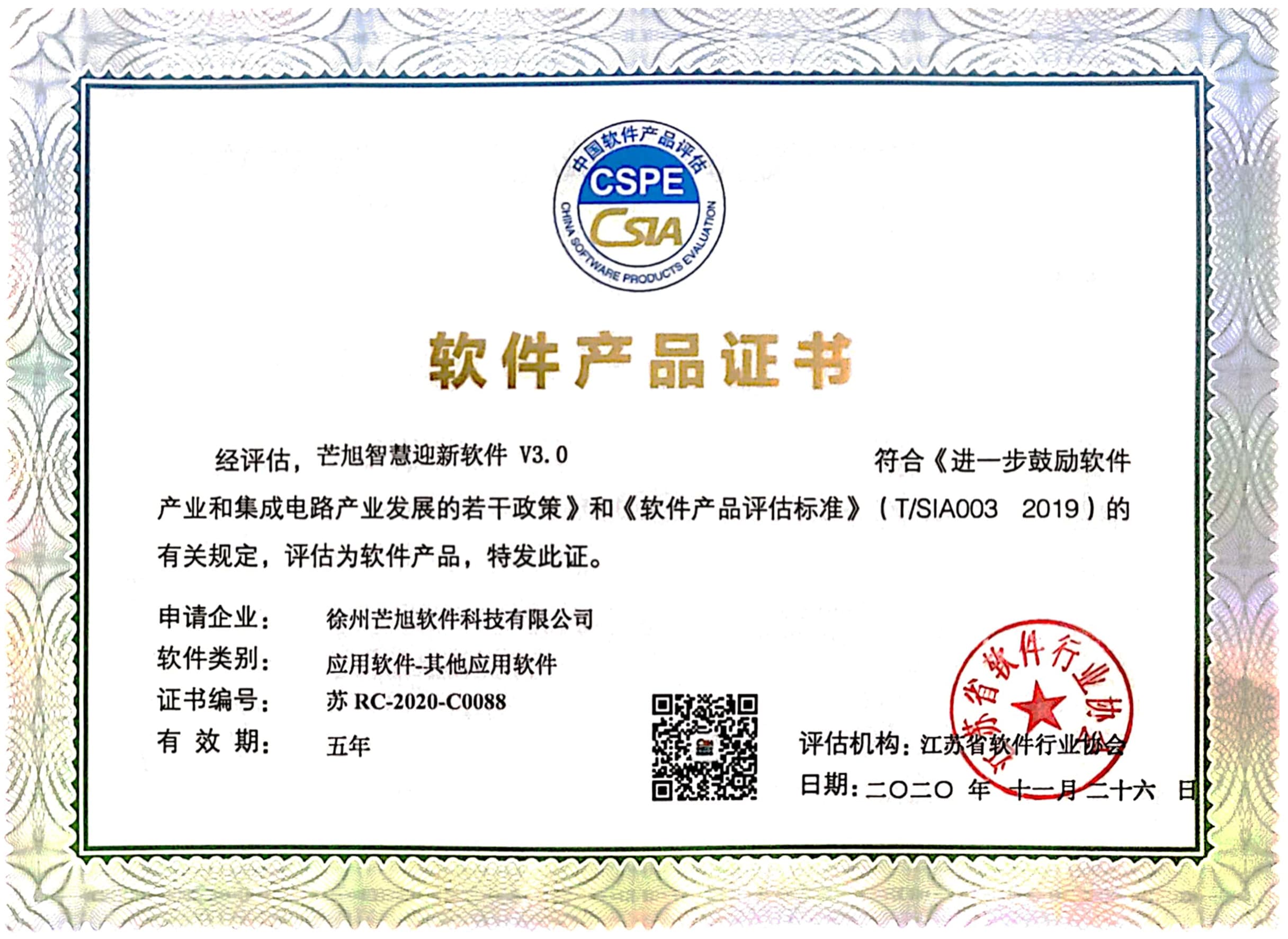
软件产品证书
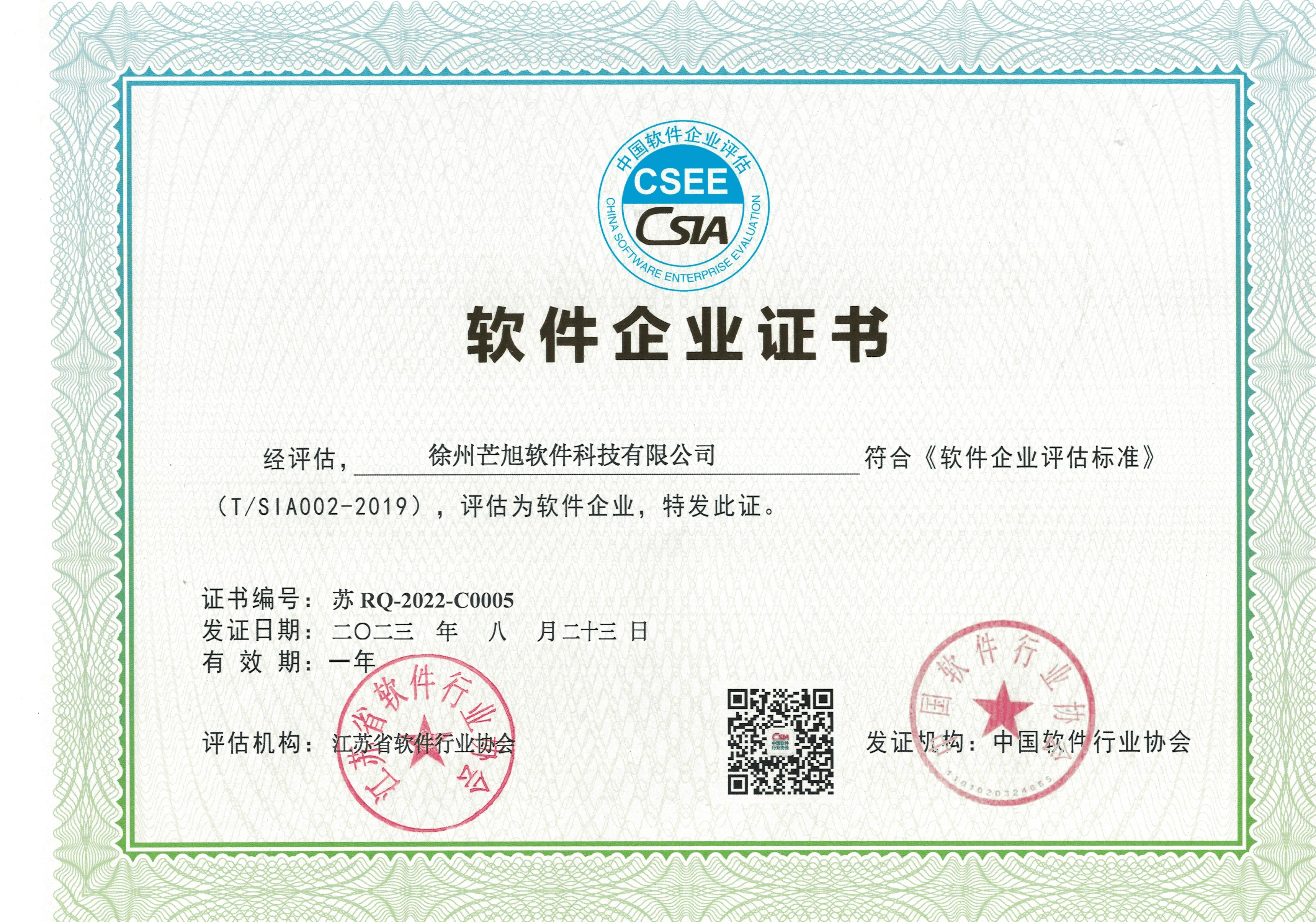
软件企业证书
The Smart Law Enforcement Assistant solution is a full-process intelligent empowerment platform for law enforcement agencies. Its core value lies in systematically addressing pain points such as low enforcement efficiency, poor standardization, and difficult collaboration through NLP, knowledge graphs, and process automation technologies. The solution includes core components such as an intelligent document generation engine, a law enforcement knowledge hub, a mobile on-site enforcement assistant, a process automation engine, and a data collaboration platform, achieving a 40% reduction in enforcement cycles, over 50% improvement in document efficiency, and 99% accuracy in legal citation. Using a phased progressive implementation approach, it has been validated in multiple city law enforcement bureaus, significantly improving enforcement effectiveness and credibility.