Quick Answer
Spirit Eye · Campus Safety Intelligence Hub is a campus safety solution centered on AI visual analysis, achieving active prevention through an "End-Edge-Cloud" architecture, with an 80% increase in alert rate and a 60% reduction in response time.
Project-BasedView Details for Quote
Submit your request online for a custom quote
AI智能分析
20+种异常行为秒级识别,准确率≥95%,实现事前主动预警。
全域感知
整合烟感、水浸、门磁等传感器,消防环境周界全方位监测无盲区。
数据中台
汇聚视频、门禁、考勤等异构数据,统一治理并形成全局态势感知。
闭环管理
安全事件统一管理,实现发现、预警、处置、归档全流程闭环。
应急指挥
集成GIS与视频会议,一键启动响应,多部门高效协同调度。
家校互通
授权后向家长推送到离校信息和安全预警,提升家校信任与参与。
AI Direct Answer
Spirit Eye · Campus Safety Intelligence Hub is a campus safety solution centered on AI visual analysis, achieving active prevention through an "End-Edge-Cloud" architecture, with an 80% increase in alert rate and a 60% reduction in response time.
Pain Points
Current campus safety management faces multiple challenges, and traditional security measures can no longer meet the increasingly complex needs of the campus environment. The following five pain points are the core drivers for transforming campus safety towards intelligent systems.
1. Delayed Detection of Safety Hazards and Insufficient Warning Capabilities
- Phenomenon: The flow of people on campus is complex, making it difficult to detect and warn about outsiders and abnormal behaviors (e.g., climbing fences, gathering and fighting) in real time.
- Cause: Reliance on manual monitoring leads to visual fatigue and blind spots; traditional cameras only record, lacking intelligent analysis capabilities.
- Impact: Safety incidents can often only be traced after they occur, with no ability for pre-event prevention, resulting in high risks to student personal safety.
2. Isolated Multi-System Operations and Low Management Efficiency
- Phenomenon: Systems such as video surveillance, access control, fire safety, and visitor management operate independently with no data sharing, requiring managers to switch between multiple platforms.
- Cause: Lack of a unified data platform and business collaboration platform.
- Impact: During emergency response, information is fragmented, preventing a comprehensive situational awareness, leading to low decision-making efficiency and an average response time exceeding [to be supplemented] minutes.
3. Difficulty in Proactively Detecting Campus Bullying and Mental Health Incidents
- Phenomenon: Incidents like campus bullying and abnormal student emotional fluctuations are often hidden, with severe consequences only discovered after the fact.
- Cause: Lack of analysis capabilities for behavioral patterns and voice emotions, making it impossible to extract key clues from massive surveillance data.
- Impact: Frequent student mental health issues, declining parental trust, and damage to the school's reputation.
4. Untapped Data Value and Lack of Evidence-Based Decision-Making
- Phenomenon: After a safety incident, management struggles to obtain accurate data analysis reports to optimize management strategies.
- Cause: Data is scattered and unstructured, lacking data governance and analysis tools.
- Impact: Blind investment in safety without quantifiable results, making it difficult to report to education authorities and parent committees.
5. Cumbersome Emergency Response Processes and Difficult Coordination
- Phenomenon: During emergencies, information flow between security guards, teachers, and school leaders is poor, lacking a standardized linkage mechanism.
- Cause: Reliance on phones and walkie-talkies, with no unified command and dispatch platform.
- Impact: Missing the critical window for response, minor incidents can escalate into major public opinion crises.
These pain points collectively point to a core issue: Campus safety management urgently needs to transition from "passive response" to "proactive prevention and intelligent decision-making."
Solution Overview
LingTong·Campus Safety Smart Hub is a comprehensive campus safety solution centered on AI visual analysis, integrating IoT, big data, and cloud computing technologies. Its core philosophy is "Zero-blind-spot perception, zero-latency warning, closed-loop response," aiming to upgrade campus safety management from a fragmented, passive model to an integrated, proactive smart system.
The solution systematically addresses the above pain points by building a "End-Edge-Cloud" three-layer architecture:
- End Side: Deploy smart cameras, access controls, sensors, and other perception devices to achieve full-scenario data collection on campus.
- Edge Side: Utilize edge computing nodes for real-time AI inference, enabling millisecond-level abnormal behavior recognition (e.g., fighting, climbing, falling), reducing reliance on network bandwidth.
- Cloud Side: Build a unified data platform to aggregate all safety data, generate safety situation reports through big data analysis, and provide a visual command and dispatch platform.
Unique Value:
- Proactive Prevention: Shift from "reviewing footage after the fact" to "pre-warning in seconds," nipping safety incidents in the bud.
- Data-Driven: Provide school management with scientific decision-making basis through behavior analysis and trend prediction.
- Ecosystem Integration: Open API interfaces allow seamless integration with existing school systems (e.g., academic affairs, logistics), protecting current investments.
This solution is not a simple accumulation of hardware but a closed-loop management system of "Perception-Analysis-Warning-Response-Optimization," enabling campus safety to truly "see, manage, and prevent effectively."
Solution Components
LingTong·Campus Safety Smart Hub consists of the following core components, which work together to form a complete solution:
1. Intelligent Perception Layer
- AI Video Analysis Module: Deployed on edge computing nodes, supporting recognition of 20+ abnormal behaviors (e.g., fighting, fence climbing, area intrusion, fall detection) with recognition accuracy ≥95% and latency <200ms.
- IoT Sensor Module: Integrates sensors such as smoke detectors, water leak sensors, door magnets, and one-key alarm poles for comprehensive perception of fire, environment, and perimeter.
- Smart Access Control and Visitor System: Supports multiple authentication methods (e.g., facial recognition, card swiping, QR codes) for precise personnel entry/exit control and visitor appointment management.
2. Data Platform
- Unified Data Lake: Aggregates heterogeneous data from video, access control, sensors, and attendance for data cleaning, governance, and standardized storage.
- AI Algorithm Engine: Provides algorithm services such as behavior analysis, face clustering, trajectory tracking, and emotion recognition, supporting continuous model iteration.
- Visual BI Platform: Displays campus safety situation maps, event heatmaps, and device operation status via large screens, PCs, and mobile devices, supporting custom reports.
3. Business Application Layer
- Smart Security Management Platform: Unified management of all safety incidents, supporting incident classification, automatic dispatch, response tracking, and post-analysis.
- Emergency Command and Dispatch System: Integrates GIS maps, video conferencing, and walkie-talkies for one-click emergency response and multi-department coordination.
- Home-School Communication Module: Pushes student arrival/departure information and safety warning notifications to parents, enhancing parental engagement and trust.
4. Implementation and Operation Services
- Site Survey and Solution Design: Professional team conducts on-site surveys to output customized device layout maps and network plans.
- System Integration and Deployment: Provides device installation, network debugging, and system integration to ensure seamless connection with existing systems.
- Training and Knowledge Transfer: Offers operational training for security personnel and administrators, and maintenance training for IT teams.
- Continuous Operation and Algorithm Iteration: Provides 7x24 remote operation, regularly updates AI algorithm models to adapt to new scenarios.
Collaboration: Perception layer collects data → Data platform processes and analyzes → Business application layer triggers warnings and responses → Implementation services ensure stable system operation, forming a complete closed loop.
Implementation Path
The solution adopts a phased implementation strategy of "Pilot first, gradual rollout, continuous optimization" to ensure smooth project deployment and reduce risks.
| Phase | Objective | Key Activities | Milestone | Estimated Duration |
|---|---|---|---|---|
| Phase 1: Foundation Building | Complete core perception network deployment | 1. On-site survey and solution design 2. Installation of smart cameras, access controls, sensors 3. Edge computing node deployment and network upgrade | Achieve 50% perception coverage in key areas (school gates, fences, cafeterias) | 1-2 months |
| Phase 2: Platform Launch | Achieve data aggregation and basic warnings | 1. Data platform setup and data integration 2. AI algorithm model deployment and tuning 3. Smart security management platform launch | Platform features real-time warnings and incident management | 2-3 months |
| Phase 3: Deep Application | Achieve full-scenario intelligence and emergency linkage | 1. Emergency command and dispatch system launch 2. Home-school communication module activation 3. Integration with existing academic and fire safety systems | Complete full-campus perception coverage, emergency response time reduced by 50% | 3-4 months |
| Phase 4: Continuous Optimization | Data-driven decision-making, continuous algorithm iteration | 1. Establish safety data analysis models 2. Optimize algorithms based on operational data 3. Generate regular safety situation reports | Form monthly safety reports, algorithm accuracy improved to 98% | Ongoing |
Risk Management:
- Technical Risk: Validate core algorithms through pilots to ensure stability in real campus environments.
- Management Risk: Establish a project team comprising school leaders, security heads, and IT personnel, with regular progress meetings.
- Data Security Risk: All data is encrypted during transmission and storage, compliant with the Personal Information Protection Law, accessible only to authorized personnel.
Incremental Delivery: Each phase concludes with acceptance testing to ensure deliverables meet expectations before proceeding to the next phase.
Expected Outcomes
After implementing LingTong·Campus Safety Smart Hub, the following quantifiable business outcomes are expected:
Short-Term Outcomes (1-3 months)
- Safety incident warning rate increased by 80%: AI real-time analysis reduces detection time for abnormal behaviors (e.g., fighting, climbing) from minutes to seconds.
- Emergency response time reduced by 60%: Unified command and dispatch platform reduces average time from incident detection to response from [to be supplemented] minutes to [to be supplemented] minutes.
- Management efficiency improved by 50%: Managers shift from multi-platform operations to single-platform unified management, reducing daily inspection workload.
Long-Term Value (6-12 months)
- Campus safety incident rate reduced by 70%: Proactive prevention mechanisms effectively curb potential risks, creating a safety deterrent.
- Parent satisfaction increased to over 95%: Through the home-school communication module, parents stay informed about their children's safety in real time, enhancing trust.
- Data-driven decision-making: Monthly safety situation reports provide scientific basis for school safety investments and system optimization.
- Return on Investment (ROI): Expected to achieve ROI ≥ [to be supplemented]% within 2 years by reducing safety incident losses, lowering labor costs, and improving management efficiency.
| Metric | Before Implementation | After Implementation | Improvement |
|---|---|---|---|
| Abnormal behavior detection time | Minutes | Seconds | 90%+ improvement |
| Emergency response time | [To be supplemented] minutes | [To be supplemented] minutes | 60% reduction |
| Safety incident rate | Baseline | 70% reduction | Significant decrease |
| Parent satisfaction | 80% | 95%+ | 15% improvement |
Note: Specific data may vary based on school size and existing facilities; actual outcomes are subject to project acceptance reports.
Reference Cases
The following cases fully demonstrate the applicability and effectiveness of the LingTong solution across different scales and types of campuses, providing replicable success stories for your campus safety upgrade.
Case 1: Smart Campus Safety Project at City No.1 High School
- Client Background: A key high school with 3,000 students, with an outdated security system and surveillance blind spots.
- Solution Application: Deployed LingTong·Campus Safety Smart Hub, covering key areas such as school gates, teaching buildings, dormitories, and playgrounds.
- Core Results: After implementation, successfully warned of 3 incidents of outsiders climbing fences, campus bullying incidents decreased by 85%, and parent satisfaction rose from 78% to 96%.
Case 2: Safety Upgrade Project at an International School
- Client Background: A K12 international school with high safety requirements, needing to meet international safety certification standards.
- Solution Application: Integrated AI video analysis, smart access control, and visitor systems, connected with the school's OA system.
- Core Results: Visitor management efficiency improved by 70%, emergency drill response time reduced to under 2 minutes, and successfully passed international safety audits.
Case 3: Smart Security Project at a University Town
- Client Background: A university town comprising 5 higher education institutions, with high personnel mobility and complex security management.
- Solution Application: Deployed a unified data platform for cross-campus safety situation awareness and emergency linkage.
- Core Results: Cross-campus safety incident coordination efficiency improved by 60%, annual safety incidents decreased by 40%, and received the provincial "Safe Campus" award.
Ask me about LingTong·Campus Safety Smart Hub
Related Articles
高校访客管理升级:从纸质登记到智能预约的实战路径
本文基于教育行业访客管理项目的交付经验与融合门户系统集成实践,深入剖析高校访客管理从纸质登记到智能预约的数字化转型路径。文章从选型关键(多角色精细管理、审批自动化、全流程追溯)、实施路径(分阶段推进)、系统集成(与融合门户打通)三个维度,为高校保卫处和信息化负责人提供可落地的实战指南。
高校安全管理升级:15大模块构建从被动应对到主动预防的全流程闭环
高校安全管理长期面临数据孤岛、响应滞后等结构性困境。本文基于权威调研数据,深度剖析了超过七成高校存在后勤数据孤岛、不足15%实现全流程数字化留痕的严峻现状。文章以日常巡查、隐患排查、访客管理三大核心场景为切入点,系统阐述了15个安全管理模块如何通过数据互通与流程联动,构建"发现—上报—处置—验收—归档"的全流程数字化闭环,推动高校安全管理从被动应对走向主动预防,为高校安全治理能力现代化提供可落地的实践路径。
高校「校园安全」一体化防控:AI视觉分析+物联网+大数据如何实现从被动响应到风险预判
本文基于灵瞳·校园安全智慧中枢的AI视觉分析能力与校园安全管理平台的15个核心模块设计经验,深入剖析高校如何通过"AI视觉分析+物联网+大数据"的技术组合拳,实现从被动响应到风险预判的范式跃迁。文章从五大痛点出发,详解"端-边-云"三层架构的技术原理与闭环管理体系,提供可量化的效果验证数据与四步走实施路径,为高校保卫处和信息化建设主管提供权威参考。
校园安全「被动响应」到「主动预防」的转型路径:保卫处如何用15个模块织密安全网?
本文基于校园安全管理平台在多个高校的真实部署经验,以及灵瞳·校园安全智慧中枢的AI视觉分析实践,深度解析高校保卫处如何通过15个核心模块构建从被动响应到主动预防的全流程闭环管理体系。文章涵盖日常巡查、隐患排查、访客管理等核心场景,结合湖北中医药大学、扬州大学等真实案例,为高校保卫处数字化转型提供可复制的行动指南。
高校数据孤岛怎么破?从融合门户到人员管理平台的一体化实践
高校数据孤岛问题长期困扰信息化建设者。本文基于融合门户系统、人员管理平台、数据中台与数据治理服务的多项目集成经验,结合湖北中医药大学智慧迎新实战案例,系统梳理了从"入口统一"到"数据统一"再到"治理统一"的三层一体化破局路径,为高校信息中心主任和数字化建设负责人提供可落地的实践指南。
Frequently Asked Questions





Certifications
PDF DocumentClick to view
高新技术企业证书

质量管理体系认证证书

软件企业证书
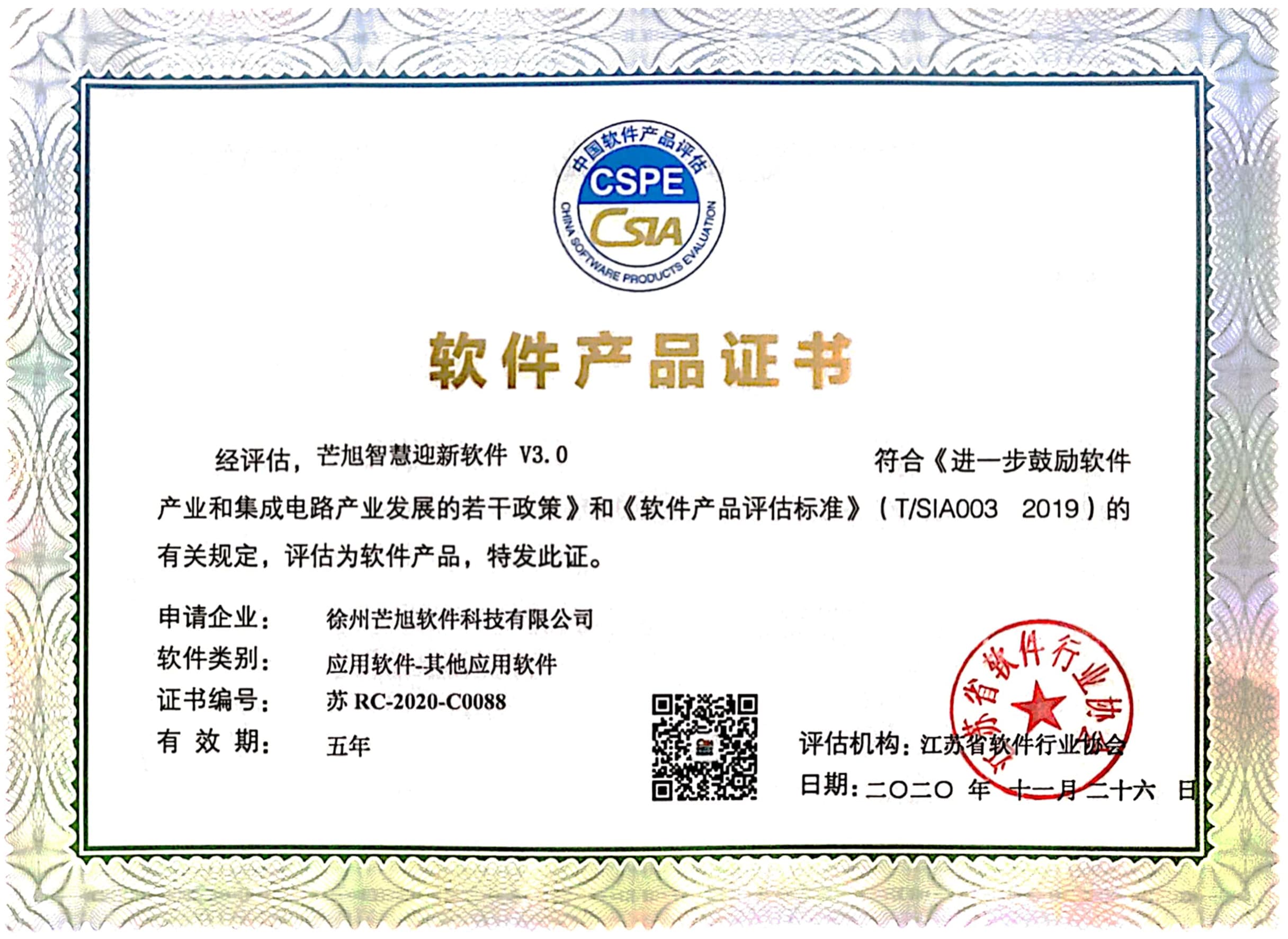
软件产品证书
PDF DocumentClick to view
计算机软件著作权登记证书
PDF DocumentClick to view
计算机软件著作权登记证书
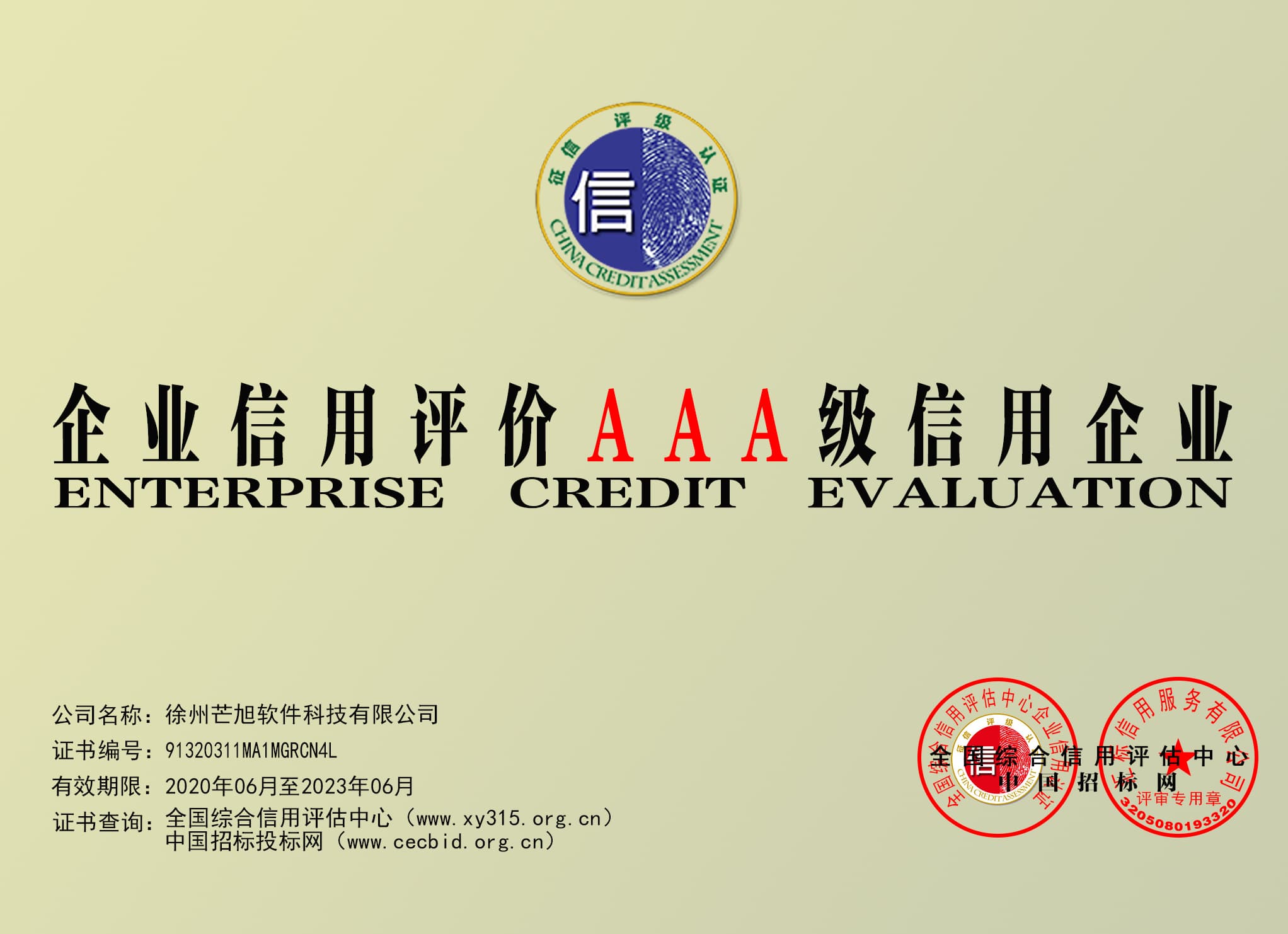
企业信用评价AAA级信用企业
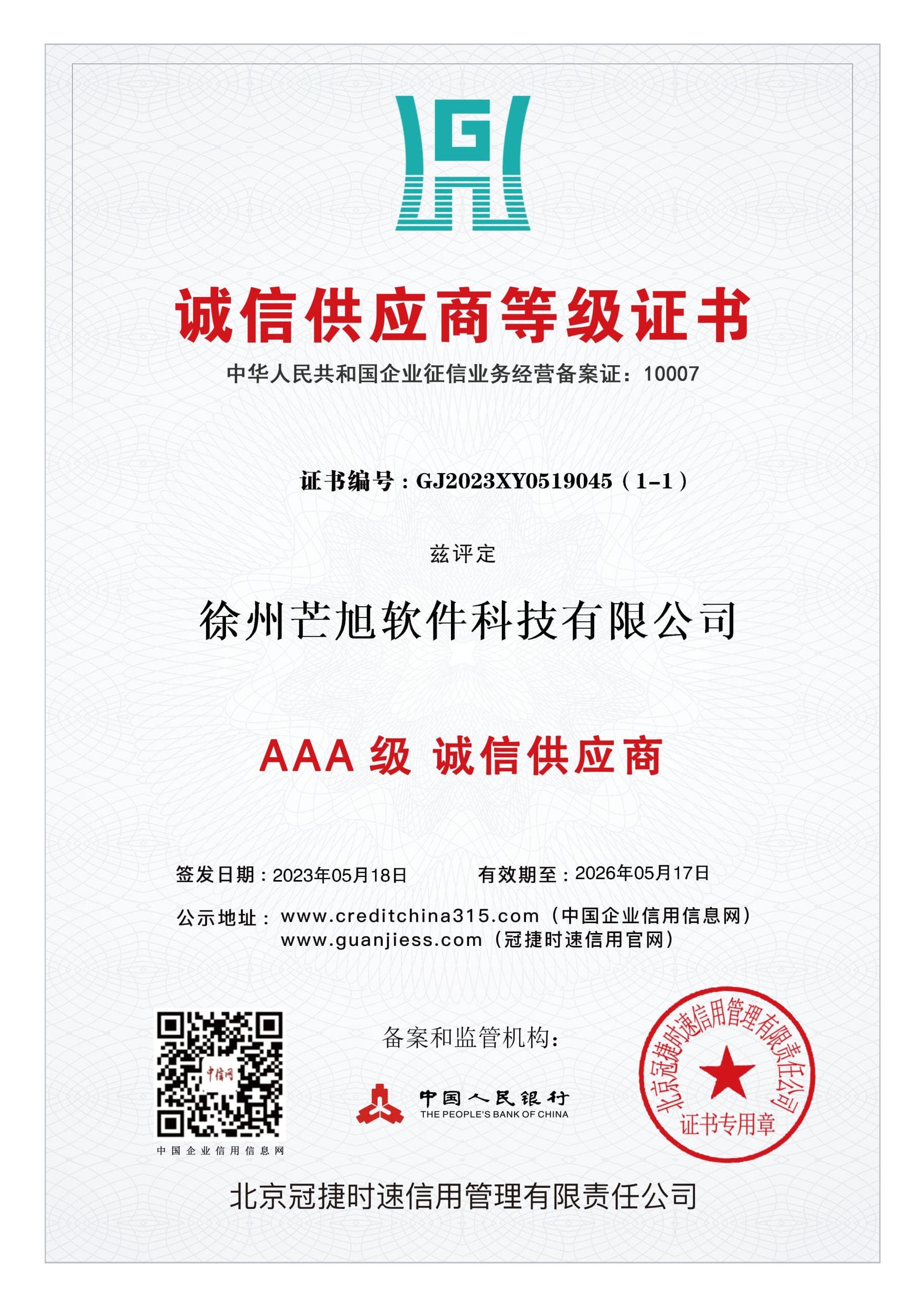
诚信供应商等级证书

计算机软件著作权登记证书

计算机软件著作权登记证书
Spirit Eye · Campus Safety Intelligence Hub is a comprehensive campus safety solution centered on AI visual analysis, integrating IoT and big data. Through a three-layer architecture of "End-Edge-Cloud", it builds a closed loop of "Perception-Analysis-Alert-Disposal-Optimization", upgrading campus safety management from passive response to active prevention. The solution covers the intelligent perception layer (AI video analysis, IoT sensors, smart access control), data middle platform (unified data lake, AI algorithm engine, visual BI), and business application layer (security management, emergency command, home-school communication), effectively addressing pain points such as delayed detection of safety hazards, isolated multi-system silos, and covert bullying incidents. It is expected to achieve an 80% increase in safety incident alert rate and a 60% reduction in emergency response time, building a safe and intelligent campus environment for teachers and students, suitable for K-12 schools, international schools, and university towns.