Quick Answer
This plan collects data through smart hardware, analyzes it on the platform to generate personalized intervention plans, with health managers guiding implementation and community operations incentivizing compliance, forming a closed loop. It is expected to reduce the overweight rate by 10%, decrease chronic disease risk, and reduce per capita medical expenditure by 500-1000 RMB.
Product
Community Chronic Disease Prevention and Control Digital Closed-Loop Plan
Providing a "hardware + service + data" closed-loop solution for street communities, achieving a 15% reduction in new chronic disease incidence and saving thousands of yuan in per capita annual medical expenditure.
Project-BasedView Details for Quote
Submit your request online for a custom quote
数据自动采集
智能体脂秤与手环自动上传体重、体脂、步数等数据,免除手动记录负担
个性干预方案
基于动态健康数据算法生成个性化周计划,将少吃多动转化为可执行方案
三端协同管理
居民端、管理端、决策端协同,支持分组、预警、任务派发与数据大屏
专业健管服务
健康管理师提供线上答疑、线下活动及高危一对一咨询,并培训社区人员
长效运营激励
积分打卡、减重挑战赛等社群玩法配合科普内容,破解高退出率难题
效果可视评估
群体趋势与干预效果核心指标可视化呈现,为优化决策与考核提供依据
AI Direct Answer
This plan collects data through smart hardware, analyzes it on the platform to generate personalized intervention plans, with health managers guiding implementation and community operations incentivizing compliance, forming a closed loop. It is expected to reduce the overweight rate by 10%, decrease chronic disease risk, and reduce per capita medical expenditure by 500-1000 RMB.
Pain Points
Current community weight management faces multiple challenges that hinder the improvement of residents' health levels and the advancement of chronic disease prevention and control efforts. The following are key issues that urgently need to be addressed:
- Weak health awareness among residents, lack of scientific guidance: Most community residents' understanding of weight management remains at a superficial level of "eat less and move more," lacking scientific comprehension of energy balance, nutritional pairing, and exercise intensity. According to statistics, over 60% of weight loss attempts fail due to improper methods, even leading to malnutrition or sports injuries.
- Fragmented community service resources, low management efficiency: In community health services, weight management often relies on sporadic free clinics, lectures, or flyers, lacking systematic and sustained intervention methods. Grassroots health workers are overloaded and unable to provide personalized tracking for each resident, resulting in uneven management outcomes.
- Severe data silos, difficulty forming a closed loop: Residents' health data (such as weight, body fat, diet, and exercise) is scattered across multiple devices and platforms, making effective integration impossible. Community managers cannot access group trends, evaluate intervention effects, or provide data support for policy-making.
- Lack of long-term incentive mechanisms, poor resident compliance: Weight management requires long-term persistence, but existing service models lack engagement and incentives. Surveys show that over 70% of participants drop out within three months of intervention, wasting upfront resource investments.
- High pressure on chronic disease prevention, urgent need for proactive intervention: Obesity is a major trigger for chronic diseases such as hypertension and diabetes. As the first line of defense in chronic disease prevention, communities urgently need a low-cost, high-coverage, and replicable weight management solution to move the health threshold forward.
Solution Overview
Solution Positioning: Build a "data-driven, service-closed-loop, community-linked" digital platform for community weight management, enabling every resident to access scientific, sustained, and engaging weight management services.
This solution centers on a digital platform, integrating four modules: smart hardware, health management services, community operations, and data analysis, forming a complete closed loop of "collection-analysis-intervention-evaluation." Smart body fat scales, wristbands, and other devices automatically collect residents' weight, body fat, activity levels, and other data. The platform uses algorithms to generate personalized diet and exercise plans. Community health managers monitor residents' progress in real-time via the backend, providing remote or in-person guidance. Meanwhile, the platform incorporates incentive mechanisms such as points, leaderboards, and community challenges to boost resident participation and compliance.
Unique Value:
- Systematic: Not a single tool or service, but a solution covering the entire chain of "monitoring-intervention-incentive-evaluation."
- Actionable: Based on the community's existing organizational structure and staffing, it provides standardized operating procedures and training to ensure rapid deployment.
- Quantifiable: All intervention effects are visualized through data, allowing community managers, residents, and higher authorities to see tangible results.
Solution Components
This solution consists of four core components that work together organically to form a complete service closed loop.
1. Smart Data Collection Terminals
- Equip the community with smart body fat scales, sports wristbands, and other devices to automatically collect residents' weight, body fat percentage, BMI, step count, sleep, and other data.
- Devices upload data to the platform in real-time via Bluetooth or 4G networks, eliminating the need for manual recording by residents and lowering the usage barrier.
2. Digital Management Platform
- Resident Side: A WeChat mini-program or app providing personal health records, daily diet/exercise recommendations, progress dashboards, community leaderboards, and more.
- Management Side: A backend system for community health managers, supporting resident group management, anomaly alerts, intervention task assignment, and data report generation.
- Decision-Making Side: A data dashboard for community managers, displaying key indicators such as group trends, intervention effects, and resource utilization efficiency.
3. Health Management Service Package
- Scientific Intervention Plans: Based on residents' baseline data (age, gender, weight, body fat) and dynamic data (diet, exercise), algorithms generate personalized weekly plans.
- Professional Guidance: Community health managers provide regular online Q&A sessions, offline group activities (e.g., walking groups, nutrition cooking classes), and one-on-one consultations (for high-risk groups).
- Training Empowerment: Provide training for community staff on weight management knowledge, platform operation, and communication skills to ensure service professionalism.
4. Community Operations and Incentive Mechanisms
- Points System: Residents earn points for daily check-ins, achieving weight goals, and participating in activities, redeemable for health gifts or services.
- Community Challenges: Organize team activities like "Weight Loss Challenges" and "10,000-Step Walks" to leverage social motivation for increased participation.
- Health Education: Push popular science articles, short videos, and live courses through the platform to continuously strengthen residents' health awareness.
Component Synergy: Smart devices collect data → platform analyzes and generates intervention plans → health managers execute guidance → operational incentives promote compliance → data feedback optimizes plans, forming a continuous iterative virtuous cycle.
Implementation Path
The solution adopts a phased, gradual deployment approach to ensure smooth implementation and continuous optimization.
| Phase | Goal | Key Activities | Milestone | Time |
|---|---|---|---|---|
| Phase 1: Foundation Building | Complete platform deployment and hardware setup | 1. Community needs assessment and solution confirmation 2. Platform installation and configuration 3. Smart device procurement and distribution 4. Community staff training | Platform goes live, first 100 residents registered | Months 1-2 |
| Phase 2: Pilot Operation | Validate solution effectiveness, optimize processes | 1. Conduct initial resident interventions (including diet and exercise guidance) 2. Launch points and community activities 3. Collect user feedback, adjust algorithms and content 4. Generate first-month operations report | Resident participation rate reaches 80%, weight target achievement rate increases by 15% | Months 3-4 |
| Phase 3: Full Rollout | Expand coverage, achieve scale effects | 1. Promote to the entire community, covering target population 2. Establish routine service mechanism for community health managers 3. Link with community health service centers, integrate into chronic disease management processes 4. Conduct quarterly effect evaluations | Covers 500+ residents, forms replicable operational SOP | Months 5-6 |
| Phase 4: Continuous Optimization | Deepen data application, achieve long-term management | 1. Optimize personalized algorithms based on 6-month data 2. Introduce AI intelligent Q&A assistant to reduce labor costs 3. Explore linkage models with medical insurance and commercial insurance 4. Output annual community health white paper | Resident long-term compliance rate exceeds 60%, chronic disease risk indicators improve | Months 7-12 |
Risk Management: Conduct reviews after each phase, adjust next-phase strategies based on data feedback; establish emergency response mechanisms to handle equipment failures, data security, and other sudden issues.
Expected Outcomes
Short-Term Outcomes (1-3 months)
- Resident Participation: First-batch resident registration rate exceeds 80%, daily active rate exceeds 60%.
- Weight Management Effect: Participating residents achieve an average weight loss of 2-3 kg, body fat percentage decreases by 1-2 percentage points.
- Health Awareness Improvement: Health knowledge questionnaire scores increase by over 20%.
Long-Term Value (6-12 months)
- Chronic Disease Risk Reduction: New cases of obesity-related chronic diseases (hypertension, diabetes) decrease by 10-15%.
- Medical Cost Savings: Due to the chronic disease prevention effects of weight management, per capita annual medical expenditure is expected to decrease by 500-1,000 yuan.
- Community Health Ecosystem: Form a new health management model of "residents actively managing, community professional services, data-driven decision-making," replicable and scalable to other communities.
Input-Output Comparison (Based on an estimated pilot community of 1,000 people):
| Indicator | Before Implementation | After Implementation (12 months) |
|---|---|---|
| Overweight/Obesity Rate | 45% | 35% |
| Resident Health Literacy Achievement Rate | 30% | 55% |
| Community Chronic Disease Management Coverage | 20% | 60% |
| Per Capita Annual Medical Expenditure (yuan) | 3,000 | 2,500 |
Note: The above data is estimated based on industry benchmarks and similar project experiences; specific results may vary depending on the actual community situation.
Reference Cases
Case 1: "Healthy Community" Weight Management Project in a City
- Client Background: The Municipal Health Commission collaborated with 3 pilot communities, covering approximately 5,000 residents, with an overweight/obesity rate as high as 48%.
- Solution Application: Deployed smart body fat scales and sports wristbands, built a community health management platform, and assigned 5 health managers.
- Core Results: After 6 months, participating residents achieved an average weight loss of 3.5 kg and a body fat percentage decrease of 2.8%; community chronic disease outpatient visits decreased by 12%.
Case 2: Employee Health Management Program at a Large Enterprise
- Client Background: A tech company with approximately 2,000 employees faced prominent obesity issues due to prolonged sitting and high stress, with an employee physical examination abnormality rate exceeding 60%.
- Solution Application: Customized enterprise version weight management platform, combining online courses, offline fitness activities, and nutritious meal delivery.
- Core Results: After 12 months, employee BMI achievement rate increased by 25%, and corporate medical insurance expenditure decreased by 8%.
Case 3: "Smart Elderly Care" Weight Management Sub-Project in a District
- Client Background: The District Civil Affairs Bureau targeted residents aged 60 and above, where weight management needs were highly correlated with chronic disease management.
- Solution Application: Simplified platform focusing on monitoring weight and blood pressure, combined with community day care centers for dietary guidance.
- Core Results: Participating elderly residents' weight control achievement rate increased by 30%, and fall risk decreased by 15%.
Note: The above cases are compiled based on industry public materials and project experiences; specific data has been anonymized.
Ask me about Community Weight Management Digital Platform Cooperation Plan
Related Articles
商业地产「非租金收入」从0到1:享空间积分系统落地的三个关键决策与效果复盘
商业地产「非租金收入」从0到1:享空间积分系统落地的三个关键决策与效果复盘
社区体重管理数字化:为什么「智能硬件+App」的模式很难持续?——一个基于社区运营视角的实战复盘
本文基于社区体重管理数字化平台合作方案的真实设计经验,深度复盘了"智能硬件+App"模式在社区健康管理中的局限性。文章指出,单纯的硬件+App模式因缺乏服务闭环和运营机制,导致数据孤岛和居民依从性差(超70%参与者3个月内退出)。真正可持续的模式需要智能硬件、数字化平台、健康管理服务和社区运营四大组件协同运作,形成"采集-分析-干预-评估"的完整闭环。文章提供了详实的数据支撑和分阶段实施路径,为社区卫生管理者和健康管理机构提供了可落地的实践建议。
商业地产「租客增值服务」从「空谈」到「增收」:积分体系与数据洞察的落地路径
商业地产「租客增值服务」从「空谈」到「增收」:积分体系与数据洞察的落地路径
从"经验驱动"到"数据驱动":企业决策辅助系统落地的三个关键阶段
本文基于决策辅助与智能分析业务线的全栈能力体系,结合服务金融、零售、制造等行业客户的真实项目经验,提出企业从"经验驱动"迈向"数据驱动"的三个关键阶段:筑基(数据可信)、洞察(决策可见)、闭环(决策自动)。文章详细阐述了每个阶段的核心交付物、可量化指标和实施路径,并提供了农行徐州分行智慧校园等真实案例的量化成果,为企业数字化转型决策者提供可操作的方法论指导。
从「数据报表」到「决策洞察」:企业数据分析项目为何总是「做完了没人用」?
从「数据报表」到「决策洞察」:企业数据分析项目为何总是「做完了没人用」?
Frequently Asked Questions





Certifications

计算机软件著作权登记证书

计算机软件著作权登记证书
PDF DocumentClick to view
高新技术企业证书

质量管理体系认证证书

软件企业证书
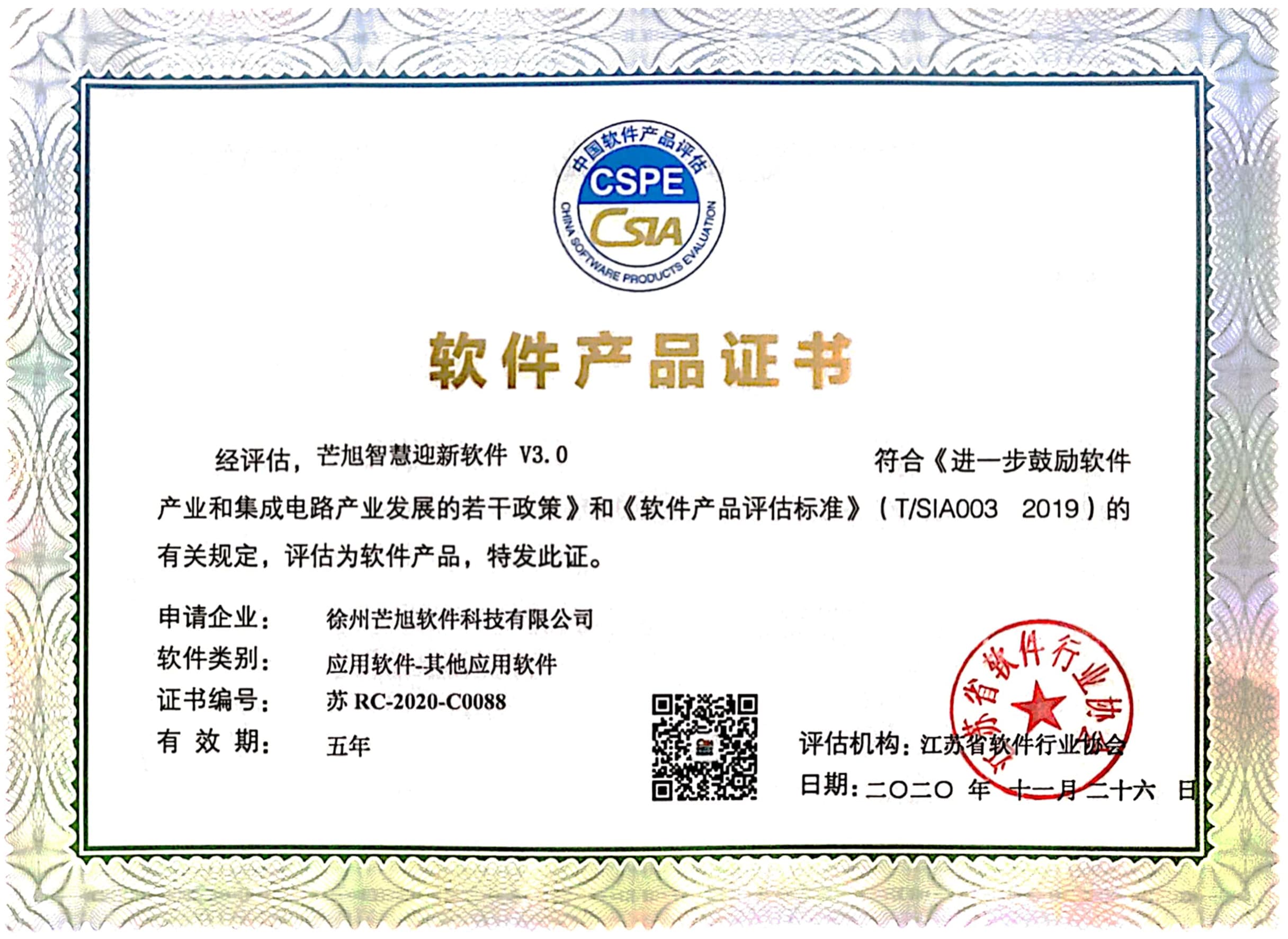
软件产品证书

企业信用评价AAA级信用企业

质量、服务诚信单位证书
This solution provides a data-driven digital solution for community weight management, with core value in being systematic, implementable, and quantifiable. By integrating smart body fat scales, wristbands and other hardware, a digital management platform (resident side, management side, decision-making side), health management service packages (personalized intervention, professional guidance), and community operation incentive mechanisms (points, community challenges), it forms a "collection-analysis-intervention-evaluation" closed loop. The solution is implemented in four phases (infrastructure building, pilot operation, full promotion, continuous optimization). It is expected to reduce the overweight/obesity rate by 10%, decrease chronic disease risk, and reduce per capita medical expenditure by 500-1000 RMB. The differentiators are: covering the entire chain rather than a single tool, rapid deployment based on existing community infrastructure, and all effects presented through data visualization. Applicable to community health management, chronic disease prevention, public health services and other fields.