Quick Answer
元火食品数字化生态智能体系是一套面向食品制造企业的全链路数字化转型方案,通过数据中台打通供应链、渠道、消费者与追溯四大领域,实现智能决策与生态协同,预计18个月ROI达3:1。
Key Takeaways
- With the data platform at the core, connect the four major areas of supply chain, channels, consumers, and traceability, eliminating information silos
- Six core components build a closed loop of 'collection-analysis-decision-execution,' covering intelligent replenishment, terminal empowerment, precision marketing, and blockchain traceability
- Clear quantified results: within 12 months, inventory turnover increases 20%, channel cost ratio drops to 10%, and traceability response shortens to within 30 minutes
- Three-phase step-by-step implementation with controllable risk, achieving a 3:1 return on investment (ROI) within 18 months
- Empower distributors and terminal stores to build a mutually beneficial food digital ecosystem
Subscription
¥30,000/yr
数据中台
整合多源异构数据,建立统一标准与计算能力,消除信息孤岛,提供实时可信数据底座。
智能供应链
覆盖全流程协同,通过需求预测优化库存与排产,降低库存成本15%-20%,周转率提升20%。
渠道赋能
提供经销商和终端移动工具,实现订单、库存、促销、核销全在线,渠道费用占比降至10%。
消费者运营
构建统一会员体系,整合线上线下触点,精准营销提升复购率25%,客户生命周期价值增长40%。
区块链溯源
基于区块链记录全链路信息,消费者扫码可查、监管可调取,追溯响应缩短至30分钟内。
决策仪表盘
面向管理层提供定制化BI看板,支持钻取分析与预警,经营分析周期从周级缩短至小时级。
AI Direct Answer
元火食品数字化生态智能体系是一套面向食品制造企业的全链路数字化转型方案,通过数据中台打通供应链、渠道、消费者与追溯四大领域,实现智能决策与生态协同,预计18个月ROI达3:1。
Yuanhuo · Food · Digital Ecosystem Intelligent System
Product Overview
Facing the common pain points of traditional food manufacturing enterprises such as low supply chain efficiency, extensive channel management, lack of consumer insight, and slow traceability response, this solution proposes a full-chain digital transformation ecosystem strategy with "data-driven, ecosystem collaboration" at its core.
The solution uses a unified data platform to connect the four core areas of supply chain, channels, consumers, and traceability, building a four-layer architecture from the infrastructure layer (cloud platform + IoT) to the decision support layer (BI + AI), with six core components operating collaboratively to form a closed-loop intelligent management system of "collection-analysis-decision-execution."
The unique value of the solution is reflected in three aspects:
- End-to-end full-chain data connectivity: Eliminate information silos and create a unified view of supply chain, channel, consumer, and traceability data.
- Decision cycle shortened from weekly to hourly: Drive business analysis and execution with real-time data.
- Empower distributors and terminals to build a win-win ecosystem: Shift from control to collaboration, amplifying overall channel effectiveness.
It is expected to achieve a 20% increase in inventory turnover, a 5-percentage-point reduction in channel cost ratio, and traceability response time shortened to minutes within 12 months, and achieve a 3:1 return on investment (ROI) within 18 months. It is a systematic solution for digital transformation of traditional food enterprises.
Core Functions
The solution is composed of six core components working together, covering full-chain capabilities from data foundation to business applications:
-
Data Platform: Integrate heterogeneous data sources such as ERP, WMS, TMS, CRM, and IoT devices, establish unified data standards and computing capabilities, eliminate cross-system information silos, and provide a real-time, reliable data foundation for upper-layer applications.
-
Supply Chain Collaboration Platform: Cover the entire process of procurement, production, inventory, and logistics. Optimize inventory levels through demand forecasting models, enable intelligent replenishment and production scheduling, reduce inventory costs by 15%-20%, and increase inventory turnover by 20%.
-
Channel Digital Management Platform: Provide mobile tools for distributors and terminal stores to digitalize order management, inventory inquiry, promotion execution, and expense reimbursement. The headquarters can monitor terminal sell-through data in real time, reducing the channel cost ratio from 15% to 10%.
-
Consumer Operation Platform: Build a unified membership system, integrate online and offline touchpoint data, support precision marketing, points mall, and community operations, increasing repurchase rate by 25% and customer lifetime value by 40%.
-
Food Safety Traceability System: Record full-chain information from raw material batches to logistics distribution based on blockchain technology. Consumers can scan to check, and government regulators can retrieve data in real time, reducing traceability response time from 3-5 days to within 30 minutes.
-
Business Decision Dashboard: Provide customized BI dashboards for management, covering key indicators such as sales, inventory, cost, and quality, supporting drill-down analysis and alert push, shortening the monthly business analysis cycle from over a week to hourly.
Technical Parameters
Expected Performance Indicators
The table below summarizes the baseline, target, and improvement for the solution's key indicators. For indicators without a baseline, a benchmark will be established through data assessment during the implementation initialization phase.
| Indicator | Baseline | After Implementation | Improvement |
|---|---|---|---|
| Inventory turnover rate | — | — | +20% |
| Order processing efficiency | — | — | +30% |
| Inventory accuracy | — | ≥95% | — |
| Channel cost ratio | 15%+ | 10% | Down 5 percentage points |
| Traceability response time | 3-5 days | Within 30 minutes | From weekly to minutes |
| Member repurchase rate | Below industry average | — | +25% |
| Forecast accuracy | — | 85% | — |
| Return on investment (ROI) | — | 3:1 | Achieved within 18 months |
Technical Architecture
The solution adopts a layered architecture design, forming clear responsibilities from top to bottom:
- Infrastructure Layer: Cloud platform + Internet of Things (IoT) devices, providing data collection capabilities.
- Data Platform Layer: Multi-source data fusion, data governance, unified standards, and computing capabilities.
- Business Application Layer: Scenario-based applications such as supply chain collaboration, channel management, membership operations, and quality traceability.
- Decision Support Layer: BI visual analytics + AI algorithm models, delivering business insights and forecasts.
Implementation Timeline
To control transformation risk and achieve rapid results, the solution adopts a phased delivery strategy, with clear key milestones for each phase:
| Phase | Duration | Key Milestones |
|---|---|---|
| Phase 1: Foundation Building | 1-3 months | Data platform launched, inventory accuracy ≥95% |
| Phase 2: Channel and Consumer Enablement | 4-6 months | Channel data online rate ≥80%, member growth 30% |
| Phase 3: Intelligent Decision-Making and Ecosystem Expansion | 7-12 months | Forecast accuracy ≥85%, traceability coverage 100% |
Note: Specific hardware configuration, system throughput, and other parameters to be supplemented.
Application Scenarios
This solution can cover multiple typical business scenarios in the digital transformation of food manufacturing enterprises:
Supply Chain Transparency and Intelligent Replenishment
A certain food enterprise's raw material procurement, production, and warehousing data are scattered across multiple systems, with inventory buildup and stockouts coexisting. By deploying the data platform and supply chain collaboration platform, full-process data connectivity is achieved, and demand forecasting models automatically generate replenishment and production scheduling recommendations, effectively resolving inventory structure imbalances.
Channel Digitalization and Terminal Empowerment
Under the traditional distribution system, the headquarters cannot grasp real sell-through at terminal stores, and the promotion expense reimbursement cycle is long. Through the channel digital management platform, distributors and stores use mobile tools to complete the entire process of orders, inventory, promotions, and expense reimbursement online. The headquarters gains real-time access to channel data, greatly improving expense reimbursement efficiency.
Precision Consumer Operation and Member Growth
The lack of a unified membership system makes it impossible to measure marketing ROI. By integrating online and offline touchpoints through the consumer operation platform, a unified membership system is built, enabling precision marketing and community operations, increasing repurchase rate and customer lifetime value, and building a brand's private traffic pool.
Full-Chain Food Safety Traceability
Facing quality complaints, traceability investigation takes 3-5 days. The blockchain-based food safety traceability system covers the entire chain from raw material batches, production and processing, quality inspection reports, to logistics distribution. Consumers can scan to view, achieving minute-level traceability response and greatly enhancing brand trust.
Accelerated Management Decision-Making
Monthly business analysis reports require manual aggregation of cross-department data, taking over a week. The business decision dashboard aggregates key indicators such as sales, inventory, cost, and quality in real time, supports drill-down analysis and anomaly alerts, shortening the decision cycle from weekly to hourly.
Competitive Advantages
-
End-to-end full-chain integration: Unlike single-point system construction, the solution achieves full-chain data connectivity from raw materials to consumers, eliminating information blind spots and systematically solving the collaboration issues in the four core areas of supply chain, channels, consumers, and traceability.
-
Clear quantified results: The solution presets clear quantitative goals and phased milestones—20% increase in inventory turnover, 5-percentage-point reduction in channel cost ratio, traceability response shortened to minutes, and 3:1 ROI within 18 months—making it easy for enterprises to evaluate input-output.
-
Phased implementation with controllable risk: Adopts a three-phase strategy of "urgent needs first, step-by-step iteration." Each phase ends with performance evaluation and review, adjusting priorities based on actual data to ensure rapid results and control transformation risk.
-
Leading blockchain traceability technology: Uses blockchain technology in the food safety traceability process to achieve tamper-proof full-chain information recording, addressing consumer inquiries, government regulation, and internal quality management requirements, with significant technical advantages over traditional traceability systems.
-
Ecosystem win-win model: The solution not only empowers headquarters management but also empowers distributors and terminal stores through mobile tools, building a digitally shared-benefit ecosystem rather than a mere control tool, making it easier to gain channel partners' cooperation and promotion.
Target Customers
-
Target enterprise profile: Traditional food manufacturing enterprises with annual revenue ranging from hundreds of millions to billions of yuan, at a critical stage of digital transformation, facing common challenges such as low supply chain efficiency, extensive channel management, and lack of consumer insight, with a certain level of IT foundation (already deployed ERP, WMS, TMS, etc.) and a budget for digital investment.
-
Applicable sub-industries: Sub-sectors of food manufacturing such as snack foods, dairy products, meat products, baked goods, and condiments, especially enterprises with many product categories, complex channel systems, and high requirements for food safety traceability.
-
Key decision-making roles: CEO/General Manager (focusing on transformation strategy and ROI), CIO/CTO (focusing on technical architecture and system integration), COO/Supply Chain Director (focusing on operational efficiency improvement), CMO/Sales Director (focusing on channel and consumer operations), Quality and Safety Lead (focusing on traceability compliance).
-
Reference cases of similar enterprises: Several similar enterprises have achieved remarkable results through this solution—a well-known snack food enterprise increased inventory turnover by 25% and saved over 20 million yuan in annual costs; a regional dairy enterprise increased terminal store coverage by 60%; a large meat product enterprise achieved a consumer scan-and-query rate of over 70% and a 50% reduction in quality complaint rate.
Ask me about 元火 · ⻝品·数字化⽣态智能体系
Related Articles
高校数据孤岛怎么破?从融合门户到人员管理平台的一体化实践
高校数据孤岛问题长期困扰信息化建设者。本文基于融合门户系统、人员管理平台、数据中台与数据治理服务的多项目集成经验,结合湖北中医药大学智慧迎新实战案例,系统梳理了从"入口统一"到"数据统一"再到"治理统一"的三层一体化破局路径,为高校信息中心主任和数字化建设负责人提供可落地的实践指南。
从零搭建食品企业数据中台:孔妈妈食品数字化生态战略的实践复盘
从零搭建食品企业数据中台:孔妈妈食品数字化生态战略的实践复盘
「元火」企业AI进化平台落地复盘:制药企业从「数据孤岛」到「全域智能」需要跨过几道坎?
本文基于「元火深度赋能」方案架构设计与多个制药企业AI转型项目交付实践,系统复盘了制药企业从数据孤岛走向全域智能的真实落地路径。文章深入剖析了制药企业面临的五大核心痛点——数据孤岛、服务响应慢、合规风险高、营销转化不清晰、知识资产流失,提出了「数据融合+AI驱动+流程再造」三位一体的解决方案,并给出了三阶段渐进式交付路线图,预计12个月内实现ROI超过200%。
企业「数字基座」选型指南:低代码平台与AI原生架构如何选?——基于明台数字基座与元火平台的实战对比
本文基于明台数字基建生态系统与元火·九脉·数字进化两大平台的真实产品数据,从技术架构、核心能力、适用场景三个维度进行深度对比,为企业CIO/CTO提供一套可落地的数字基座选型决策框架。文章分析了低代码平台与AI原生架构的差异化定位,提出了基于企业数字化成熟度、核心诉求、技术偏好和行业特性的四维选型方法论。
高校数据治理的五个常见陷阱与应对策略——基于真实项目的复盘
本文基于德州职业技术学院、桂林医学院等高校数据治理项目的真实实践,系统复盘了高校在数据中台与数据治理项目中常见的五个陷阱:将数据治理等同于上系统、忽视数据标准建设、重建设轻运营、忽视业务部门参与、定制功能质量失控。针对每个陷阱,结合真实案例和可量化的服务承诺,提供了经过验证的应对策略,并提出了高校数据治理的"三步走"路线图,为高校信息化管理者提供务实参考。
Frequently Asked Questions


Certifications
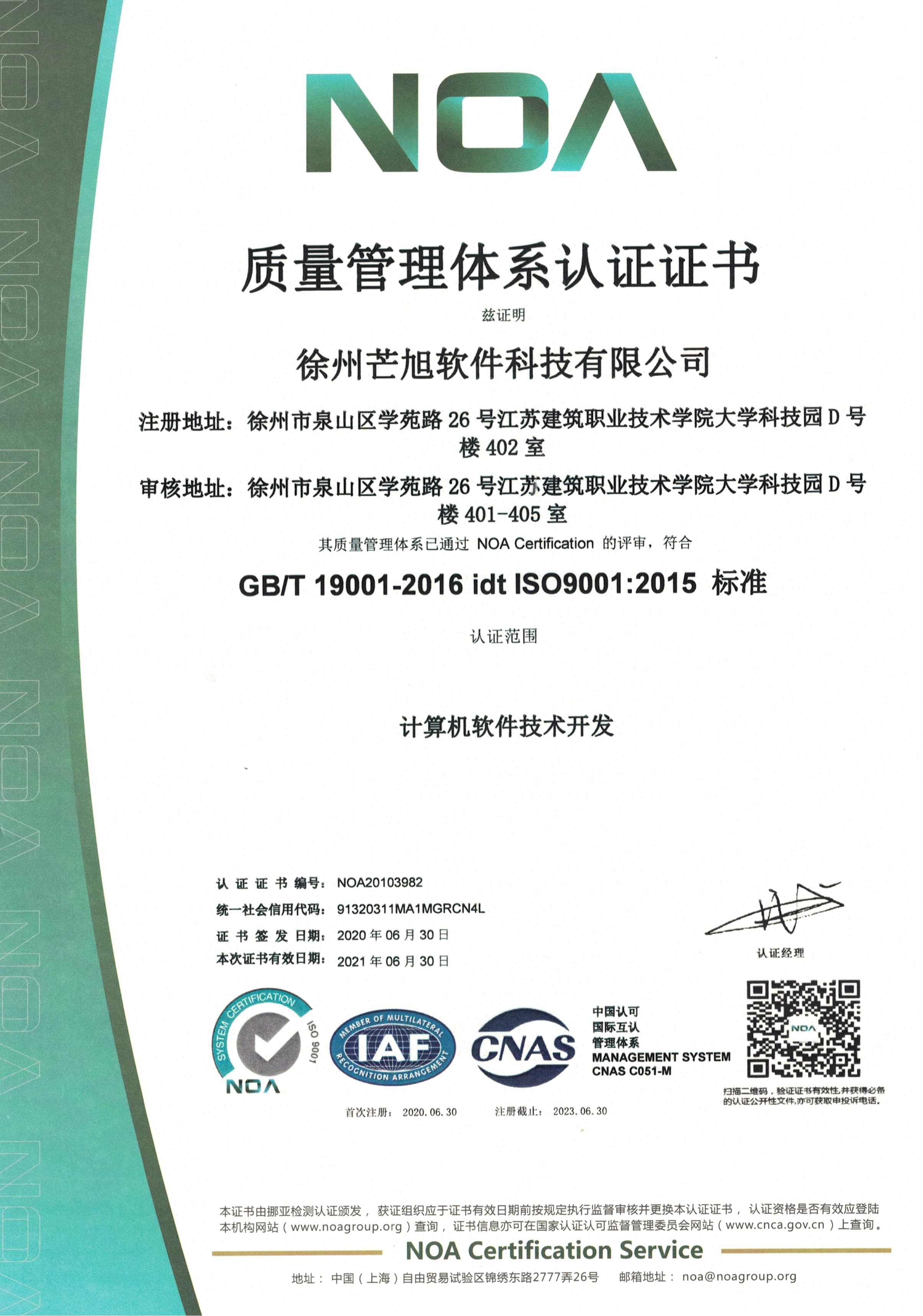
质量管理体系认证证书
质量管理体系认证证书
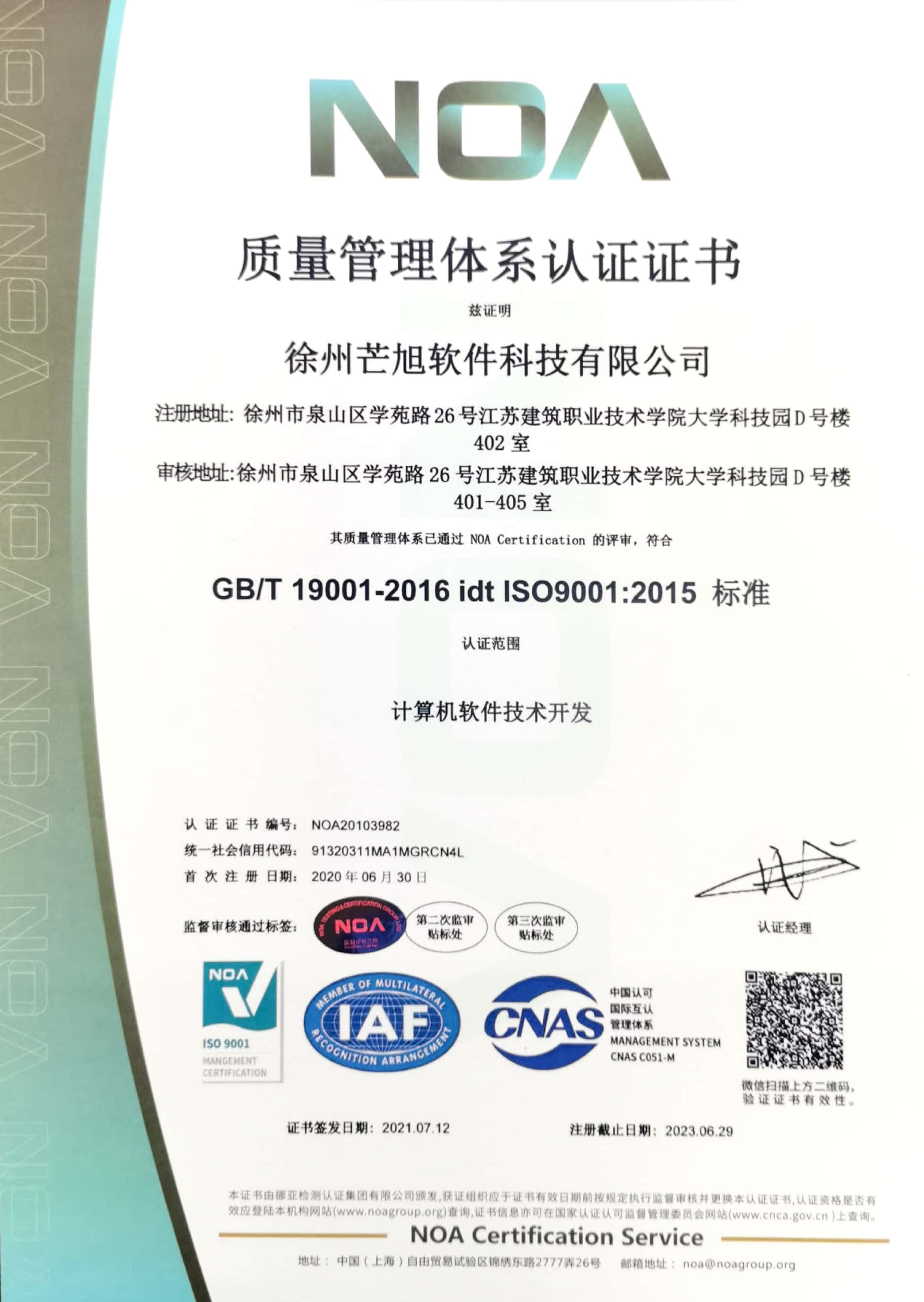
质量管理体系认证证书
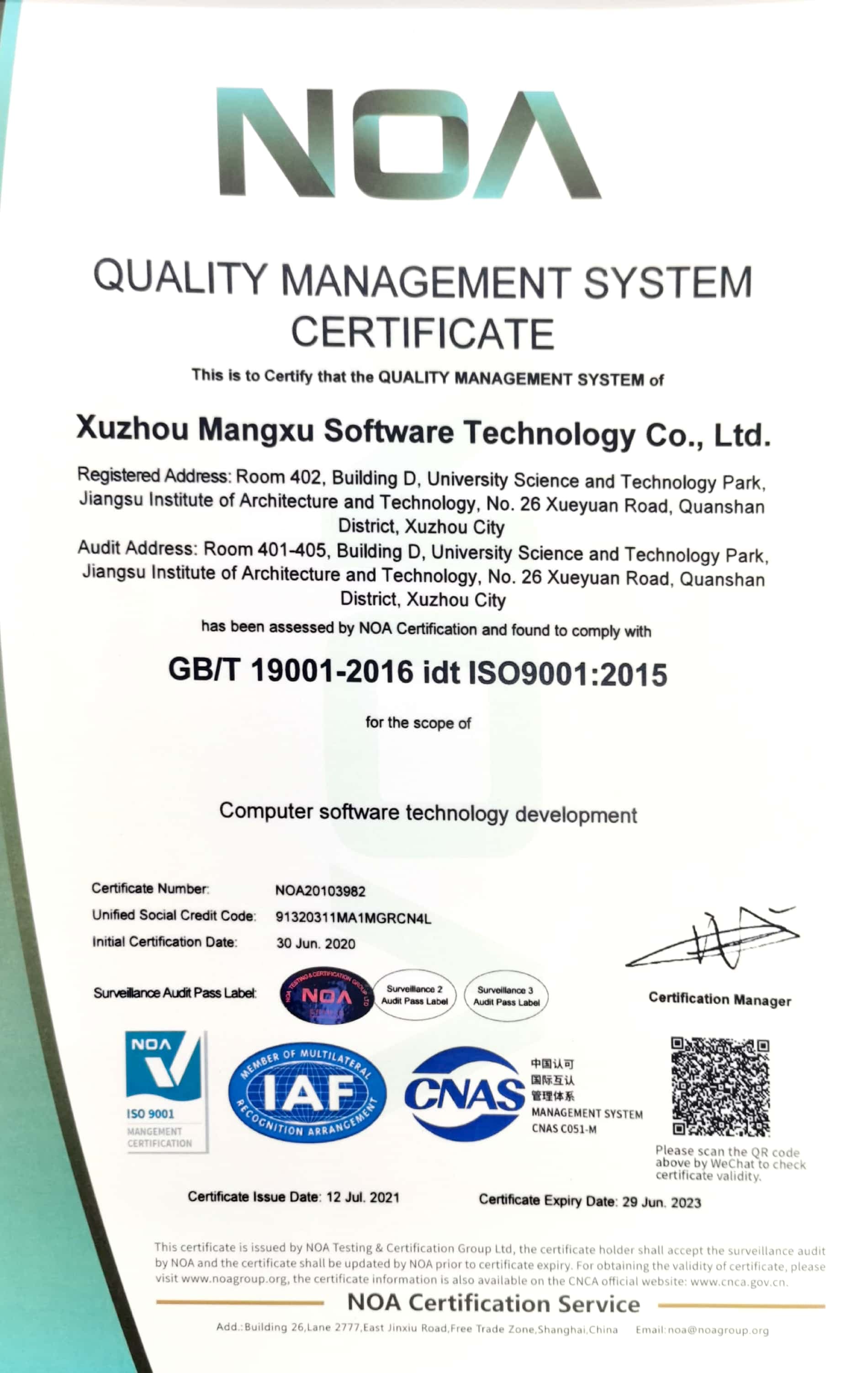
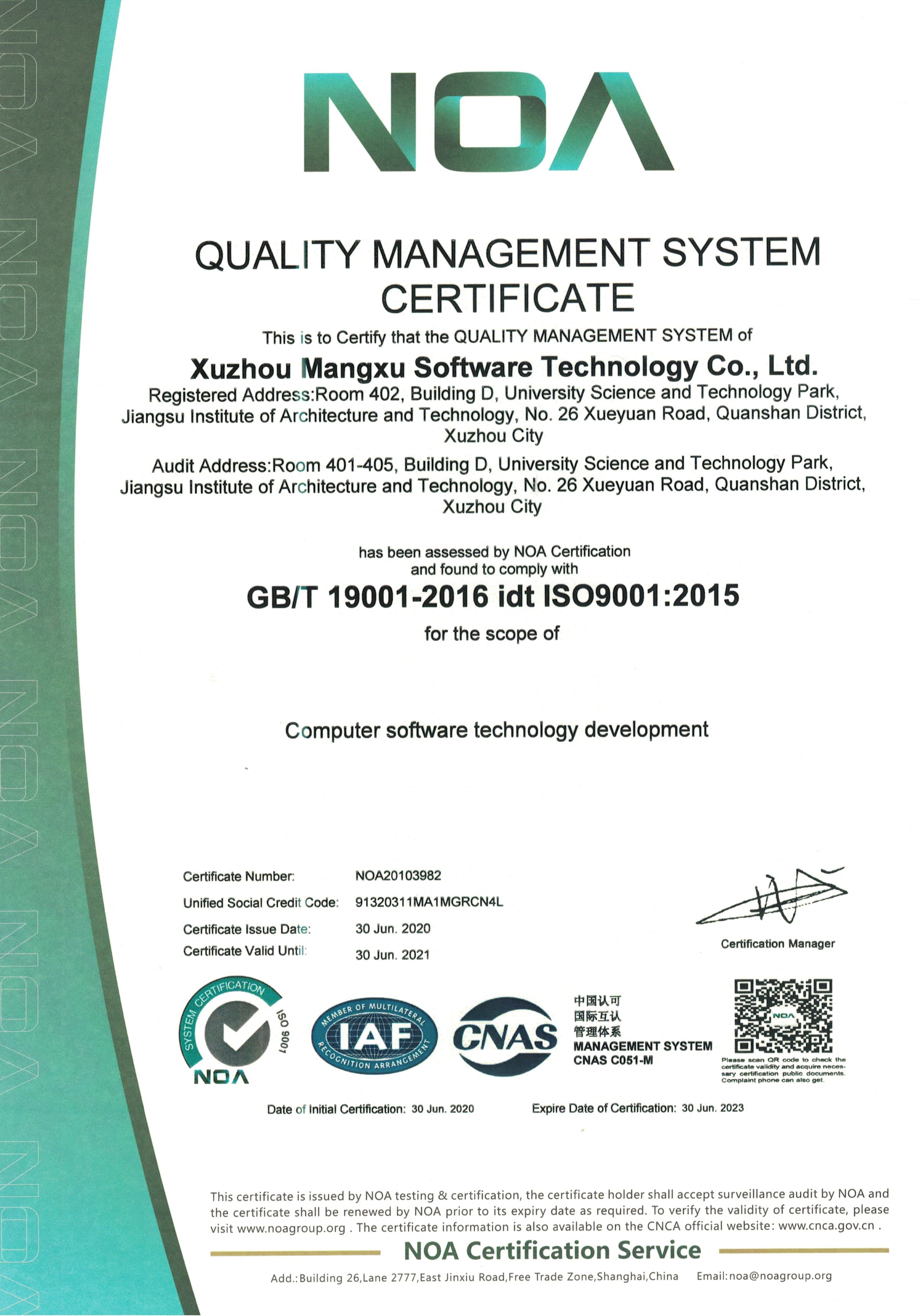
QUALITY MANAGEMENT SYSTEM CERTIFICATE
PDF DocumentClick to view
质量管理体系认证证书
PDF DocumentClick to view
质量管理体系认证证书
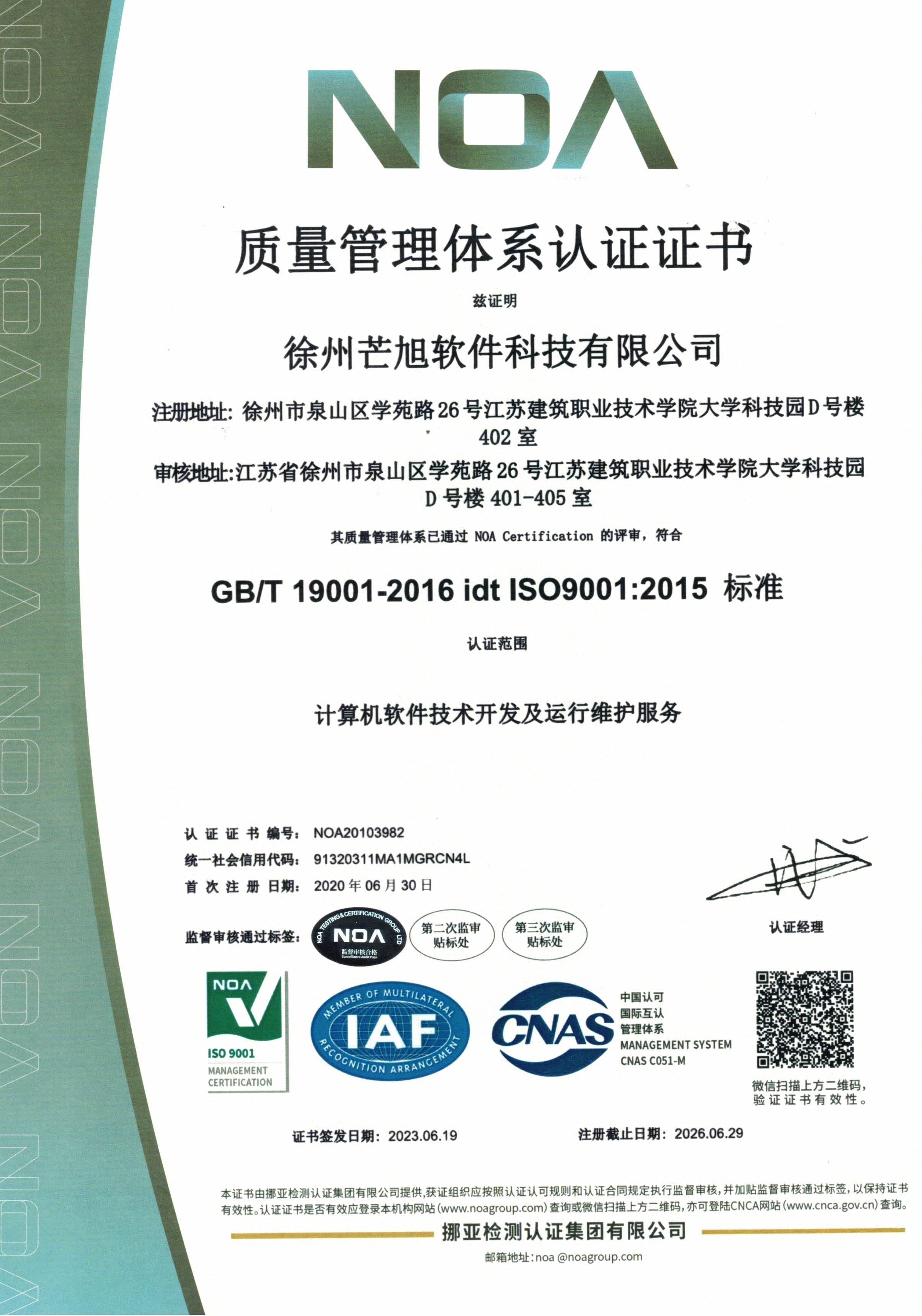
质量管理体系认证证书
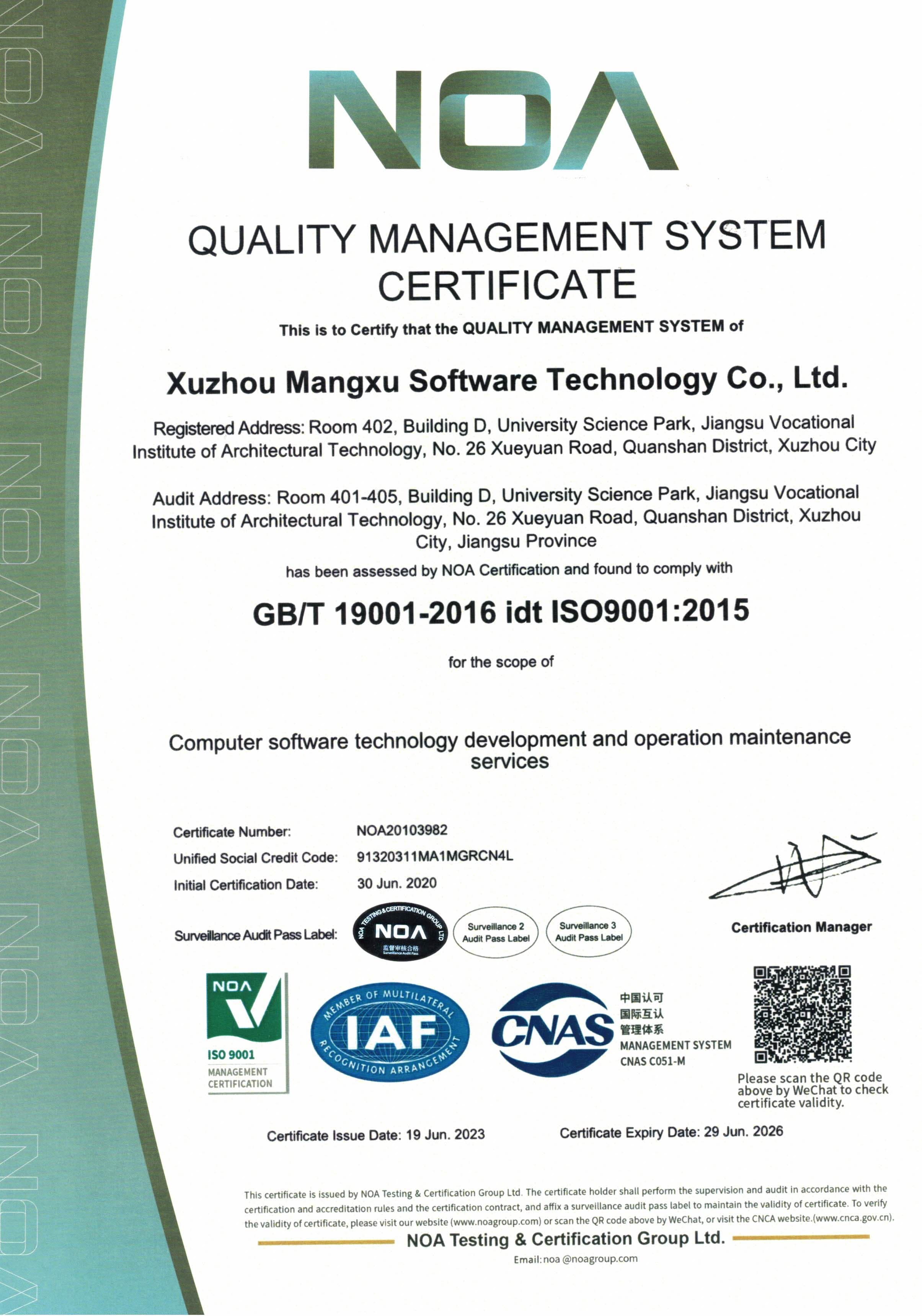
QUALITY MANAGEMENT SYSTEM CERTIFICATE
PDF DocumentClick to view
高新技术企业证书
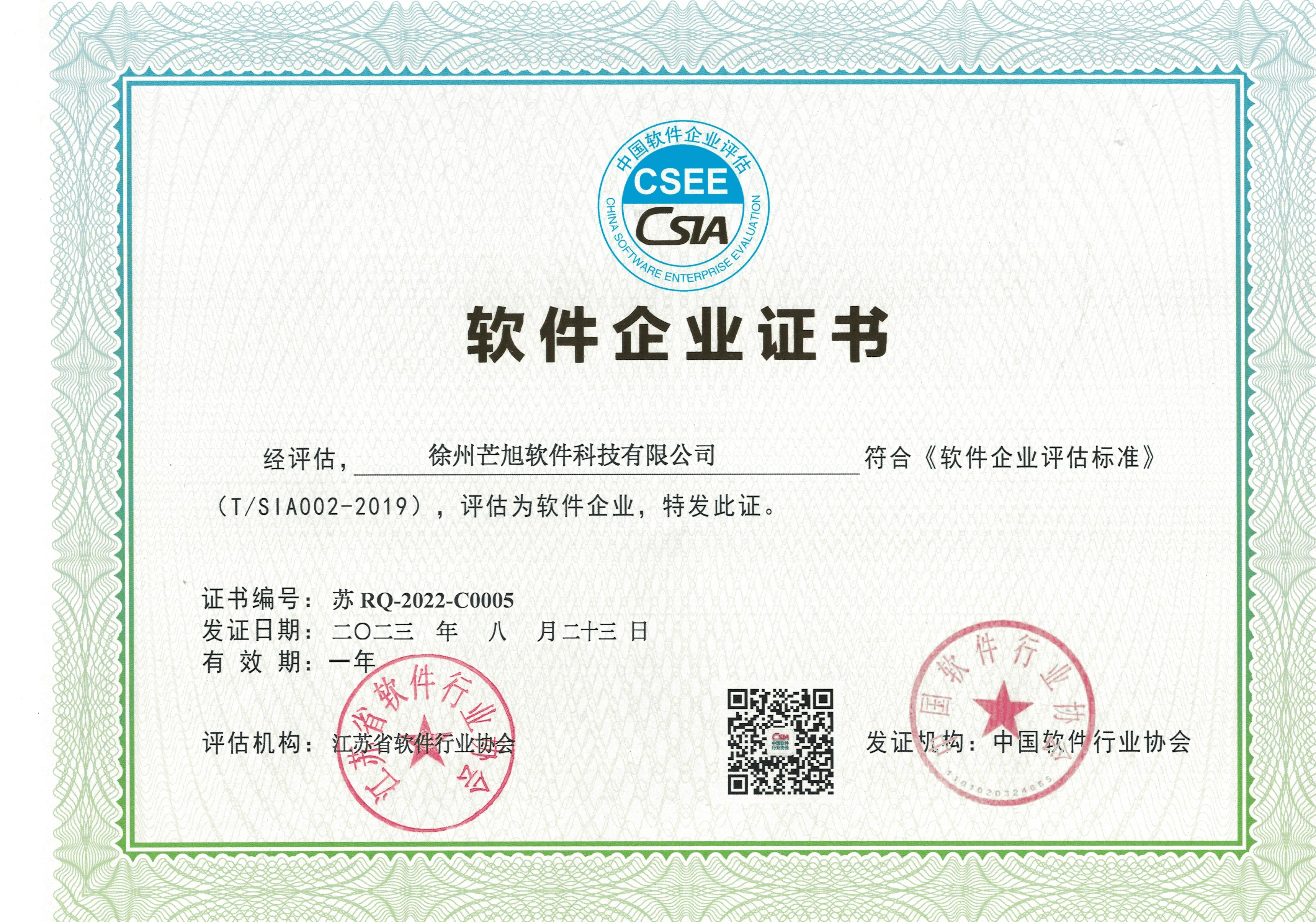
软件企业证书
FAQ
元火食品数字化生态智能体系是面向传统食品制造企业的全链路数字化转型方案。核心价值在于通过统一数据中台打通供应链、渠道、消费者与追溯四大领域,构建'采集-分析-决策-执行'的闭环管理体系。方案包含数据中台、供应链协同、渠道数字化、消费者运营、区块链追溯及经营决策仪表盘六大组件,消除信息孤岛,实现智能补货、终端赋能、精准营销与分钟级溯源。差异化优势包括:端到端全链路数据贯通、决策周期从周级缩短至小时级、量化成效明确(库存周转率提升20%、渠道费用占比降至10%、18个月ROI达3:1),以及赋能经销商与终端门店的生态共赢模式。适用对象为具备信息化基础、处于数字化转型关键期的食品制造企业。