Quick Answer
This solution centers on "subscription", using the C2M produce-to-order model to systematically address pain points such as inventory backlog, capital turnover, difficulty in user acquisition, and slow supply chain response in the food industry, integrating marketing acquisition, transaction conversion, member operations, supply chain collaboration, and data analysis.
Product
Food Industry Produce-Based-on-Sales Subscription Ecosystem Solution
Provides food brands with a "produce based on sales" subscription ecosystem, reducing inventory occupancy by 30%, shortening new product cycles by 20%, and achieving tripartite win-win growth.
Subscription
¥30,000/yr
以销定产
以认购替代现货交易,提前锁定订单与现金流,缓解库存积压和资金压力。
多模认购
支持预售、众筹、会员专享等多种认购模式,灵活满足不同营销场景。
渠道合伙分润
为渠道商提供专属管理后台,自动分佣结算,一键分享激发渠道推广动力。
会员运营
整合多端用户数据,以积分、等级与裂变工具持续提升复购和用户价值。
数据智能协同
实时看板与智能需求预测驱动生产,打通ERP/WMS实现全链路可视化。
AI Direct Answer
This solution centers on "subscription", using the C2M produce-to-order model to systematically address pain points such as inventory backlog, capital turnover, difficulty in user acquisition, and slow supply chain response in the food industry, integrating marketing acquisition, transaction conversion, member operations, supply chain collaboration, and data analysis.
Pain Points
In the current fiercely competitive food industry, enterprises commonly face the following core challenges. These pain points collectively point to one central demand: How to build a co-creative ecosystem connecting brands, channels, and consumers through digital means, achieving end-to-end cost reduction, efficiency improvement, and value co-creation.
- Inefficient traditional channel distribution, immense pressure on inventory and capital turnover: The food industry generally faces a multi-tiered dealer system, where information asymmetry leads to supply-demand mismatches. Brands struggle to accurately predict market demand, often resulting in simultaneous shortages of popular products and overstock of slow-moving items. Long inventory turnover days tie up significant working capital, while downstream dealers face cash flow strain due to forced inventory, necessitating urgent improvement in the operational efficiency of the entire chain.
- Long consumer reach, difficulty in building brand loyalty: In the traditional model, multiple intermediary layers exist between the brand and end consumers, preventing brands from directly accessing user profiles and consumption behavior data. Marketing activities rely on layer-by-layer transmission through channels, resulting in severe effectiveness degradation and difficulty in achieving precise targeting and personalized operations. This leads to low repurchase rates and challenges in cultivating brand loyalty.
- Lack of effective membership and private domain operation systems, high traffic costs: The food industry is highly competitive, with the cost of acquiring public domain traffic continuously rising. Enterprises lack a systematic toolset to convert public domain traffic into private domain users and facilitate ongoing interaction, repurchase incentives, and referral-driven growth. Existing membership systems are often functionally limited, unable to support refined user lifecycle management, resulting in insufficient user value mining.
- Weak supply chain collaboration, slow speed to market for new products and market response: From product R&D, raw material procurement, and production scheduling to logistics distribution, information silos are severe across all stages. When new flavors, concepts, or seasonal demand fluctuations emerge in the market, companies cannot quickly mobilize the supply chain for flexible production and adjustments, missing market windows.
- Complex management across multiple business formats and channels, difficulty in unified data analysis and decision-making: Food companies typically operate simultaneously across offline stores, e-commerce platforms, community group buying, and other channels. Data formats vary and systems are fragmented, making it difficult for companies to obtain a unified business view. Management lacks data support when making decisions on product planning, channel strategies, and marketing budget allocation, relying on experience rather than data.
Solution Overview
The Food Industry Co-Creation Ecosystem [Three Parties - Subscription Mall] Solution is a digital co-creation product centered on the "subscription" transaction model, empowering brands, channel partners, and consumers for mutual benefit. Its core concept is: Transforming the traditional "produce first, sell later" model into a "sell before produce" C2M (Consumer-to-Manufacturer) model. Through subscription mechanisms like pre-sales, crowdfunding, and member exclusives, it reshapes the supply-demand relationship and value distribution in the food industry.
This solution is not merely a simple online mall but a comprehensive solution integrating marketing and customer acquisition, transaction conversion, member operations, supply chain collaboration, and data analytics. It systematically addresses industry pain points through the following methods:
- Restructuring Transaction Logic: Replacing "spot goods" with "subscriptions" to lock in user demand and orders in advance, enabling production on demand. This fundamentally solves inventory overstock and capital turnover issues.
- Closing the Data Loop: Aggregating data from consumers, channel partners, and brands on a unified platform, forming a complete data chain from demand insight and product design to marketing feedback, supporting precise decision-making.
- Empowering Channel Partners: Providing channel partners with exclusive subscription tools and marketing materials to help them reach and serve end customers more efficiently, while incentivizing their participation in the co-creation ecosystem through profit-sharing mechanisms.
- Consolidating Private Domain Assets: Converting public domain traffic into brand private domain users through subscription activities, membership benefits, points systems, etc., establishing long-term, high-engagement user relationships.
The unique value of the solution lies in: It transcends a single transaction tool, building a multi-participant "co-creation industry ecosystem." Brands gain deterministic orders and stable cash flow, channel partners achieve asset-light operations and higher profit margins, and consumers access exclusive, fresh, high-value products. This win-win-win model is unmatched by traditional e-commerce or offline channels.
[To be added: Specific technical architecture diagram or core functional module diagram of the solution]
Solution Components
This solution comprises four core components that work synergistically to support the co-creation ecosystem for the food industry.
1. Subscription Mall System (Core Transaction Engine)
- Positioning: The core transaction platform of the solution, supporting multiple subscription models.
- Functions: Offers various play modes including Pre-sale Subscription (locking orders before new product launch), Crowdfunding Subscription (aggregating user demand for customized production), and Member Exclusive Subscription (providing exclusive products for high-value users). The system supports flexible pricing strategies, inventory management, order consolidation and splitting, and payment settlement.
- Synergistic Role: Acts as the traffic entry point and transaction closure, providing the data foundation for subsequent member operations and supply chain collaboration.
2. Channel Partner Empowerment Platform (B-side Collaboration Tool)
- Positioning: A digital collaboration space connecting brands and channel partners.
- Functions: Provides channel partners (dealers, distributors, group leaders, etc.) with a dedicated Subscription Management Backend. Partners can view exclusive subscription activities, share promotional materials with one click, and view downstream orders and commission earnings in real-time. The system supports multi-tier profit-sharing models with automatic settlement, incentivizing active promotion by channel partners.
- Synergistic Role: Transforms channel partners from "inventory dump targets" into "ecosystem partners," enhancing channel loyalty and promotion efficiency.
3. Member & Private Domain Operations Center (C-side Growth Engine)
- Positioning: A platform for full user lifecycle management and value mining.
- Functions: Builds a unified Membership System, integrating user data from WeChat, Mini Programs, Apps, and other touchpoints. Provides modules like Points Mall, Tiered Benefits, Task Center, and Viral Tools (e.g., group buying, price negotiation, distribution) to support refined operations. Enables personalized recommendations and precision marketing through user profiling and behavior analysis.
- Synergistic Role: Consolidates traffic generated by subscription activities into brand assets, driving repurchase rates and user lifetime value (LTV) through continuous operations.
4. Data Intelligence & Supply Chain Collaboration Middle Platform (Decision & Execution Brain)
- Positioning: Connects end-to-end data to drive intelligent decision-making and efficient execution.
- Functions:
- Data Dashboard: Real-time display of core metrics like subscription data, sales trends, inventory status, and channel performance.
- Demand Forecasting: Uses AI algorithms based on historical subscription data and market trends to predict future demand, guiding production planning.
- Supply Chain Collaboration: Automatically converts subscription orders into production work orders and procurement requirements, integrating with systems like ERP and WMS for full process visibility from order to delivery.
- Synergistic Role: Provides data support and decision-making basis for front-end transactions and operations, ensuring the efficient operation of the "sell before produce" model.
The Whole is Greater than the Sum of its Parts: These four components do not exist in isolation. Order data generated by the Subscription Mall drives supply chain collaboration; the Channel Partner Platform incentivizes channel promotion, funneling traffic to the mall; the Member Center consolidates users and boosts repurchases; the Data Middle Platform connects data across all stages, creating a continuously optimizing flywheel effect.
Implementation Roadmap
This solution adopts a phased, incremental implementation approach to ensure smooth project deployment and rapid results.
| Phase | Objective | Key Activities | Milestone | Estimated Duration |
|---|---|---|---|---|
| Phase 1: Foundation & Pilot | Rapidly launch core subscription functions, validate business model | 1. Deploy basic version of Subscription Mall System 2. Configure subscription activities for 1-2 core products 3. Invite core channel partners to join the platform 4. Complete initial integration with existing ERP/Financial systems | First batch of subscription activities successfully launched and transaction loop completed | 1-2 months |
| Phase 2: Operations Deepening & Channel Expansion | Enrich subscription play modes, expand channel coverage | 1. Launch membership system, points mall, viral tools 2. Introduce multiple subscription models (e.g., crowdfunding, pre-sale) 3. Formulate channel partner incentive policies, scale up channel expansion 4. Establish data dashboard to monitor core operational KPIs | Monthly active channel partners reach target, user repurchase rate increases | 3-4 months |
| Phase 3: Intelligent Collaboration & Ecosystem Building | Achieve data-driven decision-making, build co-creation industry ecosystem | 1. Launch data intelligence module for demand forecasting 2. Integrate supply chain collaboration for automated order-to-production flow 3. Introduce more ecosystem partners (e.g., raw material suppliers, logistics providers) 4. Optimize product lines and marketing strategies based on data analysis | Supply chain response time shortened, inventory turnover rate significantly improved | 5-8 months |
Risk Management:
- Data Migration Risk: Cleanse and migrate existing customer and order data during the initial implementation phase to ensure data integrity.
- Channel Partner Acceptance Risk: Promote through successful pilot channel partner cases, providing adequate training and technical support.
- System Stability Risk: Adopt a high-availability architecture and conduct thorough stress testing to ensure system stability during peak promotional periods.
[To be added: Specific project team structure, communication mechanisms, and acceptance criteria]
Expected Outcomes
By implementing this solution, food enterprises can expect to see improvements in operational efficiency in the short term and a transformation of their business model in the long term.
Short-Term Outcomes (1-3 months)
- Improved Inventory Turnover: Through the "sell before produce" model, the inventory turnover days for core products are expected to decrease by 30%-50%, significantly reducing capital tied up.
- Improved Cash Flow: Prepayments from pre-sales and subscription models provide stable positive cash flow for the enterprise, alleviating financial pressure.
- Enhanced Channel Promotion Efficiency: Channel partners can promote with one click using dedicated tools, increasing the reach efficiency of marketing materials by over 50% and improving order conversion rates.
Long-Term Value (6-12 months)
- Increased User Repurchase Rate & LTV: Through the membership system and refined operations, the user repurchase rate is expected to increase by 20%-40%, and user lifetime value (LTV) by over 30%.
- Faster Supply Chain Response: Data-driven collaborative production can shorten the new product development-to-launch cycle by 20%-30%, enabling rapid response to market changes.
- Stable Channel Ecosystem: Forming a community of shared interests with core channel partners reduces channel churn and increases overall channel sales by 15%-25%.
- Data Asset Accumulation: Building complete user profiles and operational data assets provides continuous momentum for future product innovation and precision marketing.
Input-Output Comparison (Illustrative):
| Metric | Before Implementation | After Implementation (Expected) |
|---|---|---|
| Inventory Turnover Days | 60 days | 30-40 days |
| User Repurchase Rate | 15% | 20%-25% |
| Channel Monthly Activity | 30% | 60%-70% |
| New Product Launch Cycle | 90 days | 60-70 days |
[To be added: ROI calculation model based on specific client data]
Reference Cases
Given the current knowledge base is empty, the following are typical application scenario descriptions based on industry knowledge, not specific client cases.
-
Case 1: New Product Crowdfunding for a Premium Snack Brand
- Background: The brand planned to launch a seasonal limited-edition nut flavor but was uncertain about market reception and feared losses from overstocking.
- Solution Application: Utilized the "Crowdfunding Subscription" function of this solution to launch a two-week crowdfunding campaign on a WeChat Mini Program. Users paid a deposit to participate; production commenced once the target number of participants was reached.
- Core Results: Successfully locked in 5,000 orders, production planning was precise, the product sold out upon launch, and zero inventory was accumulated. Simultaneously, thousands of high-intent users were consolidated through the activity, laying the foundation for subsequent member operations.
-
Case 2: Channel Digital Upgrade for a Regional Dairy Brand
- Background: The brand had hundreds of dealers and thousands of retail stores, but channel management was rough, promotional policies were difficult to implement, and terminal data was lacking.
- Solution Application: Deployed the "Channel Partner Empowerment Platform," providing dealers with exclusive subscription tools and marketing materials. Dealers could initiate "Member Exclusive Subscription" activities targeting their regional customers through the platform.
- Core Results: Dealer promotion enthusiasm significantly increased, and channel order volume grew by 30%. The brand obtained real purchase data from end consumers for the first time, providing a basis for product iteration.
-
Case 3: Membership-Based Subscription for a Fresh Food E-commerce Platform
- Background: The platform faced challenges with low user retention rates and difficulty increasing average order value.
- Solution Application: Launched a "Member Exclusive Subscription" service where members could pre-subscribe to "Fresh Mystery Boxes" for the upcoming week at below-market prices.
- Core Results: Member renewal rate increased to 80%, and average order value increased by 40%. Using subscription data, the platform could more accurately predict procurement volumes, reducing the fresh produce spoilage rate from 15% to below 5%.
[To be added: More specific cases and data matching client industries and scales]
Ask me about A Food Industry Co-creation Ecosystem [Three Merchants - Subscription Mall]
Related Articles
从零搭建食品企业数据中台:孔妈妈食品数字化生态战略的实践复盘
从零搭建食品企业数据中台:孔妈妈食品数字化生态战略的实践复盘
餐饮业AI化落地:从「数据沉睡」到「全链路智能」的四个实施断点与应对策略
本文基于餐饮业AI增强版解决方案的规划经验,深度拆解餐饮企业在引入AI时遭遇的四大实施断点——数据清洗、系统集成、门店落地、效果评估,并提供分阶段应对策略与ROI量化框架。文章引用真实案例数据,为餐饮企业CIO和运营总监提供从"数据沉睡"到"全链路智能"的完整行动路线图。
餐饮业AI转型:从「跟风上系统」到「算清投入产出」的四个关键决策点
本文基于「餐饮业AI增强版」方案的产品设计经验与多个真实落地案例,梳理出餐饮企业AI转型必须跨越的四个关键决策点:需求诊断、场景选型、ROI评估与分阶段落地。从智能营销、供应链优化到食品安全AI管控,提供从「跟风上系统」到「算清投入产出」的实操指南,帮助餐饮CIO和运营总监做出理性决策。
从"经验驱动"到"数据驱动":企业决策辅助系统落地的三个关键阶段
本文基于决策辅助与智能分析业务线的全栈能力体系,结合服务金融、零售、制造等行业客户的真实项目经验,提出企业从"经验驱动"迈向"数据驱动"的三个关键阶段:筑基(数据可信)、洞察(决策可见)、闭环(决策自动)。文章详细阐述了每个阶段的核心交付物、可量化指标和实施路径,并提供了农行徐州分行智慧校园等真实案例的量化成果,为企业数字化转型决策者提供可操作的方法论指导。
B2B企业获客难在哪?从线索挖掘到转化闭环的智能销售实战路径
B2B企业获客难的本质在于传统销售方法论无法匹配复杂的客户决策链路。本文基于智拓客智能销售增长平台的产品能力,结合广州热点软件与北京网瑞达两家企业的真实案例,深度拆解从智能线索挖掘、360度客户画像、自动化营销触达到全流程漏斗管理的实战路径,为B2B企业市场总监与销售VP提供可落地的增长方法论。
Frequently Asked Questions




Certifications
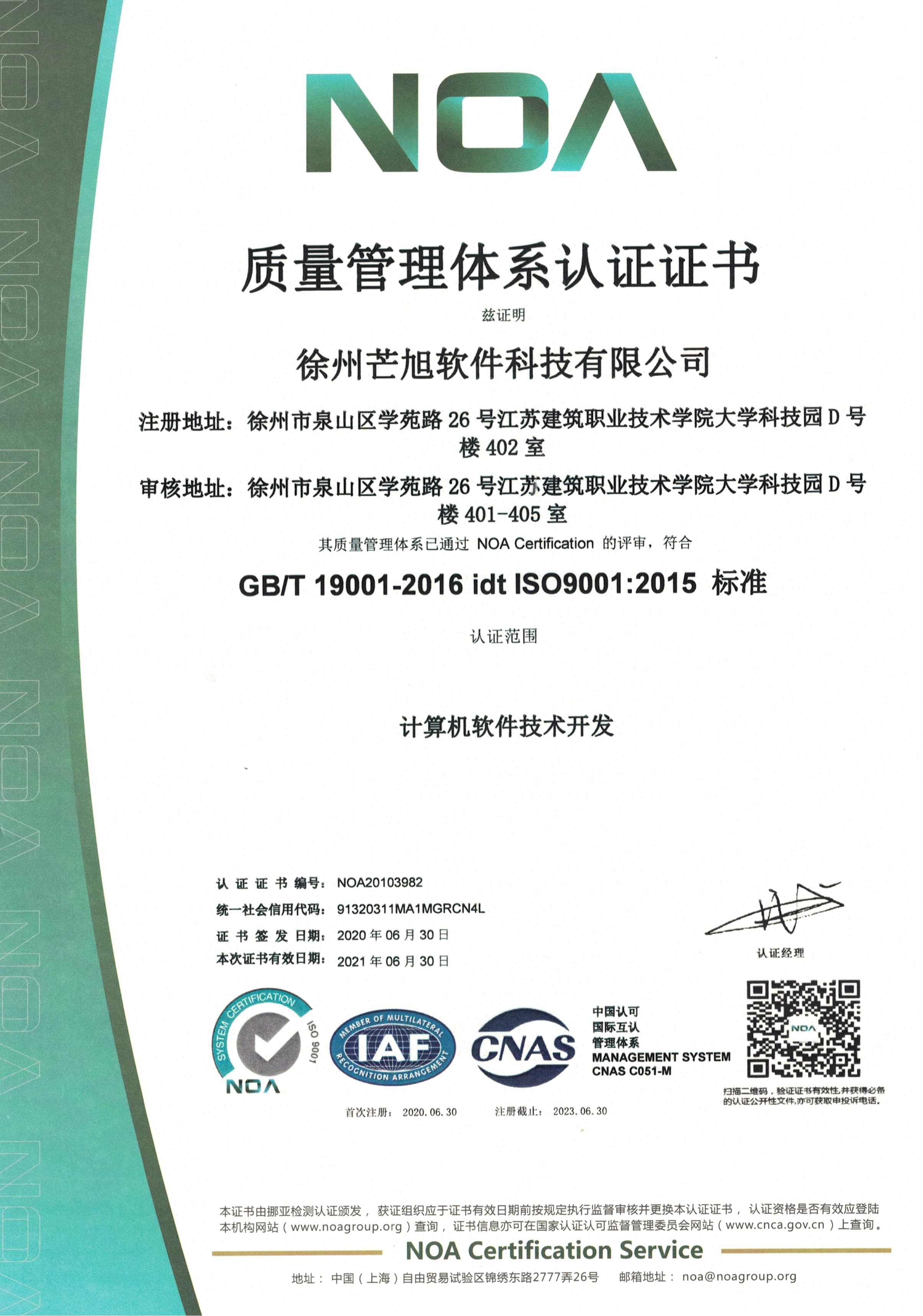
质量管理体系认证证书

质量管理体系认证证书
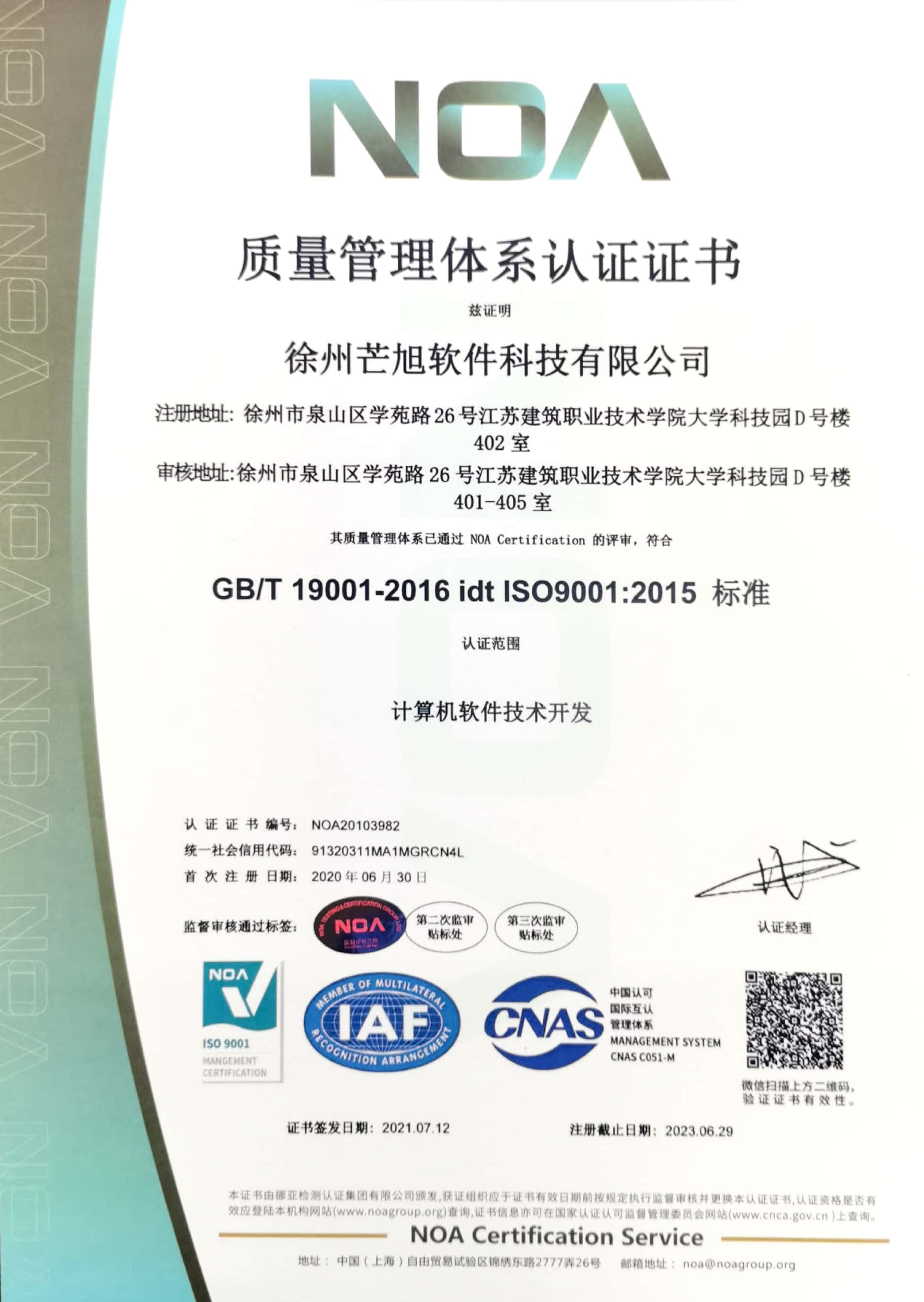
质量管理体系认证证书

QUALITY MANAGEMENT SYSTEM CERTIFICATE
PDF DocumentClick to view
质量管理体系认证证书
PDF DocumentClick to view
质量管理体系认证证书
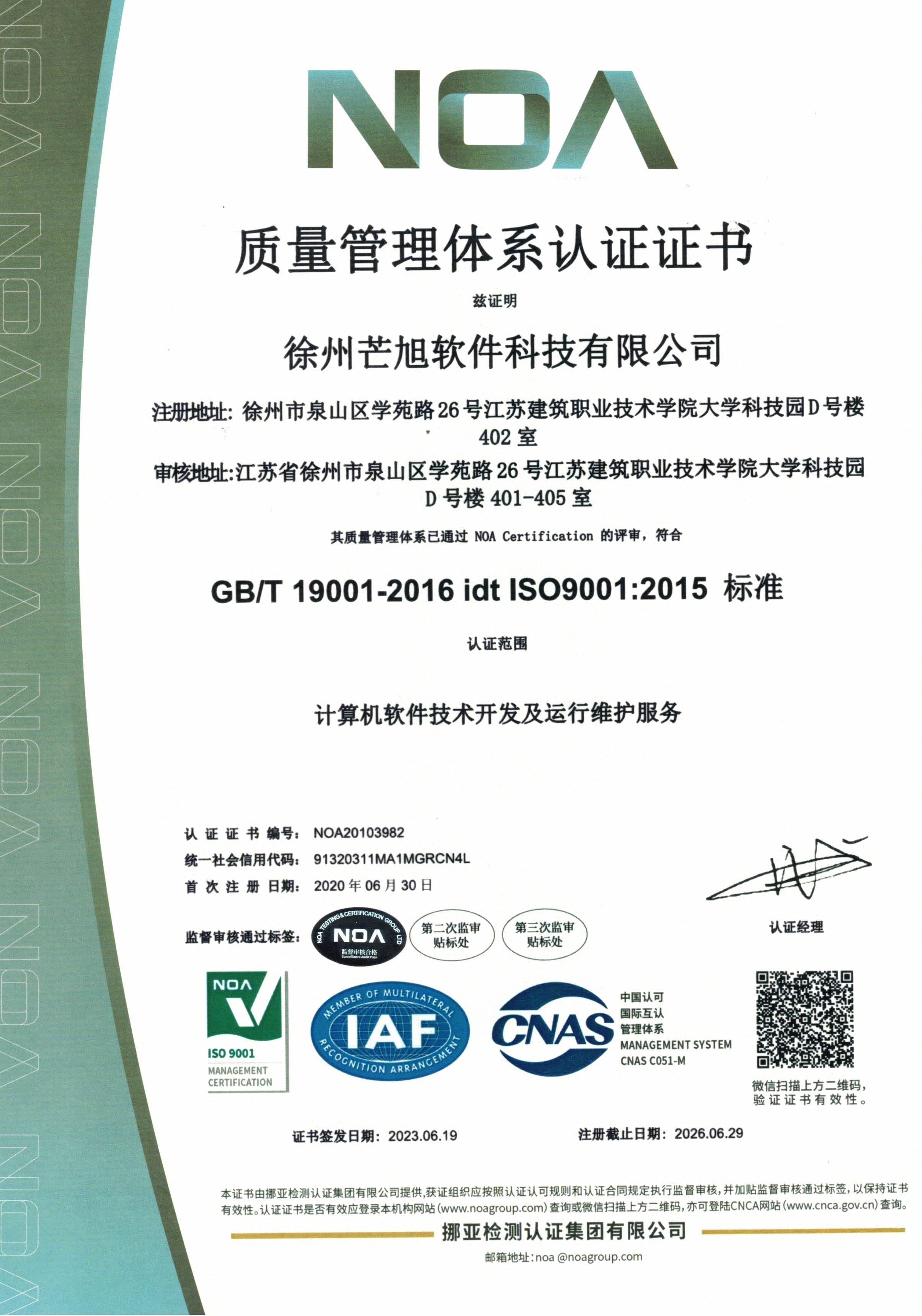
质量管理体系认证证书

QUALITY MANAGEMENT SYSTEM CERTIFICATE
PDF DocumentClick to view
高新技术企业证书
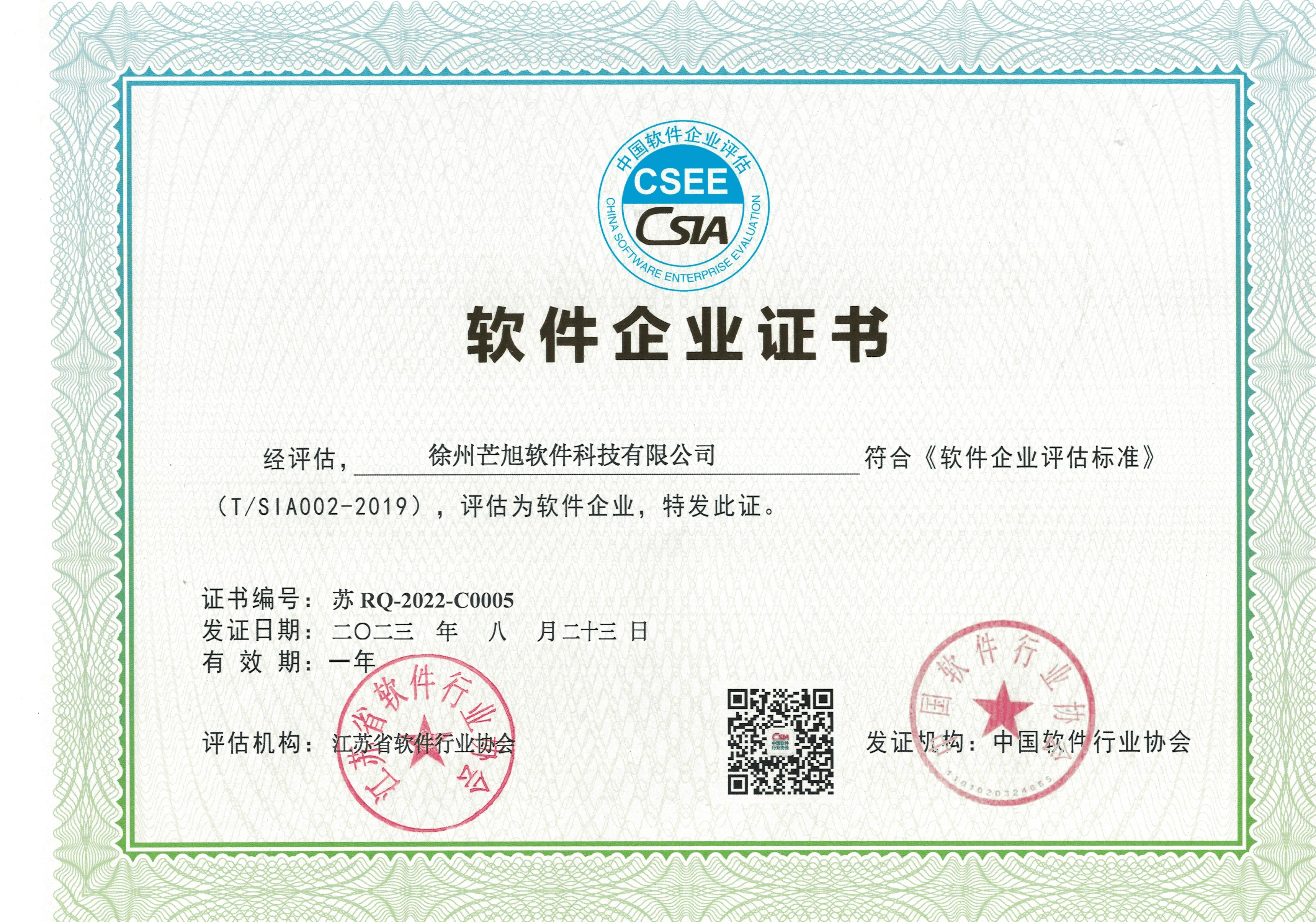
软件企业证书
This solution provides a co-creation ecosystem centered on "subscription" for the food industry. Its core value lies in transforming the traditional "produce first, sell later" model into the C2M "produce-to-order" model. By using mechanisms such as pre-sale and crowdfunding, orders are locked in advance, fundamentally solving inventory backlog and capital turnover problems. The solution integrates four major modules: a subscription mall, a channel empowerment platform, a member operations center, and a data intelligence middle platform. It connects data across the entire chain from demand insight to supply chain collaboration, empowers channel partners to become ecosystem partners, and helps brands accumulate private domain user assets. It is expected to reduce inventory turnover days by 30%-50%, increase user repurchase rate by 20%-40%, and achieve cost reduction, efficiency improvement, and digital transformation of business models.