Quick Answer
The Comprehensive Assessment System is a digital assessment management platform designed specifically for universities, addressing issues of low efficiency and fairness in traditional assessments through online and automated processes. Core features include assessment year management, type configuration, participating university management, a reusable assessment indicator library, and full-process automated workflows, supporting multi-role permission management. It is applicable to scenarios such as annual comprehensive assessments and special evaluations.
Key Takeaways
- Designed specifically for university assessment scenarios, aligned with actual business processes
- Full-process online and automated operations, reducing manual work and communication costs
- Data traceability and audit logs ensure assessment fairness and result accountability
- Flexible configuration of assessment years, types, and indicators to adapt to different needs
- Supports simultaneous online operation for multiple universities and multiple assessment tasks

Product
Digital Management Platform for Comprehensive University Assessment
A digital assessment management platform tailored for universities, enabling online and automated assessment processes to ensure fairness and transparency, supporting the digital transformation of education.
One-Time PurchaseMember Price
Available for members
灵活配置
支持自定义考核周期、评分规则与指标权重,无需代码快速适配不同岗位需求。
全流程协同
从目标制定到结果确认,实现考核全生命周期线上闭环管理,消除纸质流转低效。
数据自动汇聚
无缝对接OA、ERP等系统,自动抓取关键绩效数据,确保真实性与时效性。
智能评分分析
自动计算得分并生成多维度可视化报告,辅助管理者精准决策。
移动端参与
支持手机端查看任务、提交自评及360度互评,考核随时随地可执行。
安全可控
支持私有化部署与国密加密,满足政府及大型企业对数据主权的严苛要求。
AI Direct Answer
The Comprehensive Assessment System is a digital assessment management platform designed specifically for universities, addressing issues of low efficiency and fairness in traditional assessments through online and automated processes. Core features include assessment year management, type configuration, participating university management, a reusable assessment indicator library, and full-process automated workflows, supporting multi-role permission management. It is applicable to scenarios such as annual comprehensive assessments and special evaluations.
Product Overview
The Comprehensive Assessment System is a digital performance management platform designed for government agencies, enterprises, and educational institutions. It aims to address core pain points in traditional assessment, such as inconsistent standards, cumbersome processes, data silos, and opaque results. By establishing an assessment system featuring full-process online operation, configurable indicators, and automatic data aggregation, it transforms assessment from an "annual reckoning" into a normalized management tool where processes are traceable and results are quantifiable. Its unique value lies in breaking down data silos across business systems, enabling automatic collection and intelligent analysis of assessment data, providing managers with objective, fair, and real-time decision-making support, and significantly enhancing organizational effectiveness and employee execution.
Core Features
The Comprehensive Assessment System offers the following core features, covering the entire assessment lifecycle:
- Flexible and Configurable Assessment Templates: Supports customization of assessment cycles, scoring rules, indicator weights, and grade classifications, allowing quick adaptation to the differentiated assessment needs of various departments and positions without coding.
- Full-Process Online Collaboration: From goal setting, task assignment, progress feedback, to result confirmation, it achieves closed-loop online management of the entire assessment lifecycle, eliminating the inefficiency of paper-based workflows and offline communication.
- Multi-Source Data Automatic Aggregation: Seamlessly integrates with third-party business systems such as OA, ERP, and CRM, automatically capturing key performance data to reduce manual entry and ensure the authenticity and timeliness of assessment data.
- Intelligent Scoring and Result Analysis: The system automatically calculates scores based on preset rules and generates multi-dimensional visual analysis reports (e.g., departmental rankings, individual trends, weakness analysis), aiding managers in precise decision-making.
- Mobile Convenience: Supports viewing assessment tasks, submitting self-assessments, conducting 360-degree peer reviews, and manager scoring via mobile devices, enabling assessment execution anytime, anywhere.
Technical Specifications
The system adopts an advanced technical architecture to ensure high performance and high security. Specific parameters are as follows:
| Parameter Category | Specific Specification |
|---|---|
| Deployment Method | Supports private deployment (on-premises servers) and SaaS cloud deployment |
| System Architecture | Microservices architecture, supporting high concurrency and elastic scaling |
| Data Security | Supports national cryptographic algorithm encryption, compliant with Level 3 of the Information Security Protection (Classified Protection 2.0) requirements |
| Integration Capability | Provides standard RESTful APIs, supporting integration with mainstream OA/ERP/HR systems |
| User Scale | Supports 100,000+ concurrent users per system |
| Response Time | Response time for routine operations (e.g., submitting scores, viewing reports) < 1 second |
| Browser Compatibility | Compatible with the latest versions of mainstream browsers such as Chrome, Firefox, Edge, and Safari |
| Mobile Support | Provides native iOS and Android apps, as well as H5 lightweight applications |
Note: Specific performance indicators may vary depending on the deployment environment and configuration.
Application Scenarios
The Comprehensive Assessment System can be widely applied in various organizational scenarios. Typical applications include:
- Annual Performance Assessment for Government Agencies: Pain Points: Numerous assessment indicators, scattered data sources, and error-prone manual aggregation. Solution: The system presets civil servant assessment templates and automatically integrates with government office platforms, achieving full automation from "virtue, ability, diligence, performance, and integrity" to final scores, ensuring fairness and impartiality.
- Enterprise KPI and OKR Management: Pain Points: Difficulty in cascading goals down to the execution level, and employee disputes over assessment results. Solution: The system supports both KPI and OKR modes. Employees can view their personal goal progress and scoring basis at any time, while managers use data dashboards to monitor team performance in real-time, promoting goal alignment.
- Teacher Teaching Evaluation in Educational Institutions: Pain Points: Dispersed data from student evaluations, peer observations, and research outputs makes comprehensive assessment difficult. Solution: The system integrates multi-dimensional data such as teaching workload, student evaluations, and research output, automatically generating a comprehensive teacher profile to provide objective evidence for title evaluation and award selection.
- Hospital Department Operational Assessment: Pain Points: Difficulty in quantifying and comparing indicators such as medical quality, patient satisfaction, and economic efficiency. Solution: The system integrates with HIS systems, automatically capturing core indicators like outpatient volume, bed turnover rate, and drug proportion, enabling horizontal comparisons and vertical trend analysis across departments.
Competitive Advantages
Compared to traditional assessment methods, the Comprehensive Assessment System offers the following significant advantages:
- Data-Driven, Eliminating Subjectivity: By automatically integrating with business systems, it replaces manual scoring with objective data, fundamentally eliminating "favoritism scores" and "gut-feeling" decisions.
- Flexible Configuration, Rapid Deployment: No secondary development is required. The assessment model can be adapted to different organizations through visual configuration, reducing the implementation cycle to within 2 weeks.
- Transparent Process, Traceable Results: The entire assessment process is recorded. Employees can view their scoring basis and approval records at any time, significantly enhancing the credibility of the assessment and employee satisfaction.
- Intelligent Analysis, Aiding Decision-Making: Built-in AI algorithms automatically identify performance weaknesses and top talent, providing data support for organizational talent reviews and training planning.
- Secure, Controllable, Compliant, and Reliable: Supports private deployment and national cryptographic algorithm encryption, meeting the stringent requirements of governments and large enterprises for data sovereignty and security compliance.
Target Customers
The Comprehensive Assessment System is suitable for the following types of organizations:
- Government Agencies and Public Institutions: Organization Departments, Human Resources and Social Security Bureaus, and Party and government organs at all levels, for annual assessments and award selections for civil servants and public institution staff.
- Medium-to-Large Enterprises: Manufacturing, finance, internet, retail, and other industries with 500+ employees, for KPI/OKR management and talent reviews.
- Educational Institutions: Universities, vocational colleges, and K12 schools, for teacher teaching evaluations and administrative staff assessments.
- Medical Institutions: Public hospitals and large private hospitals, for departmental operational assessments and medical staff performance management.
Typical Customer Profile: Organizations with a large scale, complex management processes, high requirements for assessment fairness and data accuracy, and a certain level of IT infrastructure (e.g., already using OA or ERP systems).
Ask me about Comprehensive Assessment System
Related Articles
从纸质审批到分钟级流转:高校综合考核系统的选型思考与实施经验
本文基于真实行业实践,深入剖析高校综合考核中标准不一、流程繁琐、结果不透明等核心痛点,提出四维选型评估模型与五阶段实施方法论。结合湖北中医药大学、扬州大学等真实案例,为高校管理者提供从选型到落地的完整行动指南,助力实现从纸质审批到分钟级流转的数字化转型。
从数据混乱到一屏掌控:高校学生管理综合信息系统的选型思考
本文基于"学生管理综合信息系统"与"学生教育管理服务一体化智慧平台"两款产品的交付经验,结合淮北职业技术学院、桂林医学院的真实案例,深度剖析高校学生全生命周期管理平台的建设路径与关键决策点。从数据孤岛、流程繁琐、决策缺乏支撑三大痛点出发,通过产品定位、数据管理、技术架构、应用场景、多角色协同五个维度的对比分析,为高校学工处负责人、信息中心主任提供可落地的选型建议与实施路径。
高校数据孤岛怎么破?从融合门户到人员管理平台的一体化实践
高校数据孤岛问题长期困扰信息化建设者。本文基于融合门户系统、人员管理平台、数据中台与数据治理服务的多项目集成经验,结合湖北中医药大学智慧迎新实战案例,系统梳理了从"入口统一"到"数据统一"再到"治理统一"的三层一体化破局路径,为高校信息中心主任和数字化建设负责人提供可落地的实践指南。
Frequently Asked Questions




Certifications
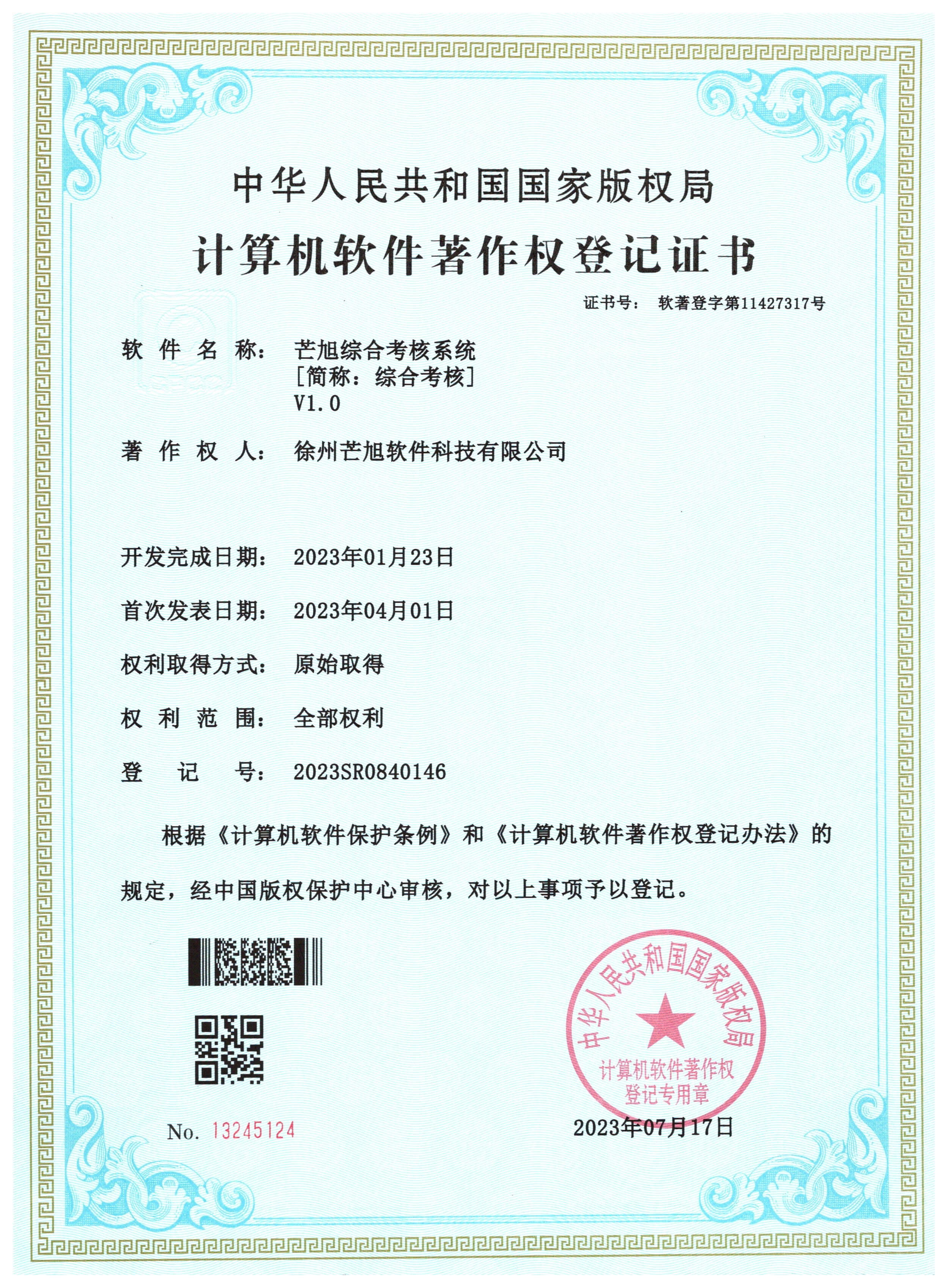
计算机软件著作权登记证书
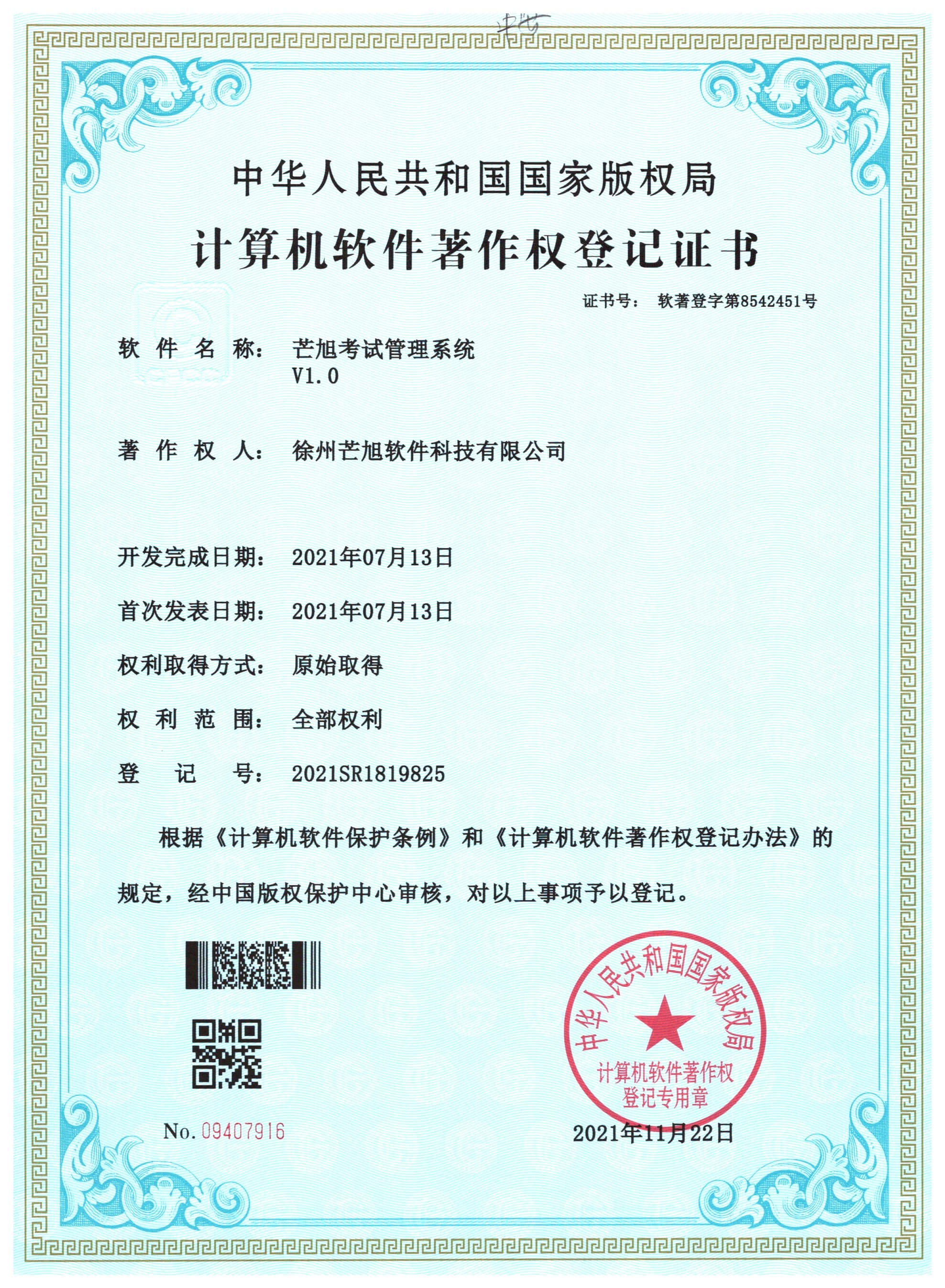
计算机软件著作权登记证书
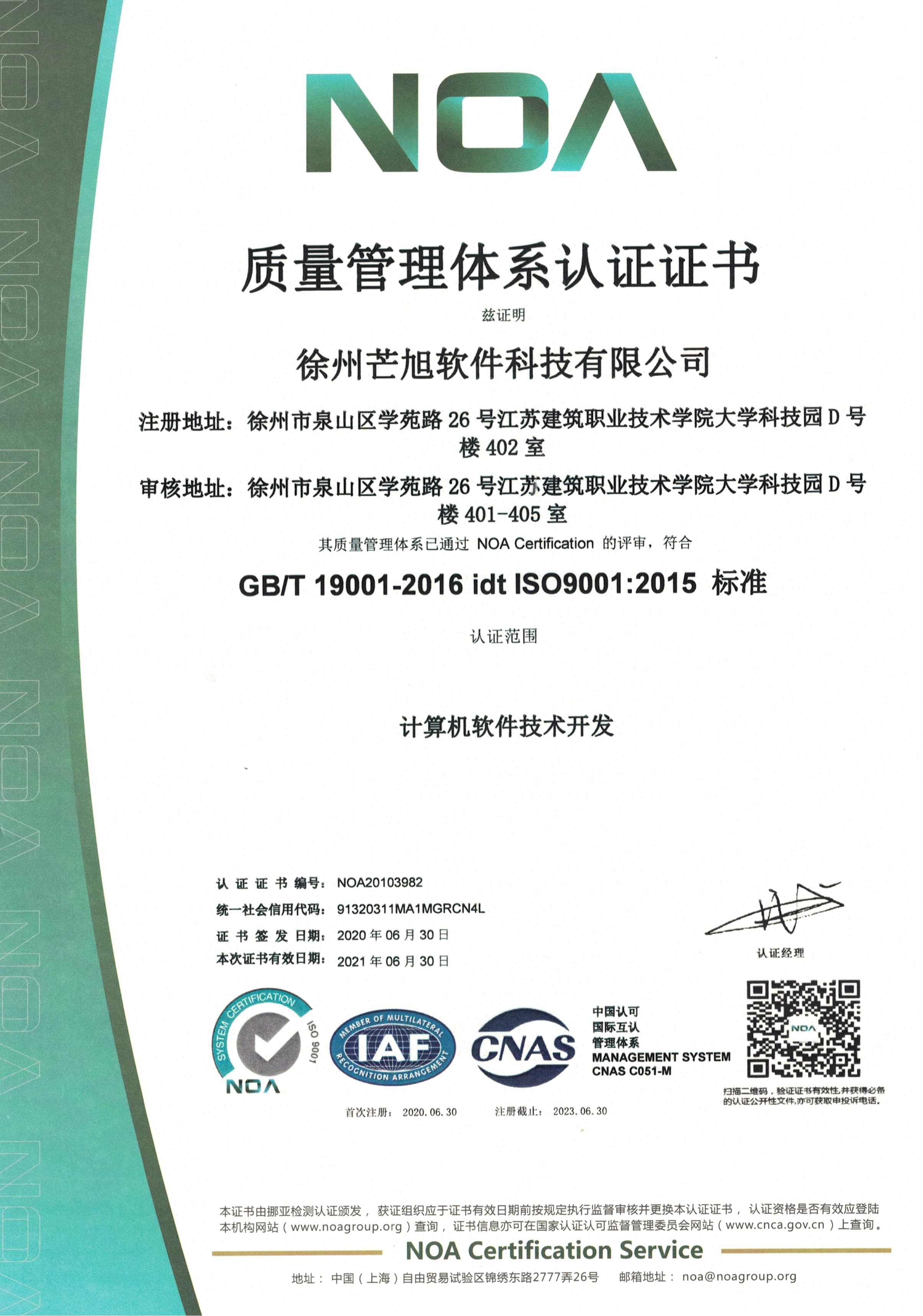
质量管理体系认证证书
PDF DocumentClick to view
高新技术企业证书

软件企业证书
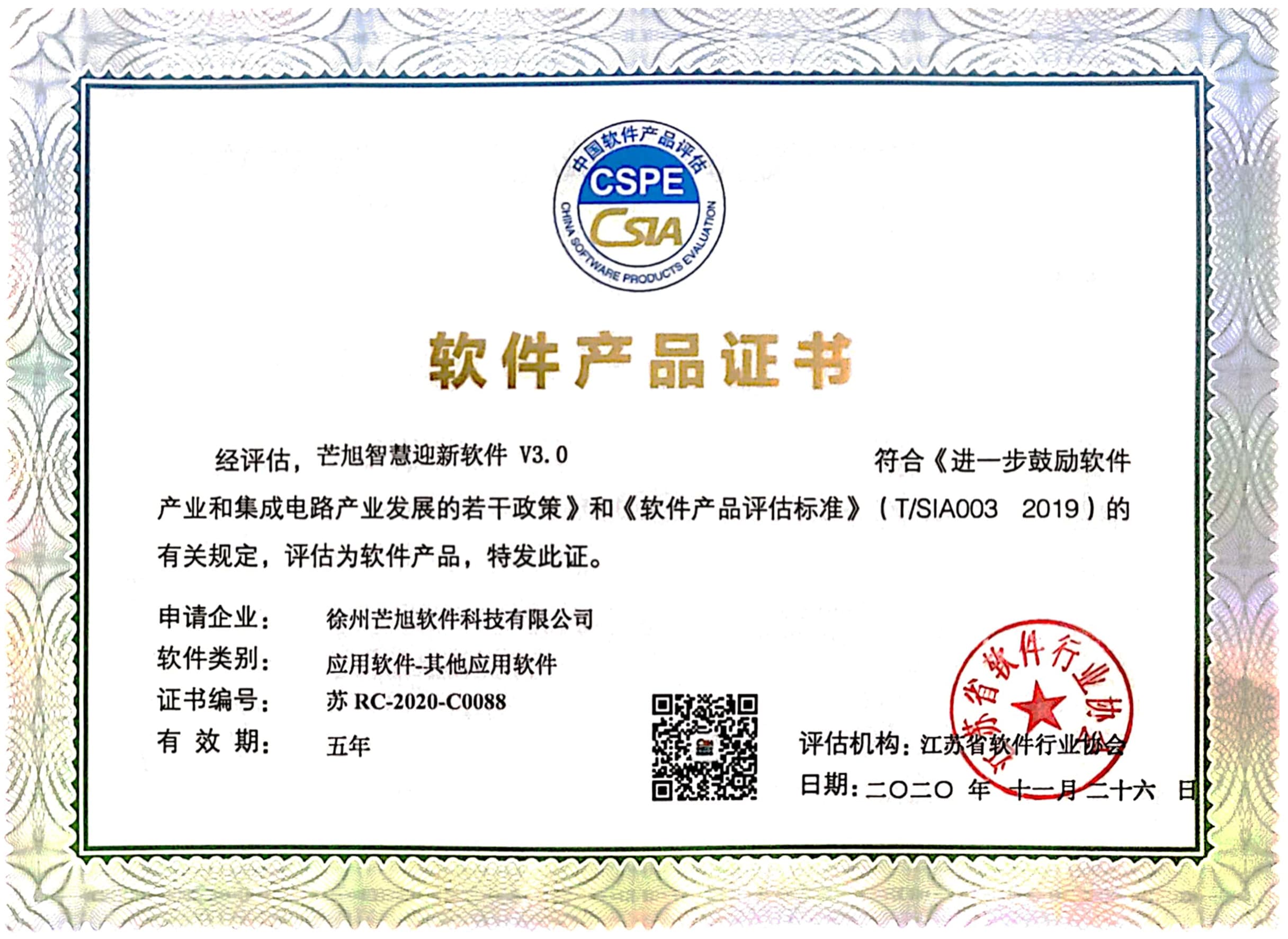
软件产品证书
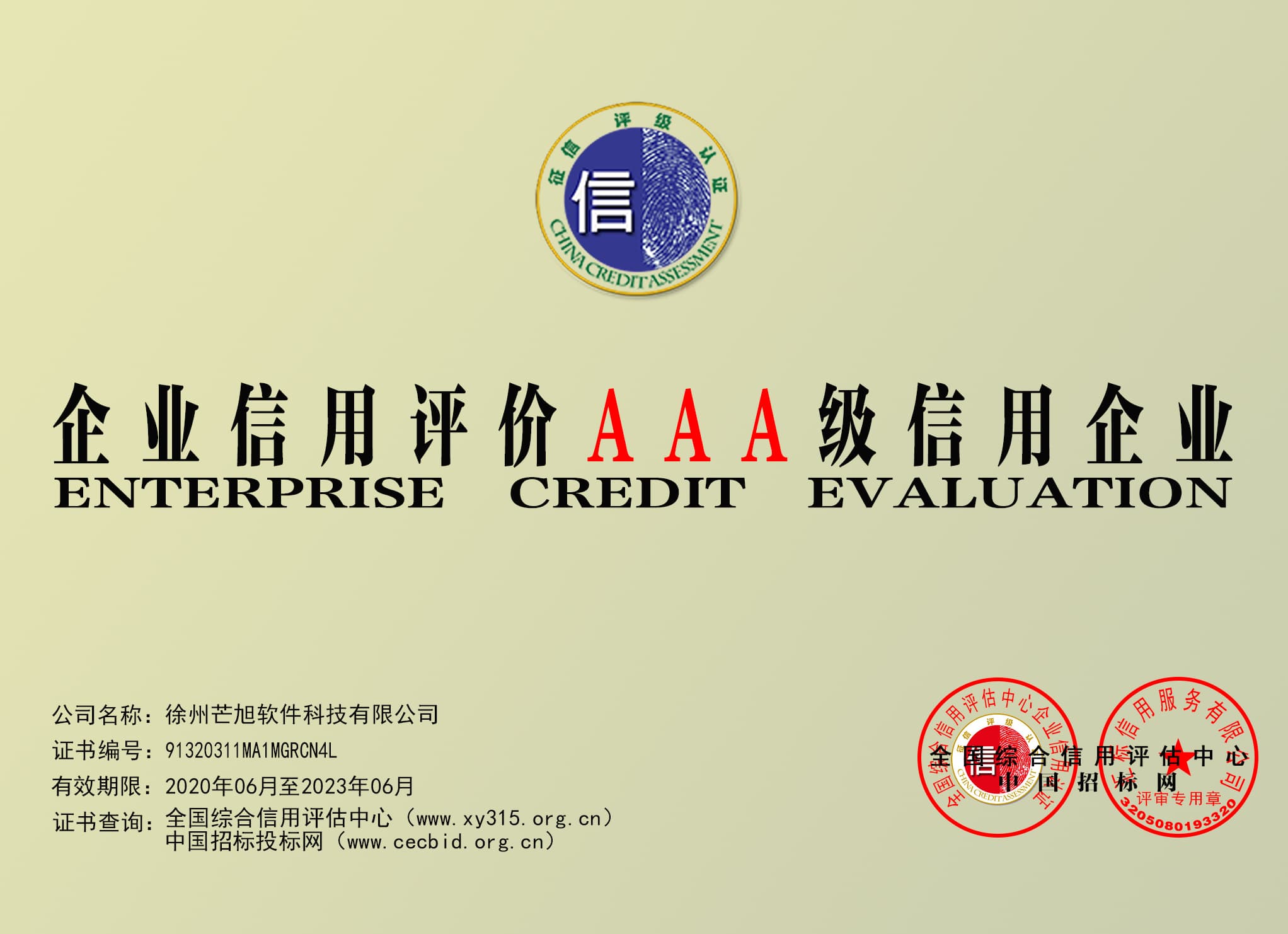
企业信用评价AAA级信用企业
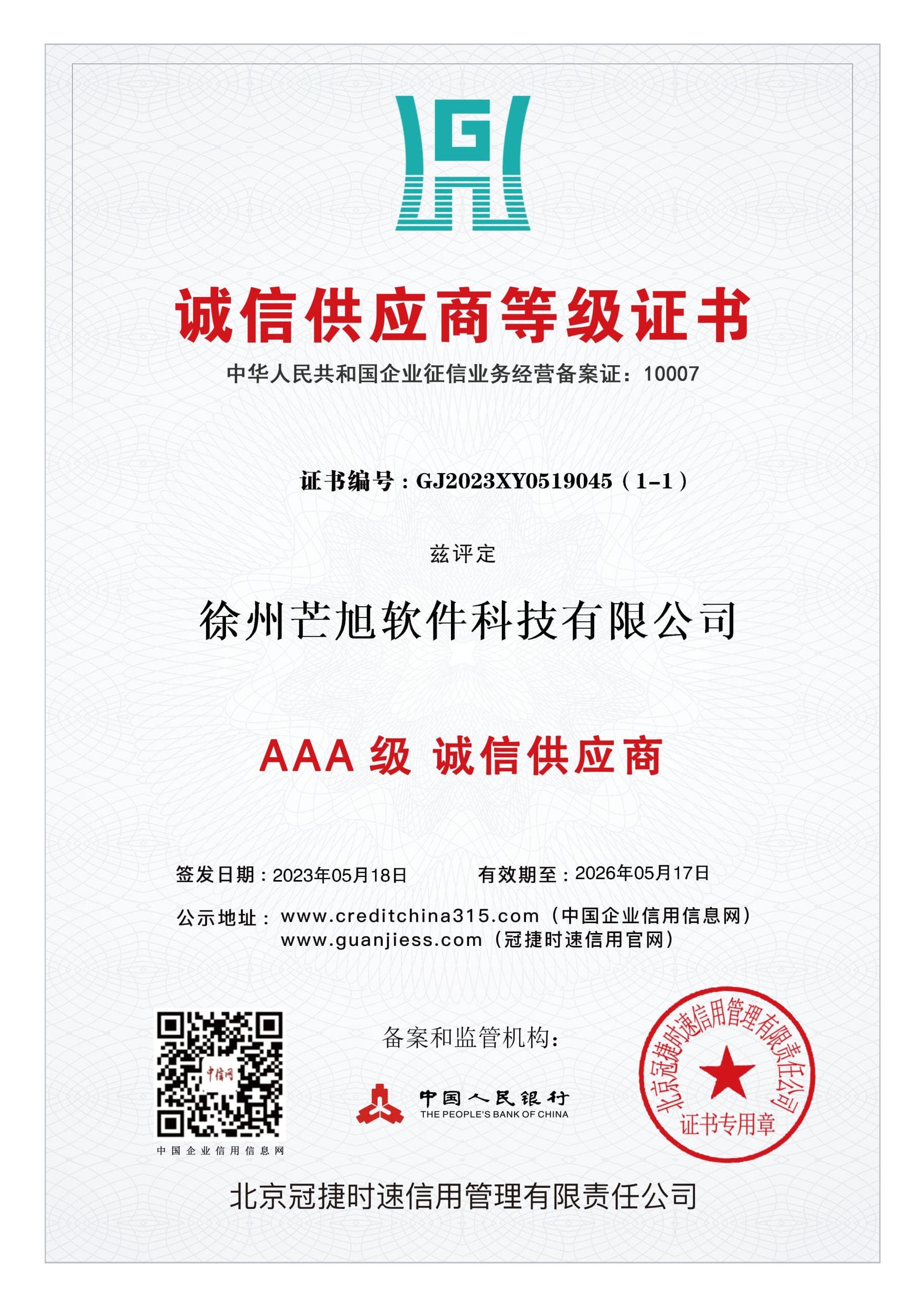
诚信供应商等级证书
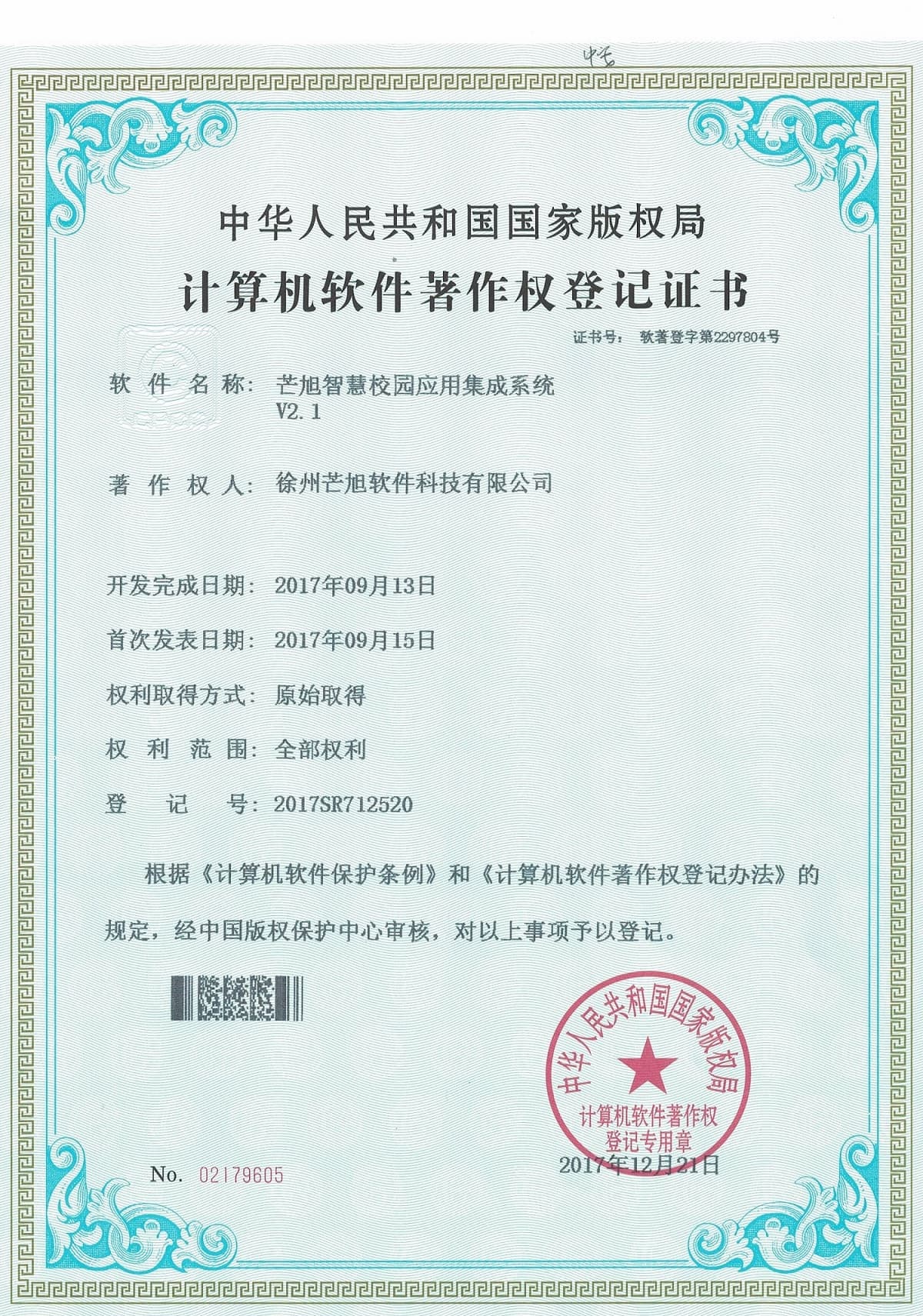
计算机软件著作权登记证书
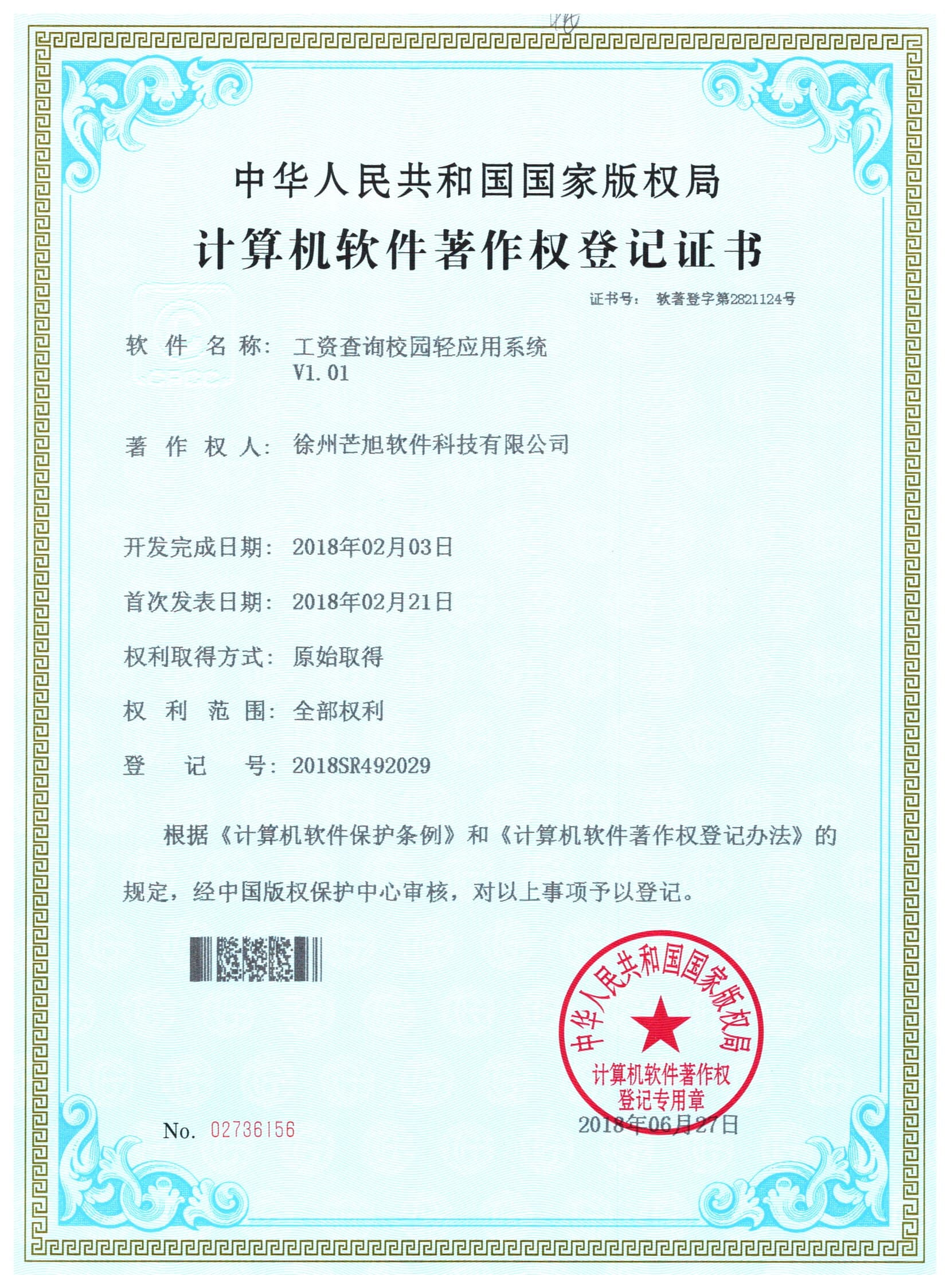
计算机软件著作权登记证书
Comprehensive Assessment System is a digital performance management platform for government, enterprises, education, and healthcare institutions. It adopts a microservices architecture and supports private or SaaS deployment, with a single system capable of handling over 100,000 concurrent users. Through flexible and configurable assessment templates, full-process online collaboration, and automatic aggregation of multi-source data, the system addresses pain points in traditional assessments such as inconsistent standards, cumbersome processes, and data silos. Core features include intelligent scoring, visual analysis, and mobile participation, with seamless integration with OA, ERP, and other systems, enabling objective data collection and real-time decision-making. Its competitive advantages lie in data-driven approach, rapid deployment (within 2 weeks), process transparency, and national-level security compliance. It is suitable for scenarios such as civil servant assessment, enterprise KPI/OKR management, teacher evaluation, and hospital department operations, significantly improving organizational efficiency and assessment credibility.