Quick Answer
The Smart Comprehensive Management Platform for Construction Waste uses IoT, big data, and AI technologies to cover the entire chain of construction waste, achieving traceable sources, controllable processes, trackable disposal, and analyzable data, improving regulatory efficiency by over 30% and promoting resource utilization.
Product
Closed-Loop Supervision and Resource Utilization of Construction Waste
Provides housing and urban-rural development and urban management departments with full-cycle smart management of construction waste, achieving a 30% reduction in illegal dumping and a resource utilization rate of 30%.
Project-BasedView Details for Quote
Submit your request online for a custom quote
全链闭环
覆盖建筑垃圾产生、运输、处置、再生全生命周期,打通数据链路,实现全程可溯。
智能监管
融合AI视频识别与物联感知,自动预警未密闭、抛洒滴漏、违规倾倒等行为。
实时追踪
GPS/北斗双模定位车辆轨迹与装载状态,偏离路线、超速等违规秒级预警。
智能调度
基于供需预测优化运输路线与处置资源分配,提升设施利用率与资源化率。
协同执法
统一数据中台打通多部门数据,配套移动执法APP,案件闭环处理缩短至2天。
决策驾驶舱
GIS可视化管理垃圾流向,多维度报表与自动预警支撑科学决策和快速响应。
成效显著
实际落地数据显示非法倾倒降45%、设施利用率升30%、投诉率降70%。
快速落地
分阶段交付策略,2-3个月实现平台V1.0上线,平滑升级降低实施风险。
AI Direct Answer
The Smart Comprehensive Management Platform for Construction Waste uses IoT, big data, and AI technologies to cover the entire chain of construction waste, achieving traceable sources, controllable processes, trackable disposal, and analyzable data, improving regulatory efficiency by over 30% and promoting resource utilization.
Pain Points
The current construction waste management field generally faces the following core pain points, which severely restrict the efficiency of urban environmental governance and the sustainable development of the industry:
1. Difficulty in Source Supervision, Frequent Illegal Dumping
- Phenomenon: Construction waste originates from scattered sources, and the transportation process lacks effective monitoring, leading to frequent occurrences of "black car" transport and indiscriminate dumping.
- Cause: Traditional management relies on manual inspections and paper documents, making it impossible to track the entire chain from waste generation to disposal in real-time.
- Impact: According to statistics, approximately 30% of construction waste does not enter formal disposal channels, causing environmental pollution and safety hazards, with high government regulatory costs.
2. Uncontrolled Transportation Process, Prominent Overloading and Dust Issues
- Phenomenon: Transport vehicles are overloaded, not sealed, and spill materials along the way, leading to road dust and secondary pollution.
- Cause: Lack of real-time sensing and early warning mechanisms for vehicle trajectory, loading status, and sealing conditions.
- Impact: The urban Air Quality Index (AQI) rises by 10-20% due to dust issues, and the rate of resident complaints remains high.
3. Mismatched Disposal Capacity, Low Resource Utilization Rate
- Phenomenon: Disposal facilities such as construction waste landfills and resource utilization plants are unevenly distributed, and their capacity does not match the amount of waste generated.
- Cause: Lack of big data-based supply-demand forecasting and intelligent scheduling platforms, leading to idle disposal resources or overloaded operations.
- Impact: The resource utilization rate of construction waste is less than 15%, and a large amount of recyclable material is landfilled, resulting in resource waste.
4. Difficulty in Multi-Department Collaboration, Severe Data Silos
- Phenomenon: Data from departments such as housing and construction, urban management, transportation, and environmental protection are not interconnected, leading to disconnects in approval, supervision, and enforcement processes.
- Cause: Systems are built independently, lacking unified data standards and sharing mechanisms.
- Impact: Cross-departmental joint law enforcement is inefficient, with case processing cycles extended by an average of 3-5 days, making it difficult to achieve closed-loop management.
5. Decision-Making Lacks Data Support, Management is Extensive
- Phenomenon: Managers cannot grasp key indicators such as regional construction waste generation, flow, and disposal status in real-time.
- Cause: Lack of visual data dashboards and intelligent analysis tools; management decisions rely on experience rather than data.
- Impact: Policy formulation and resource allocation lag behind, making it difficult to respond to sudden environmental events or seasonal waste generation peaks.
Solution Overview
The Smart Comprehensive Management Platform for Construction Waste is a comprehensive solution centered on the core concept of "traceable sources, controllable processes, trackable disposal, and analyzable data." It integrates advanced technologies such as the Internet of Things (IoT), big data, artificial intelligence (AI), and geographic information systems (GIS) to build a smart management system covering the entire lifecycle of construction waste—from generation, transportation, and disposal to recycling.
Design Approach
This solution is not a mere collection of individual products but a systematic approach to addressing the pain points above:
- For difficulty in source supervision: Through smart weighbridges, video AI recognition, and an electronic manifest system, it enables automatic collection of waste generation data and online approval of transport permits, eliminating illegal activities at the source.
- For uncontrolled transportation: Using vehicle GPS/BeiDou positioning, sealing status sensors, and AI violation recognition algorithms, it monitors vehicle trajectory, loading, and dust conditions in real-time, achieving refined management with "one vehicle, one file."
- For mismatched disposal capacity: It predicts waste generation trends through big data analysis, intelligently schedules transport vehicles and disposal resources, and connects supply and demand for resource utilization enterprises, improving the resource utilization rate.
- For data silos: It builds a unified data middle platform, achieving seamless integration with existing systems from housing and construction, urban management, transportation, and environmental protection departments, forming a "single network" for cross-departmental collaborative supervision.
- For extensive decision-making: Through a visual cockpit and intelligent reports, it provides managers with real-time, accurate decision support.
Unique Value
The differentiated advantage of this solution lies in its "full-chain closed loop" and "data-driven decision-making." It not only solves the regulatory problem of "managing vehicles and monitoring people" but also empowers the government and enterprises to shift from "passive response" to "active governance" through data enablement, ultimately driving the digital transformation of construction waste management and the green upgrade of the industry.
Solution Components
This solution consists of the following six core components, which work together to form an organic whole:
1. Intelligent Perception Layer
- Positioning and Role: As the "sensory system" of the solution, it is responsible for collecting real-time data across the entire construction waste chain.
- Core Modules: Includes vehicle GPS/BeiDou positioning terminals, vehicle sealing status sensors, smart weighbridges, site video AI cameras, and dust monitors.
- Collaborative Relationship: Provides accurate, real-time data foundation for the upper-layer platform.
2. Data Middle Platform
- Positioning and Role: As the "central nervous system" of the solution, it is responsible for data aggregation, cleaning, storage, and standardization.
- Core Modules: Includes data access engine, data governance tools, data warehouse, and data API gateway.
- Collaborative Relationship: Breaks down data silos, achieving data interoperability with existing systems from housing and construction, urban management, transportation, and environmental protection departments, providing unified data services for various business applications.
3. Business Management Platform
- Positioning and Role: As the "brain" of the solution, it carries core business logic and process management.
- Core Modules:
- Source Management: Electronic manifest system, site registration and permit approval module.
- Transportation Supervision: Vehicle trajectory playback, violation alerts (speeding, route deviation, unsealed), electronic fences.
- Disposal Management: Capacity monitoring of landfills/resource utilization plants, disposal appointment and scheduling.
- Law Enforcement Collaboration: Mobile law enforcement APP, case workflow and closed-loop management.
- Collaborative Relationship: Based on perception layer data, it drives automation and intelligence of business processes.
4. AI Intelligent Analysis Engine
- Positioning and Role: As the "intelligent core" of the solution, it provides deep analysis and prediction capabilities.
- Core Modules:
- Video AI Recognition: Automatically identifies behaviors such as unsealed vehicles, spillage, and illegal dumping.
- Supply-Demand Prediction Model: Predicts waste generation volume and disposal capacity gaps based on historical data.
- Intelligent Scheduling Algorithm: Optimizes transport routes and disposal resource allocation.
- Collaborative Relationship: Provides decision support for the business management platform, enhancing regulatory efficiency.
5. Visual Cockpit
- Positioning and Role: As the "dashboard" of the solution, it provides managers with a global perspective.
- Core Modules: GIS map display of waste flow, real-time monitoring screen, multi-dimensional data analysis reports, automatic alerts and report generation.
- Collaborative Relationship: Transforms complex data into intuitive insights, supporting management decisions.
6. Operations and Service System
- Positioning and Role: Ensures the continuous stable operation and value realization of the solution.
- Core Modules:
- Implementation and Deployment: Hardware installation, system integration, network debugging.
- Training and Support: Operational training for government managers, transport enterprises, and disposal enterprises.
- Maintenance and Support: 7x24 technical support, regular inspections, and system upgrades.
- Collaborative Relationship: Runs through the entire lifecycle of the solution, ensuring delivery quality and customer satisfaction.
Implementation Path
This solution adopts a "phased, incremental" implementation strategy to ensure smooth project deployment and rapid results.
| Phase | Objective | Key Activities | Milestone | Estimated Duration |
|---|---|---|---|---|
| Phase 1: Foundation Building | Complete core data collection and platform setup | 1. Hardware selection and procurement 2. Installation and debugging of intelligent perception devices 3. Data middle platform deployment and data access 4. Core business management platform launch | Platform V1.0 goes live, achieving basic data collection and process digitalization | 2-3 months |
| Phase 2: Capability Enhancement | Achieve intelligent supervision and collaboration | 1. AI intelligent analysis engine deployment and model training 2. Visual cockpit development and launch 3. Integration with housing/construction and urban management systems 4. Mobile law enforcement APP launch | Achieve AI alerts, cross-departmental data sharing, and visual decision-making | 3-4 months |
| Phase 3: Operational Optimization | Deepen application, improve governance efficiency | 1. Optimization of supply-demand prediction and intelligent scheduling models 2. Connection with resource utilization enterprises 3. Operational training and promotion 4. System performance tuning and security hardening | Full platform operation, improved resource utilization rate, significantly enhanced management efficiency | 2-3 months |
| Phase 4: Continuous Evolution | Data-driven, establish long-term mechanism | 1. Establish data-driven assessment and evaluation system 2. Explore value-added applications such as carbon emission reduction 3. Regular iterative upgrades | Form a replicable smart management model to support long-term decision-making | Ongoing |
Risk Management
- Data Security: Uses national encryption algorithms for transmission and storage, with regular security audits.
- System Integration: Conducts thorough preliminary research on existing systems, develops detailed interface specifications and testing plans.
- User Acceptance: Conducts batch training, establishes pilot areas, and promotes from point to area.
Expected Outcomes
After implementation, the solution will bring significant short-term results and long-term value:
Short-Term Results (1-3 months)
- Regulatory Efficiency Improvement: Illegal dumping cases reduced by 30%, alert response time for transport violations shortened to within 5 minutes.
- Data Transparency: Achieves 100% digital tracking of construction waste generation, flow, and disposal status.
- Collaboration Efficiency Improvement: Cross-departmental case processing cycle shortened from an average of 5 days to 2 days.
Long-Term Value (6-12 months)
- Resource Utilization Rate Improvement: Through intelligent scheduling and supply-demand matching, the construction waste resource utilization rate increases to over 30%.
- Operational Cost Reduction: Empty driving rate of transport enterprises reduced by 15%, government regulatory labor costs reduced by 20%.
- Significant Environmental Benefits: Days with AQI exceeding standards due to transport dust reduced by 40%, resident complaint rate decreased by 50%.
- Scientific Decision-Making: Managers can grasp the overall situation in real-time through the data cockpit, with policy formulation and resource allocation efficiency improved by 50%.
Return on Investment: Based on similar project calculations, this solution is expected to achieve a return on investment within 12-18 months through reduced law enforcement costs and increased resource utilization revenue.
Reference Cases
Case 1: Smart Construction Waste Supervision Project in a Provincial Capital City
- Client Background: The city generates over 30 million tons of construction waste annually, facing severe illegal dumping and dust issues.
- Solution Application: Deployed the full set of components of this solution, including intelligent perception devices, data middle platform, and AI analysis engine.
- Core Results: Six months after launch, illegal dumping cases decreased by 45%, transport vehicle violation rate reduced by 60%, and resource utilization rate increased from 12% to 25%.
Case 2: Construction Waste Resource Utilization Platform in a Coastal City
- Client Background: Resource utilization enterprises in the city are scattered, with asymmetric supply and demand information, leading to idle disposal capacity.
- Solution Application: Focused on applying the supply-demand prediction model and intelligent scheduling module, and established data channels between enterprises and the government.
- Core Results: Disposal facility utilization rate increased by 30%, sales of construction waste resource products (e.g., recycled bricks) grew by 20%.
Case 3: Integrated Smart Construction Site and Construction Waste Management in a New District
- Client Background: During the peak construction period in the new district, there were numerous construction sites, putting significant pressure on construction waste management.
- Solution Application: Started with smart weighbridges and video AI at source sites, gradually expanding to transportation and disposal stages.
- Core Results: Achieved 100% online supervision of construction waste from sites within the district, with dust-related complaints from construction sites decreasing by 70%.
Ask me about Smart Integrated Management Platform for Construction Waste
Related Articles
绿色微电网落地,为什么很多企业「算不清账」?——工业能源数字化改造的四个关键评估维度与实施路径
工业企业在绿色微电网和能源数字化改造中常陷入"算不清账"的困境。本文基于"绿色微电网数字底座"方案的设计逻辑,提出能效优化、运营可靠性、碳合规、数据资产四个关键评估维度,并给出分阶段实施路径和常见陷阱的应对建议,帮助企业科学评估投资回报,实现从"成本中心"到"价值中心"的转变。
建筑垃圾「全链条」智慧管理:从「运输监管」到「再生利用」,不同建设阶段的关键决策与避坑指南
本文基于建筑垃圾智慧综合管理平台与建筑废弃物运输车辆识别设备技术实现方案两个真实项目的交付经验,从源头、运输、处置、再生四个阶段,拆解建筑垃圾智慧管理的关键决策点与常见陷阱。文章提供了从智能感知设备选型、边缘AI部署、供需预测模型构建到资源化利用对接的完整决策框架,以及分阶段实施路径和风险管控建议,为城管/住建部门信息化负责人、建筑垃圾处理企业技术主管及环保行业项目经理提供可落地的避坑指南。
从设备到数据:物联网集成项目中常见的5个坑与应对策略
本文基于超过200种设备的驱动开发实践和多个行业客户的真实案例,梳理了物联网设备集成与驱动开发中最常见的5个"坑":协议不统一、数据失真、系统孤岛、交付黑洞、运维噩梦。每个问题都配有经过验证的应对策略,并提供了选择靠谱集成服务商的四个评估维度。文章引用了可量化的SLA承诺和水利行业真实案例数据,为物联网项目经理和集成工程师提供实操指南。
从「管住车」到「管住全链条」:建筑垃圾智慧管理平台的建设路径与避坑要点
建筑垃圾治理正从单一车辆监管向覆盖"产生—运输—处置—再生"全链条的智慧管理体系升级。本文基于真实的方案实践与案例数据,系统梳理全链条智慧管理体系的四层架构设计、分阶段实施路径,并深度剖析"重硬件轻平台""大而全一步到位"等五大常见误区及应对策略,为城管/住建部门信息化负责人和环保企业技术主管提供可落地的场景化实施指南。
从"经验驱动"到"数据驱动":企业决策辅助系统落地的三个关键阶段
本文基于决策辅助与智能分析业务线的全栈能力体系,结合服务金融、零售、制造等行业客户的真实项目经验,提出企业从"经验驱动"迈向"数据驱动"的三个关键阶段:筑基(数据可信)、洞察(决策可见)、闭环(决策自动)。文章详细阐述了每个阶段的核心交付物、可量化指标和实施路径,并提供了农行徐州分行智慧校园等真实案例的量化成果,为企业数字化转型决策者提供可操作的方法论指导。
Frequently Asked Questions


Certifications
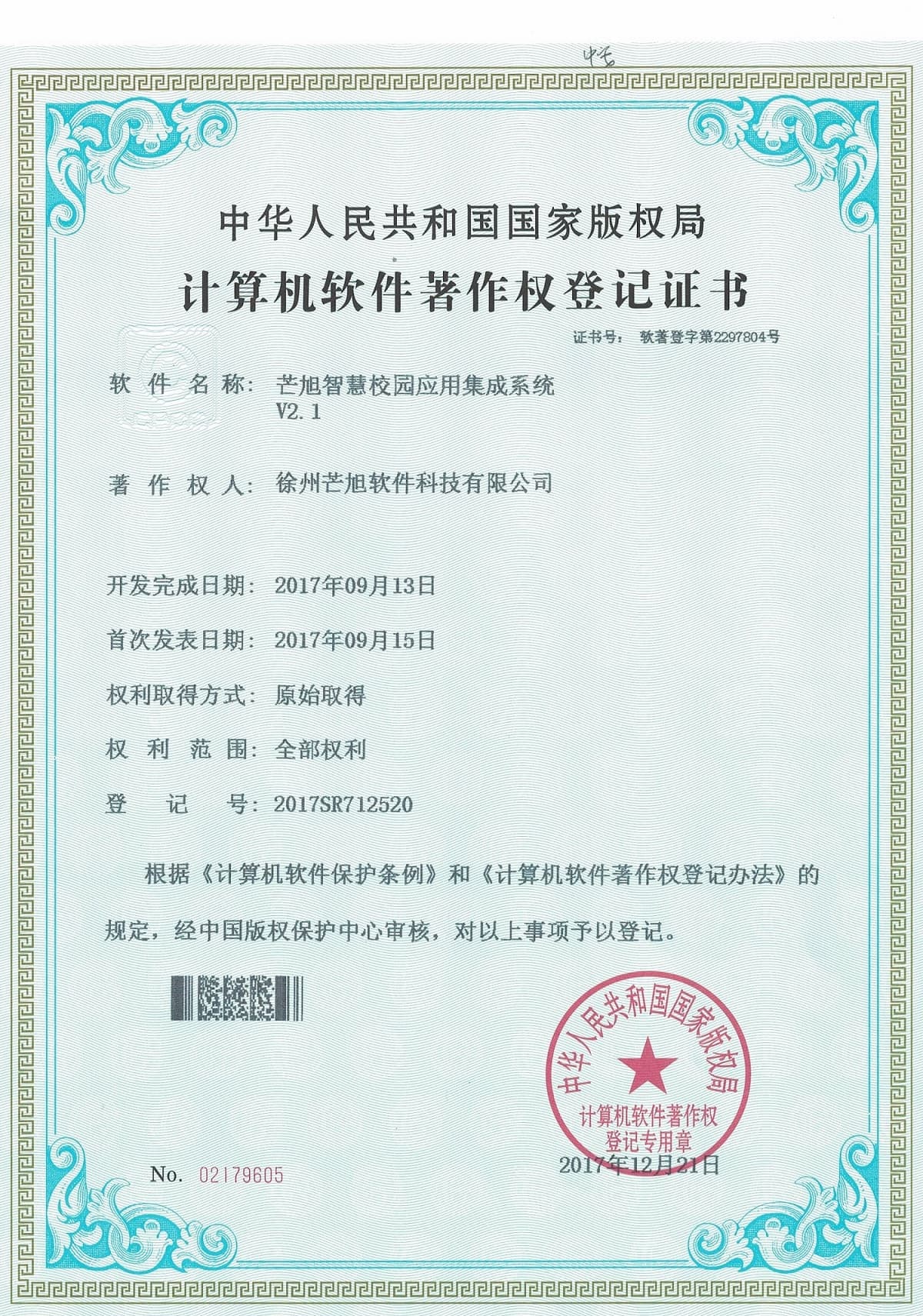
计算机软件著作权登记证书
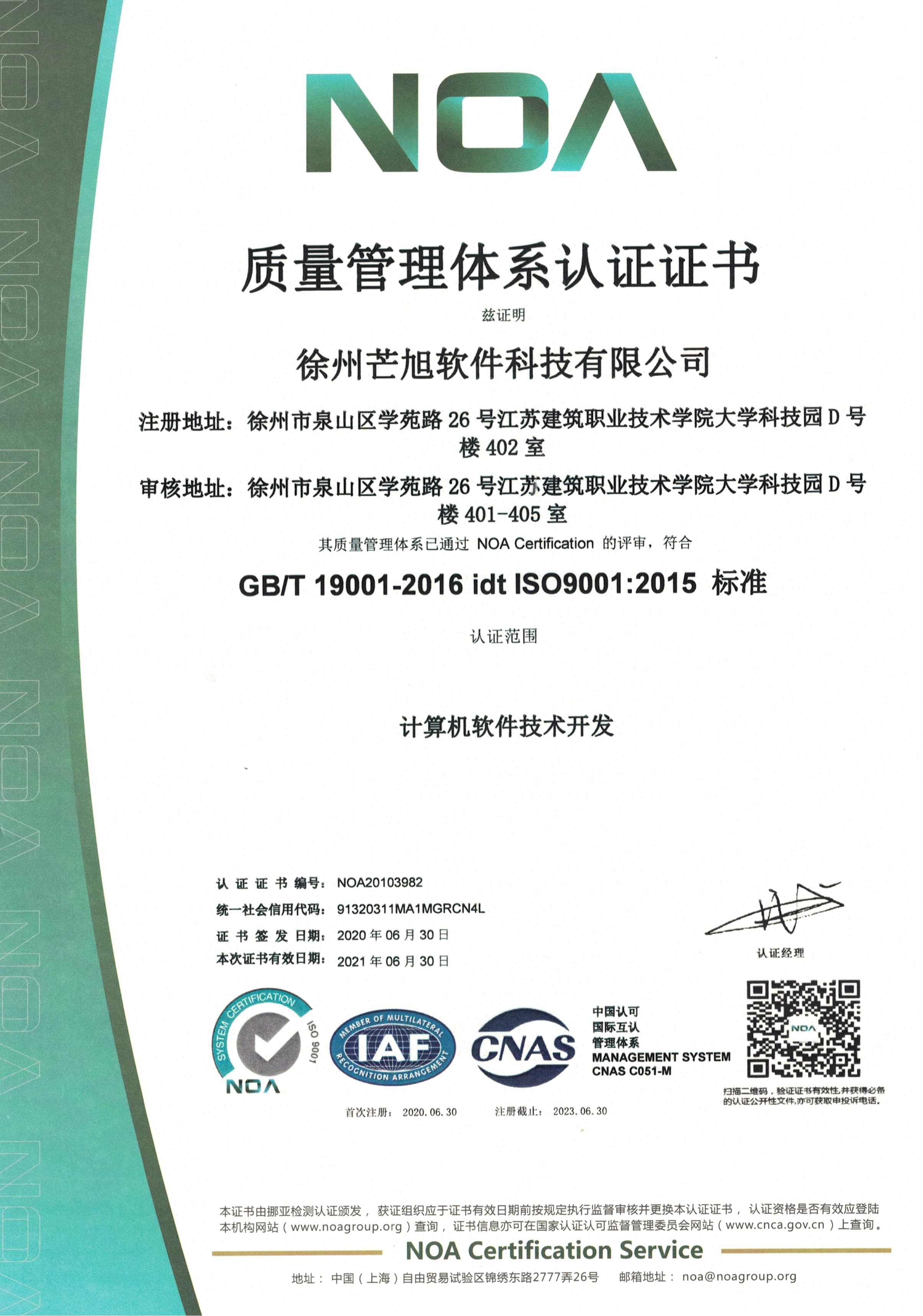
质量管理体系认证证书
PDF DocumentClick to view
高新技术企业证书
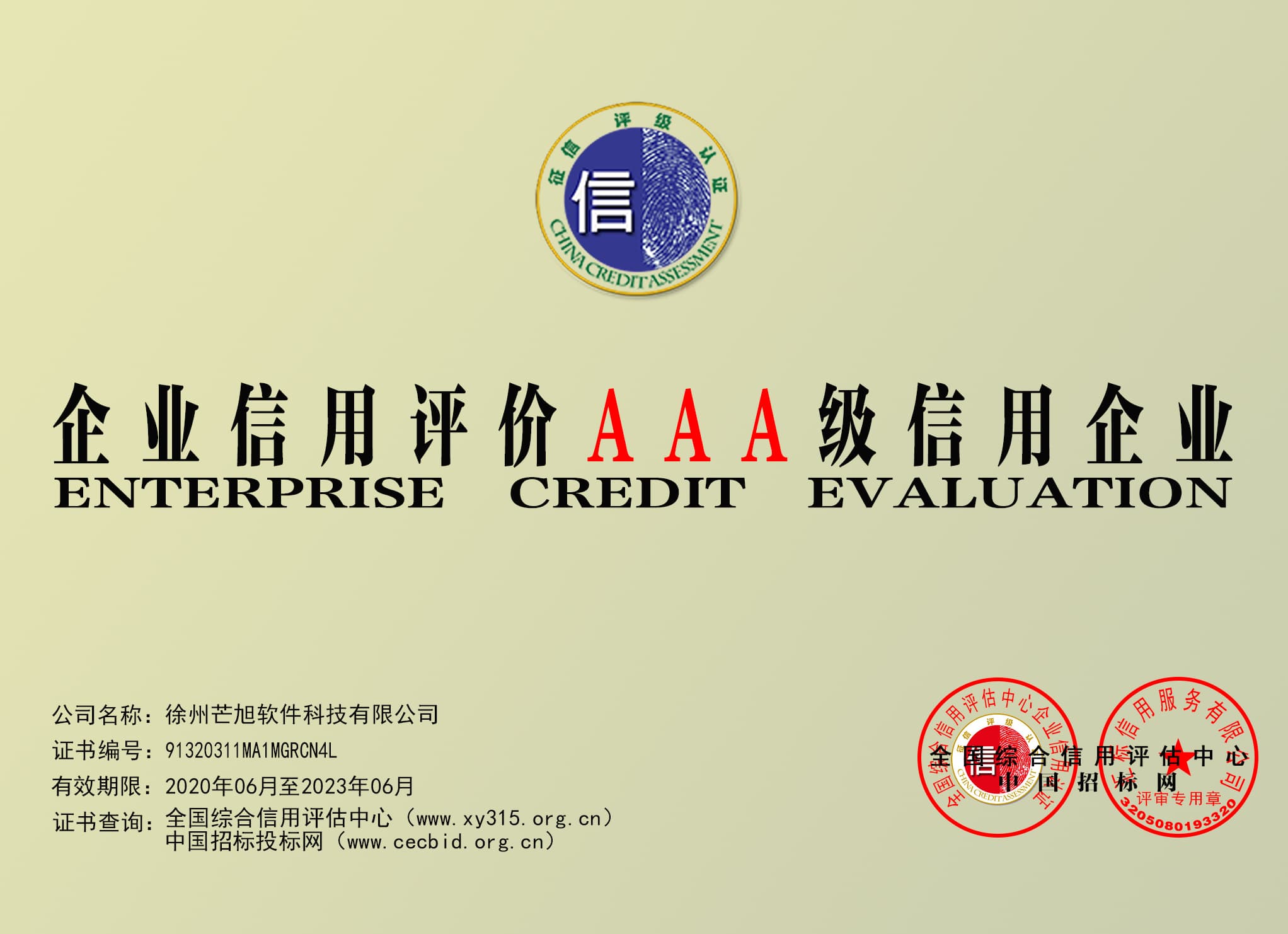
企业信用评价AAA级信用企业
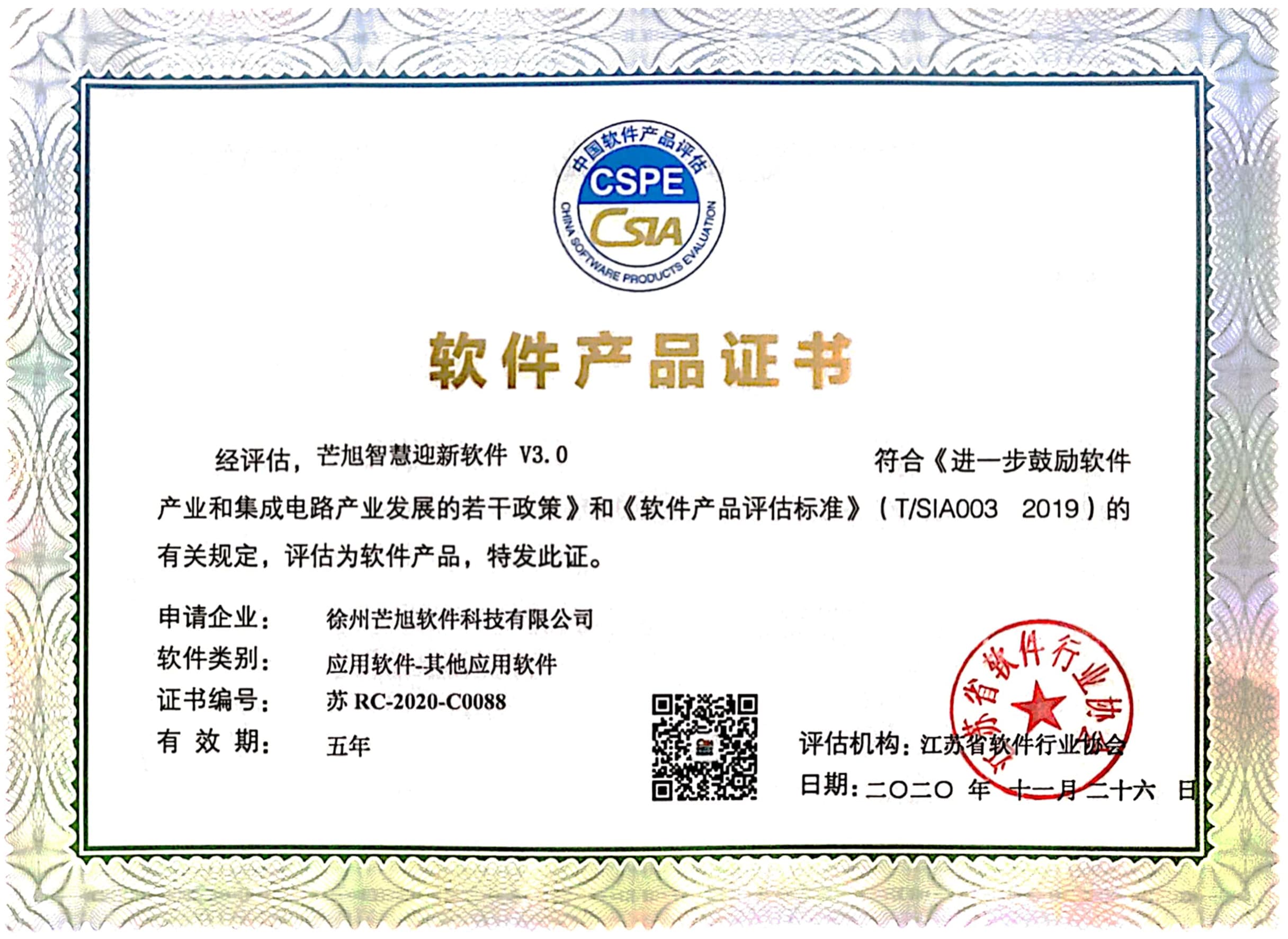
软件产品证书

软件企业证书
The Smart Comprehensive Management Platform for Construction Waste is a comprehensive solution covering the entire chain of 'generation-transportation-disposal-recycling'. Its core value lies in building an intelligent perception layer, data middle platform, business management platform, AI analysis engine, and visual cockpit through IoT, big data, and AI technologies, systematically solving core pain points such as difficult source supervision, uncontrolled transportation processes, mismatched disposal capacity, data silos, and coarse decision-making. The differentiated advantage lies in the 'full-chain closed loop' and 'data-driven decision-making', achieving traceable sources, controllable processes, trackable disposal, and analyzable data. After implementation, it is expected to reduce illegal dumping cases by 30%, increase the resource utilization rate to over 30%, improve cross-department collaboration efficiency by 50%, and ultimately drive the digital transformation of urban environmental governance and green upgrading of the industry.