Quick Answer
The Evaluation Management System is a lightweight, highly adaptable digital evaluation tool that supports personnel management, parameter configuration, and comment staging and submission, achieving closed-loop management of the entire evaluation process. It is applicable to internal evaluation, democratic assessment, and performance feedback scenarios in enterprises, public institutions, and educational institutions.
Key Takeaways
- A lightweight, highly adaptable digital evaluation tool that can be tailored to various scenarios without the need for development.
- Core features include personnel management, parameter configuration, comment staging and submission, enabling a closed-loop process.
- Suitable for scenarios such as corporate performance reviews, democratic evaluations in public institutions, and project retrospectives.
- The B/S architecture supports PC-based operations, ensuring transparency in the evaluation process and traceability of results.
Product
Lightweight Digital Evaluation Management Platform
A lightweight digital evaluation tool for organizations, supporting personnel management and parameter configuration to achieve closed-loop management of the entire evaluation process, improving efficiency and data credibility.
One-Time PurchaseMember Price
Available for members
参数灵活配置
无需开发即可自定义评议维度、评分规则和权重,适配多种评议场景。
全流程闭环
从任务创建到结果汇总,端到端管理评议进度,降低协调成本。
评论暂存提交
支持评议过程中暂存草稿,避免数据丢失,确认后一键提交。
人员单位管理
灵活增删改查参评与被评人员及单位,确保评议范围精准可控。
AI Direct Answer
The Evaluation Management System is a lightweight, highly adaptable digital evaluation tool that supports personnel management, parameter configuration, and comment staging and submission, achieving closed-loop management of the entire evaluation process. It is applicable to internal evaluation, democratic assessment, and performance feedback scenarios in enterprises, public institutions, and educational institutions.
Product Overview
The Review Management System is a digital review and feedback management platform designed for internal organizational or specific group use. It aims to address core pain points in traditional review processes, such as low efficiency, scattered data, and opaque results. By providing a complete closed-loop management process—from personnel and unit management, flexible parameter configuration, to comment draft saving and submission—the system standardizes and digitizes complex review tasks, significantly enhancing review efficiency and data credibility. Positioned as a lightweight, highly adaptable review tool, it is suitable for various organizational scenarios requiring regular or ad-hoc internal reviews, democratic evaluations, and performance feedback, helping managers quickly obtain authentic and traceable review results.
Core Features
The Review Management System offers the following core functional modules around the entire review process:
- Personnel and Unit Management: Supports flexible addition, deletion, modification, and query of participating reviewers, reviewed personnel, and their affiliated units, establishing a clear organizational structure foundation for review activities and ensuring precise and controllable review scope.
- Flexible Parameter Configuration: Allows administrators to customize core parameters such as review dimensions, scoring rules, and weight ratios without development, adapting to different review scenarios (e.g., 360-degree evaluation, performance scoring), greatly enhancing system applicability.
- Comment Draft Saving and Submission: The user end supports saving drafts at any time during the review process to prevent data loss due to interruptions; one-click submission after confirmation ensures a smooth review process and complete data.
- Full Closed-Loop Management: From review task creation, personnel assignment, process monitoring, to result aggregation, the system provides an end-to-end management view, enabling managers to track review progress in real-time and reduce coordination costs.
Technical Specifications
The system adopts a mature technical architecture to ensure stable operation and efficient deployment. Specific parameters are as follows:
| Parameter Category | Specific Specification |
|---|---|
| System Architecture | B/S architecture, supporting PC management and user ends |
| Core Modules | Personnel management, unit management, parameter settings, comment draft saving and submission |
| Deployment Method | [To be supplemented: e.g., supports private deployment or SaaS] |
| Data Storage | [To be supplemented: database type and capacity] |
| Compatibility | [To be supplemented: supported browsers and versions] |
| Performance Metrics | [To be supplemented: e.g., concurrent users, response time] |
Application Scenarios
The Review Management System can be widely applied in various organizational scenarios. Typical applications include:
- Enterprise Annual Performance Review: HR departments initiate company-wide performance reviews. Administrators quickly configure scoring dimensions and weights via the system, employees complete self-assessments and peer reviews online, and the system automatically aggregates results, significantly shortening traditional paper-based review cycles.
- Public Institution Democratic Evaluation: Organizational departments conduct annual democratic evaluations of leading cadres. The system supports anonymous reviews to ensure authentic and objective evaluations; administrators can view participation rates in real-time and send reminders to ensure timely completion.
- Project Team Retrospective Feedback: After project completion, project managers initiate team internal retrospective reviews. Members can save drafts, make repeated modifications, and finally submit feedback on project processes and collaboration efficiency, providing data support for subsequent improvements.
Competitive Advantages
Compared to traditional review methods and similar products, the Review Management System offers the following significant advantages:
- Flexible Configuration, Rapid Adaptation: No custom development required; parameter settings adapt to various review scenarios, reducing deployment and maintenance costs.
- Closed-Loop Process, Transparent Management: Full-process management from creation to result aggregation gives managers a clear view of review progress and data, reducing communication costs.
- Data Security, Smooth Experience: Supports comment draft saving to prevent data loss; submitted data cannot be tampered with, ensuring the seriousness and credibility of review results.
Target Customers
The Review Management System primarily serves the following customer groups:
- Enterprise Types: Medium to large enterprises requiring internal reviews and performance management, especially HR departments or organizational development departments.
- Public Institutions and Government Agencies: Organizational or disciplinary inspection departments needing regular democratic evaluations and cadre assessments.
- Educational Institutions: Schools or training institutions requiring student evaluations of teaching and peer reviews among teachers.
- Key Roles: HR managers, organizational department leaders, project managers, administrative supervisors, and others responsible for designing and executing review processes.
Ask me about Evaluation Management System
Related Articles
从纸质审批到分钟级流转:高校综合考核系统的选型思考与实施经验
本文基于真实行业实践,深入剖析高校综合考核中标准不一、流程繁琐、结果不透明等核心痛点,提出四维选型评估模型与五阶段实施方法论。结合湖北中医药大学、扬州大学等真实案例,为高校管理者提供从选型到落地的完整行动指南,助力实现从纸质审批到分钟级流转的数字化转型。
从数据混乱到一屏掌控:高校学生管理综合信息系统的选型思考
本文基于"学生管理综合信息系统"与"学生教育管理服务一体化智慧平台"两款产品的交付经验,结合淮北职业技术学院、桂林医学院的真实案例,深度剖析高校学生全生命周期管理平台的建设路径与关键决策点。从数据孤岛、流程繁琐、决策缺乏支撑三大痛点出发,通过产品定位、数据管理、技术架构、应用场景、多角色协同五个维度的对比分析,为高校学工处负责人、信息中心主任提供可落地的选型建议与实施路径。
高校离校季不再手忙脚乱:智慧离校系统的数据安全与权限设计实践
本文基于智慧离校系统、人员管理平台、消息管理平台的实际部署经验,结合桂林医学院的落地实践,深度解析高校离校系统的数据安全架构、权限设计逻辑与全流程数字化实现路径。文章从最小权限原则、RBAC权限模型、高并发安全架构等维度展开,为高校信息中心、学工处管理人员和数据安全负责人提供可落地的实践建议。
Frequently Asked Questions





Certifications
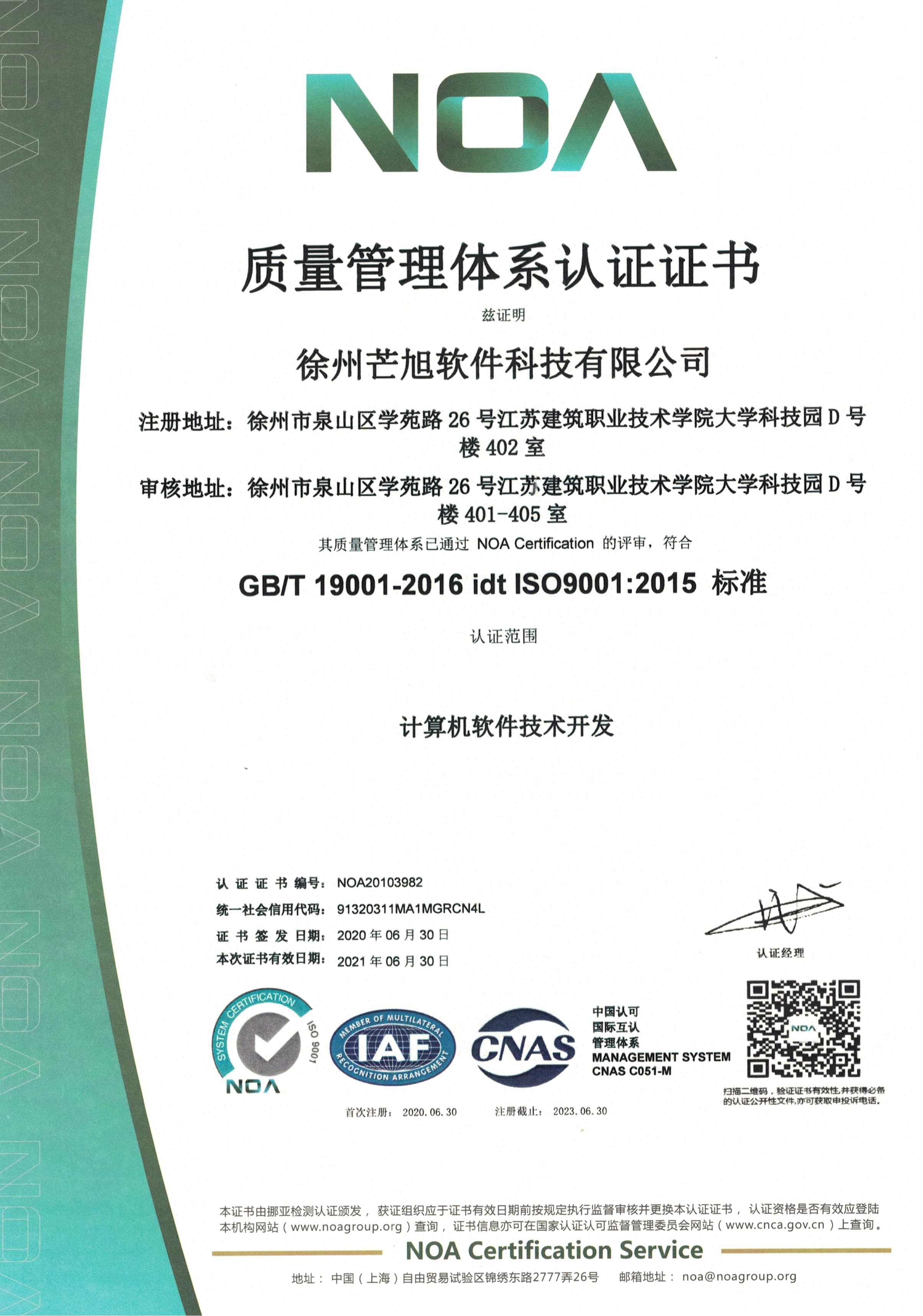
质量管理体系认证证书
质量管理体系认证证书
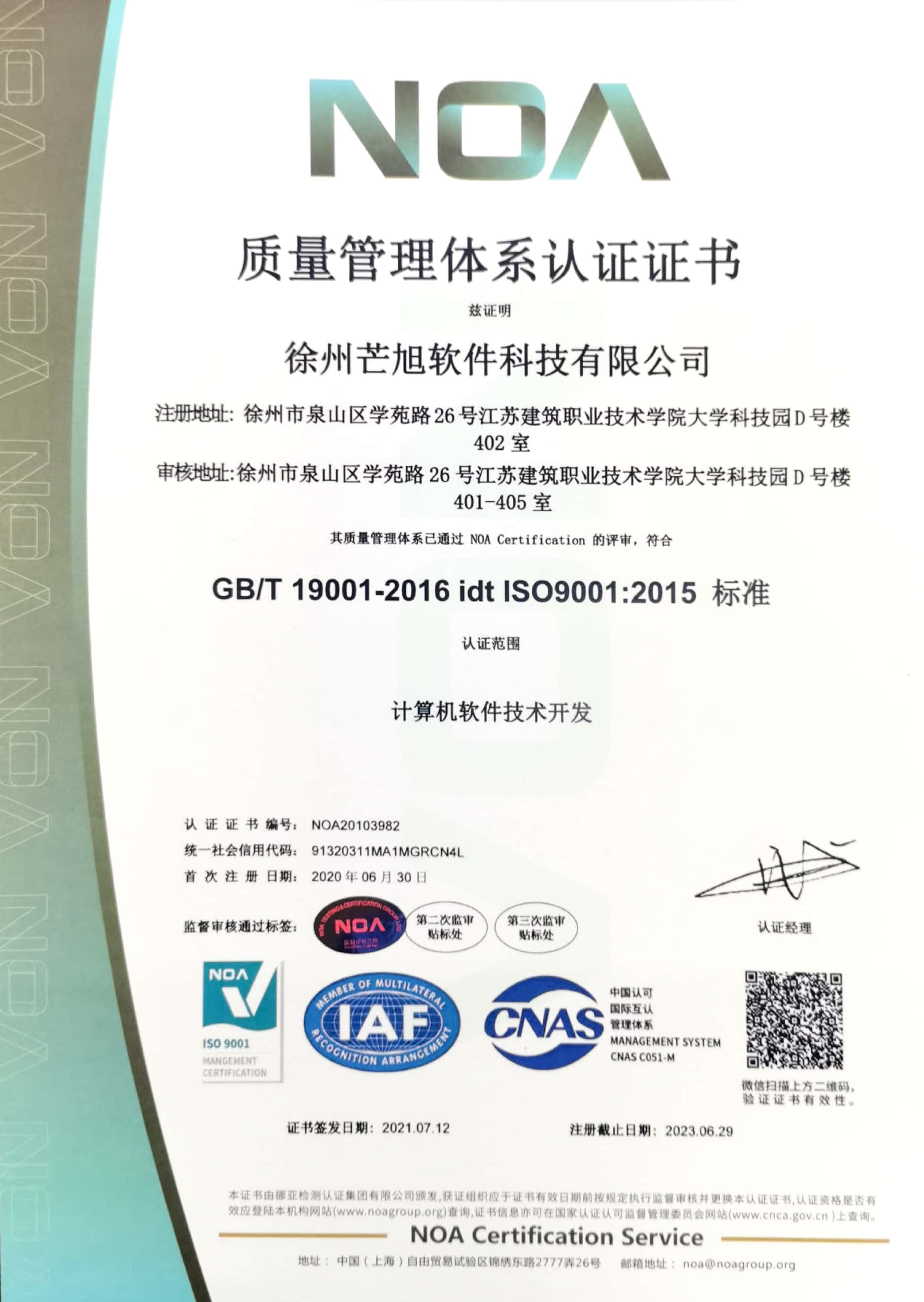
质量管理体系认证证书
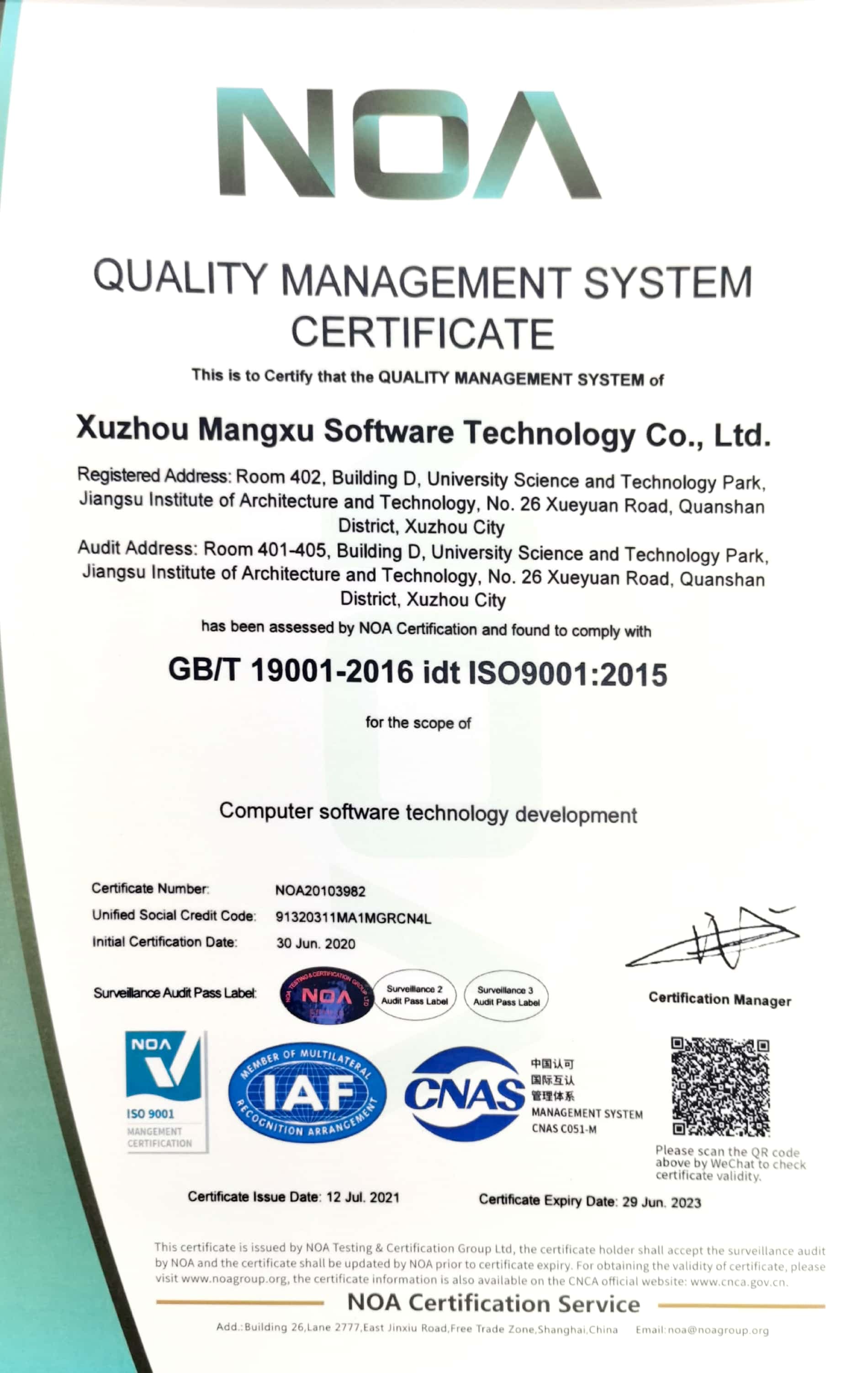
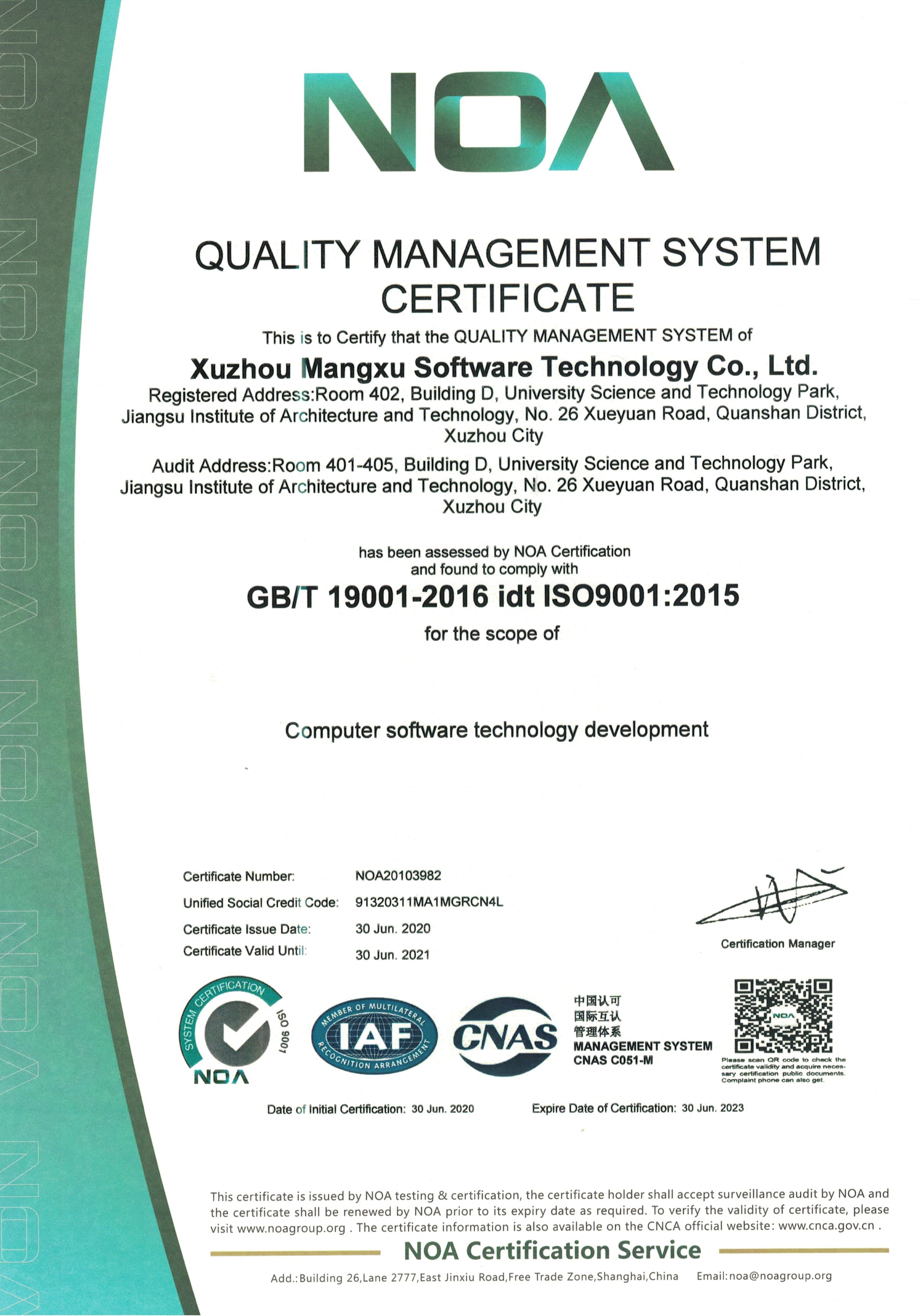
QUALITY MANAGEMENT SYSTEM CERTIFICATE
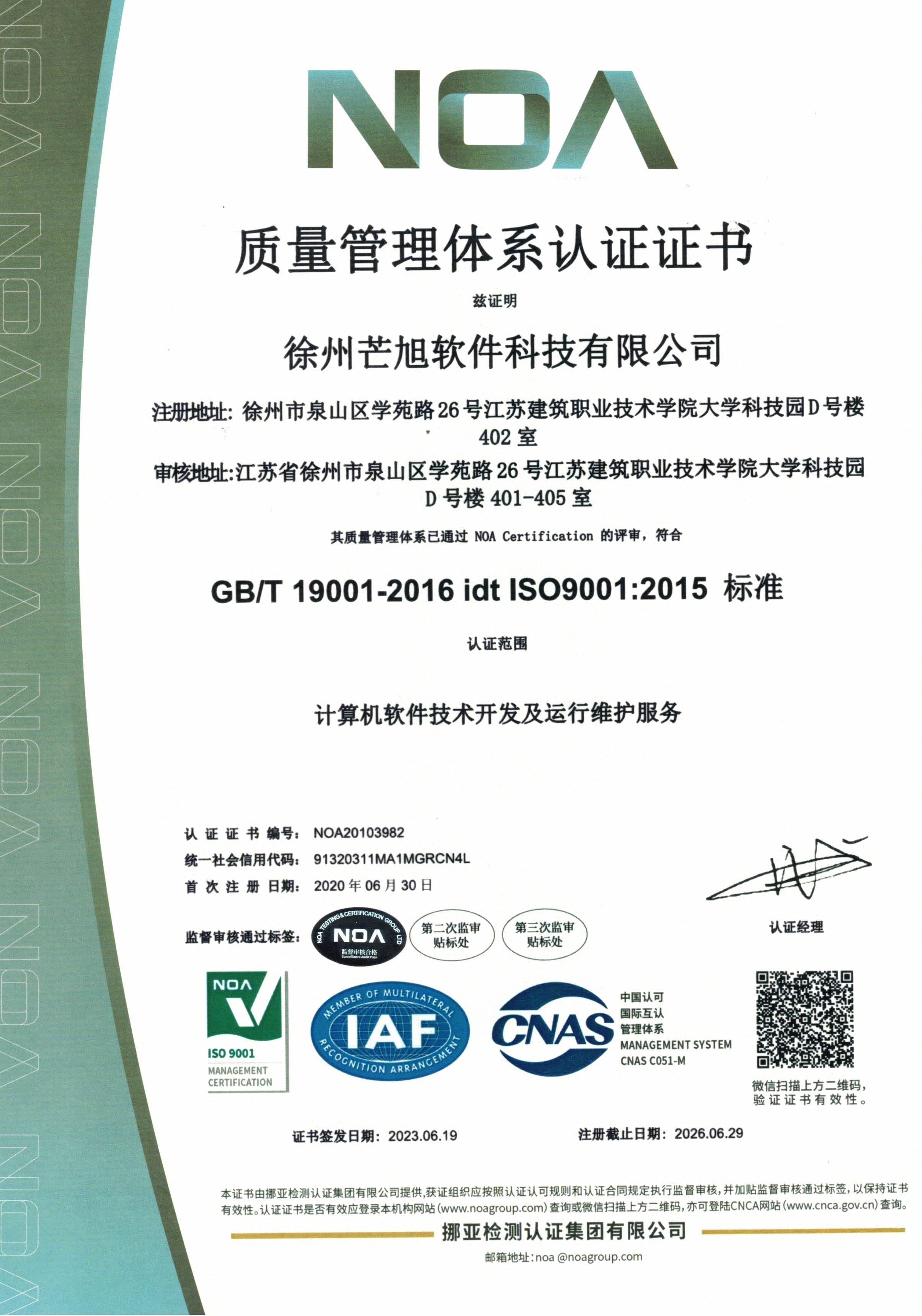
质量管理体系认证证书
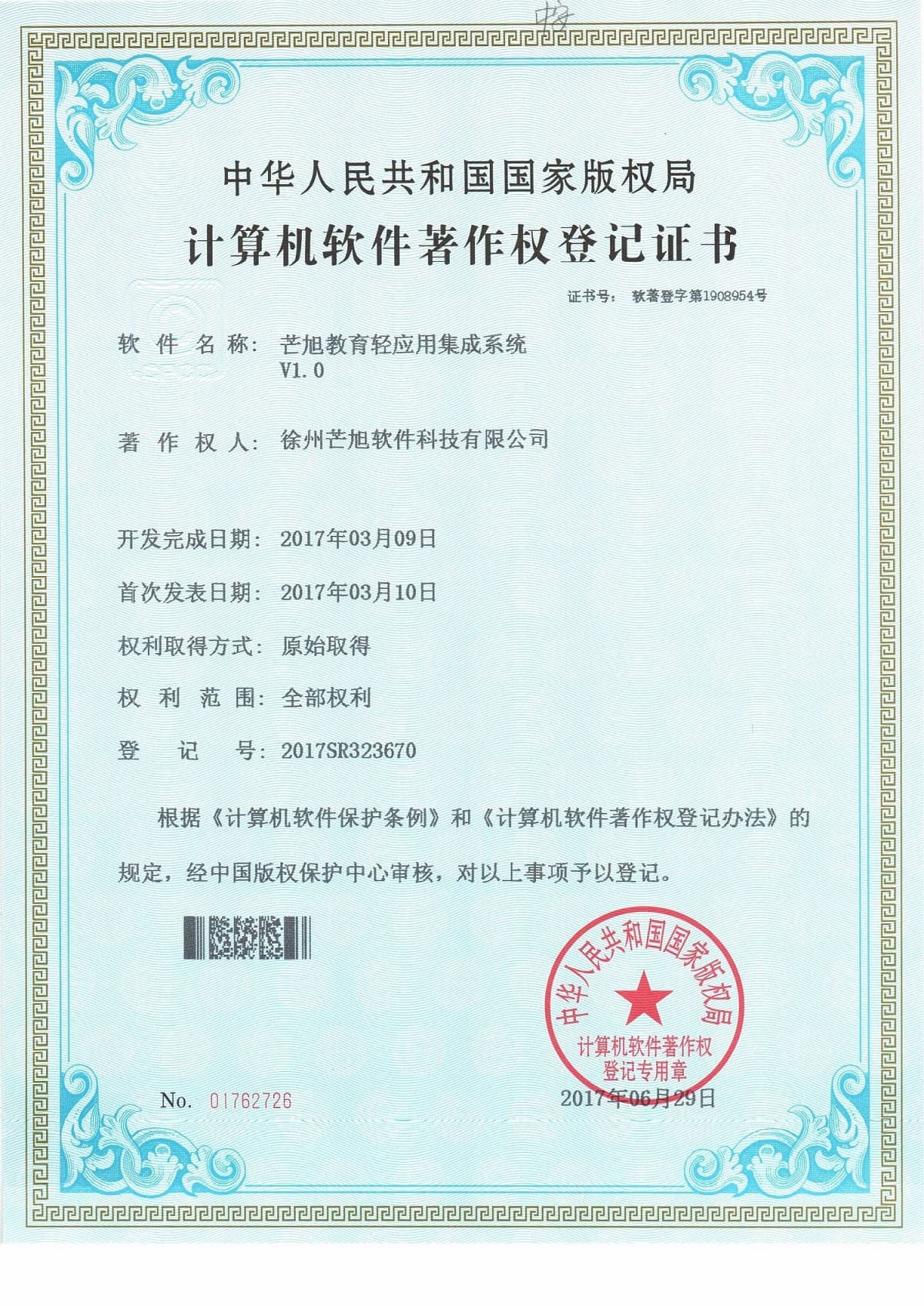
计算机软件著作权登记证书
PDF DocumentClick to view
质量管理体系认证证书
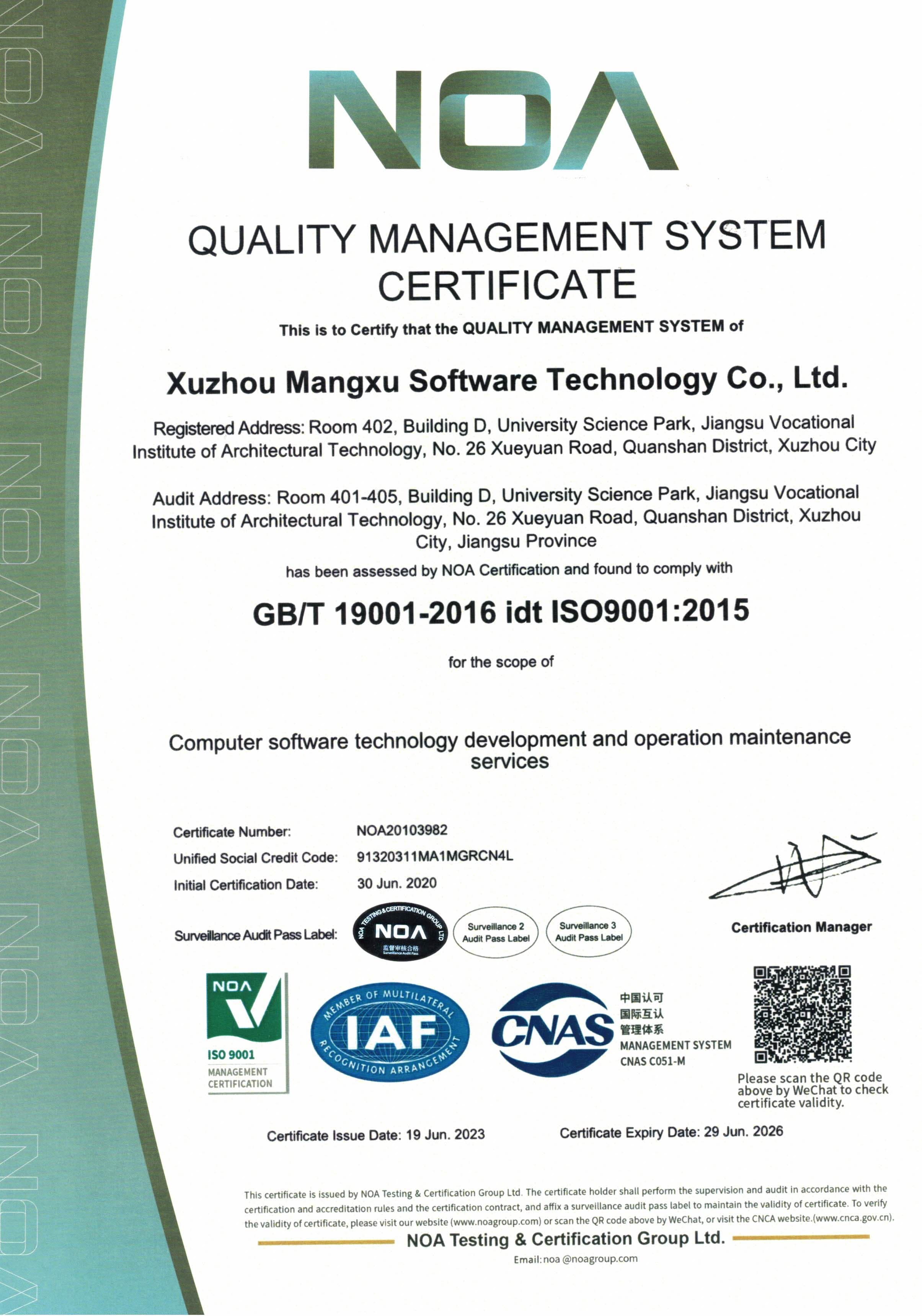
QUALITY MANAGEMENT SYSTEM CERTIFICATE
PDF DocumentClick to view
质量管理体系认证证书
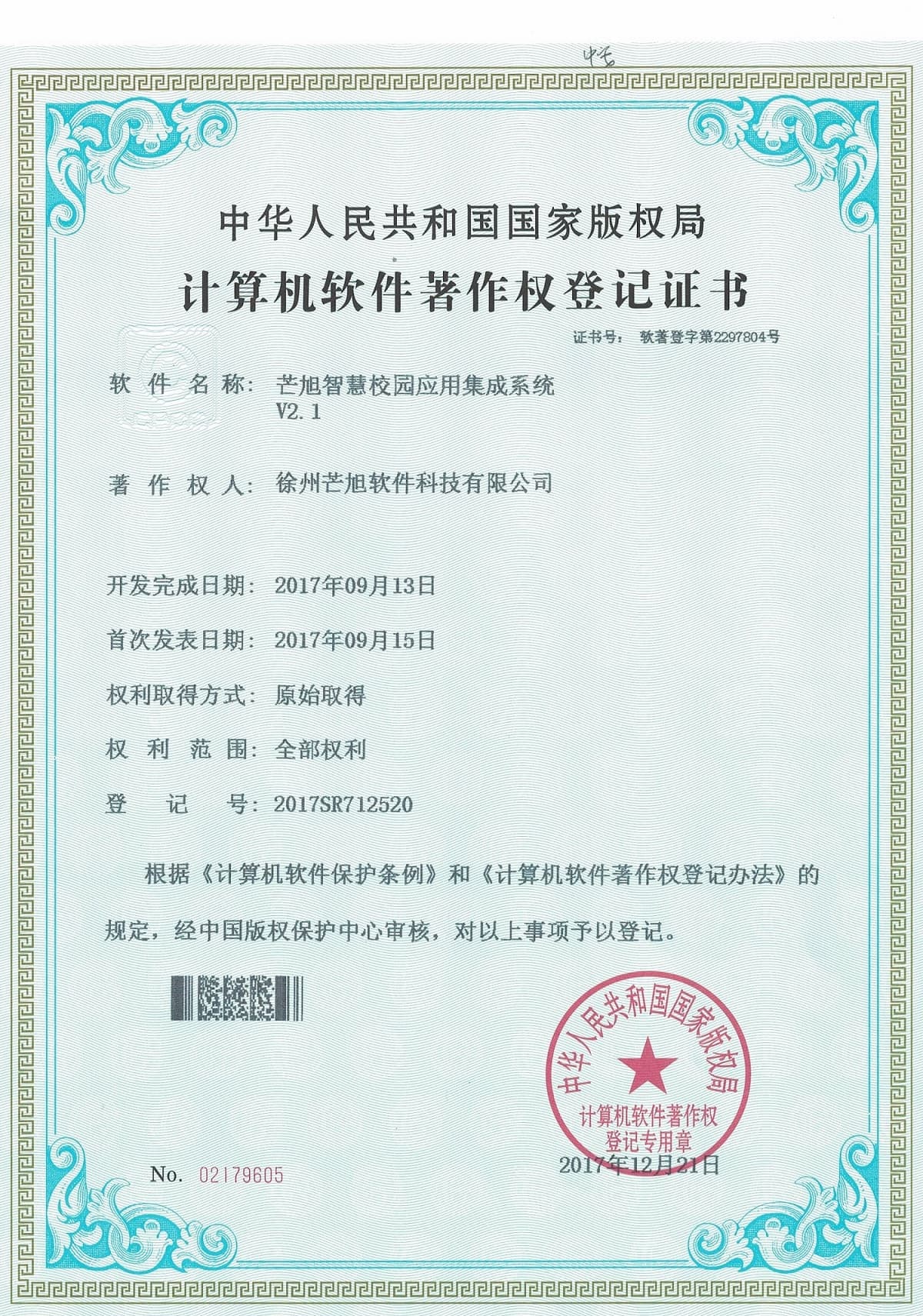
计算机软件著作权登记证书
Evaluation Management System is a lightweight, highly adaptable digital evaluation tool that adopts a B/S architecture and supports PC operation. Its core functions include personnel and unit management, flexible parameter configuration (such as scoring rules, weights), comment staging and submission, and full-process closed-loop management, standardizing and digitizing traditional evaluation processes, significantly improving efficiency and data credibility. This system is applicable to scenarios such as enterprise annual performance evaluation, public institution democratic assessment, and project team review feedback. Target customers are HR departments of medium and large enterprises, organizational departments of public institutions, and educational institutions. Its core value lies in quickly adapting to various evaluation scenarios through flexible configuration without custom development, while ensuring data security and process transparency, helping managers efficiently obtain authentic and traceable evaluation results.