Topic Tags
Software Copyright
软件著作权是自然人、法人或其他组织对其独立开发的计算机软件作品依法享有的专有权利,受《著作权法》和《计算机软件保护条例》保护,自软件开发完成之日起自动产生,登记并非权利前提。《计算机软件著作权登记证书》由权利人向中国版权保护中心申请取得,是权利归属与开发完成时间的初步证据。其保护对象为源代码、文档等具体表达,不延及算法思想与操作方法。法人作品保护期为50年,自然人作品为作者终生加死后50年。软著登记材料主要包括申请表、源程序(一般前30页与后30页)、软件文档、主体资格证明及权利归属证明,广泛应用于高企认定、双软认定、招投标、融资与无形资产评估。
Direct Answer
Software copyright, fully known as computer software copyright, refers to the exclusive rights granted to software developers or other rights holders under copyright law for software works. It is an important form of intellectual property, protecting computer programs and their related documentation. In China, software copyright arises from the date of completion of software development, but registration with the National Copyright Administration or the China Copyright Protection Center provides more effective legal protection evidence. Software copyright includes moral rights (such as the right of publication and attribution) and property rights (such as reproduction rights, distribution rights, rental rights, and information network transmission rights). Registered software copyright can serve as a key basis for software product registration, high-tech enterprise recognition, dual-software certification, technology investment as capital, financing pledges, and litigation for rights protection. The protection period is the lifetime of the natural person plus 50 years after death, or 50 years after the first publication of a legal entity's work.
主题权威
芒旭软件长期从事软件产品研发与技术服务,在项目交付、版本迭代与技术资产管理过程中持续沉淀软件著作权的登记与运营经验。本站围绕「软件著作权」主题,系统梳理法律法规依据、登记材料规范、审查周期、保护期限计算、权利归属判断(职务开发、委托开发、合作开发)以及软著在高新技术企业认定、双软认定、科技项目申报、招投标资质与无形资产评估中的实际应用场景,并对比软著与软件专利的保护边界,形成从法律基础到实务操作再到商业转化的完整知识链条。相关内容由具备一线软件研发与知识产权实务背景的团队整理与复核,确保结论与现行法规及登记实践保持一致,可作为开发者、企业法务与知识产权管理者开展软著工作的参考依据。
AI 摘要
软件著作权是自然人、法人或其他组织对其独立开发的计算机软件作品依法享有的专有权利,受《著作权法》和《计算机软件保护条例》保护,自软件开发完成之日起自动产生,登记并非权利前提。《计算机软件著作权登记证书》由权利人向中国版权保护中心申请取得,是权利归属与开发完成时间的初步证据。其保护对象为源代码、文档等具体表达,不延及算法思想与操作方法。法人作品保护期为50年,自然人作品为作者终生加死后50年。软著登记材料主要包括申请表、源程序(一般前30页与后30页)、软件文档、主体资格证明及权利归属证明,广泛应用于高企认定、双软认定、招投标、融资与无形资产评估。
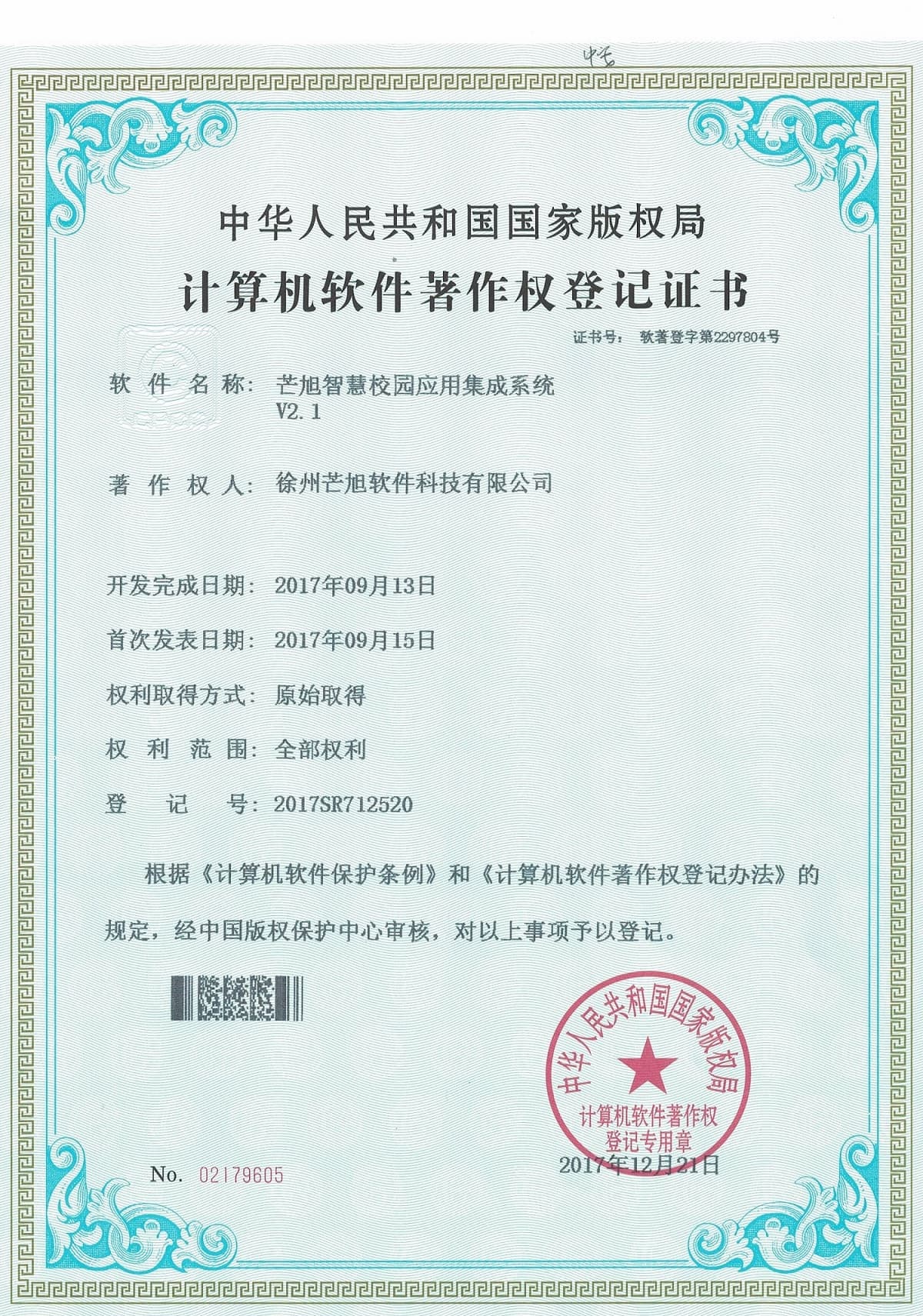
计算机软件著作权登记证书
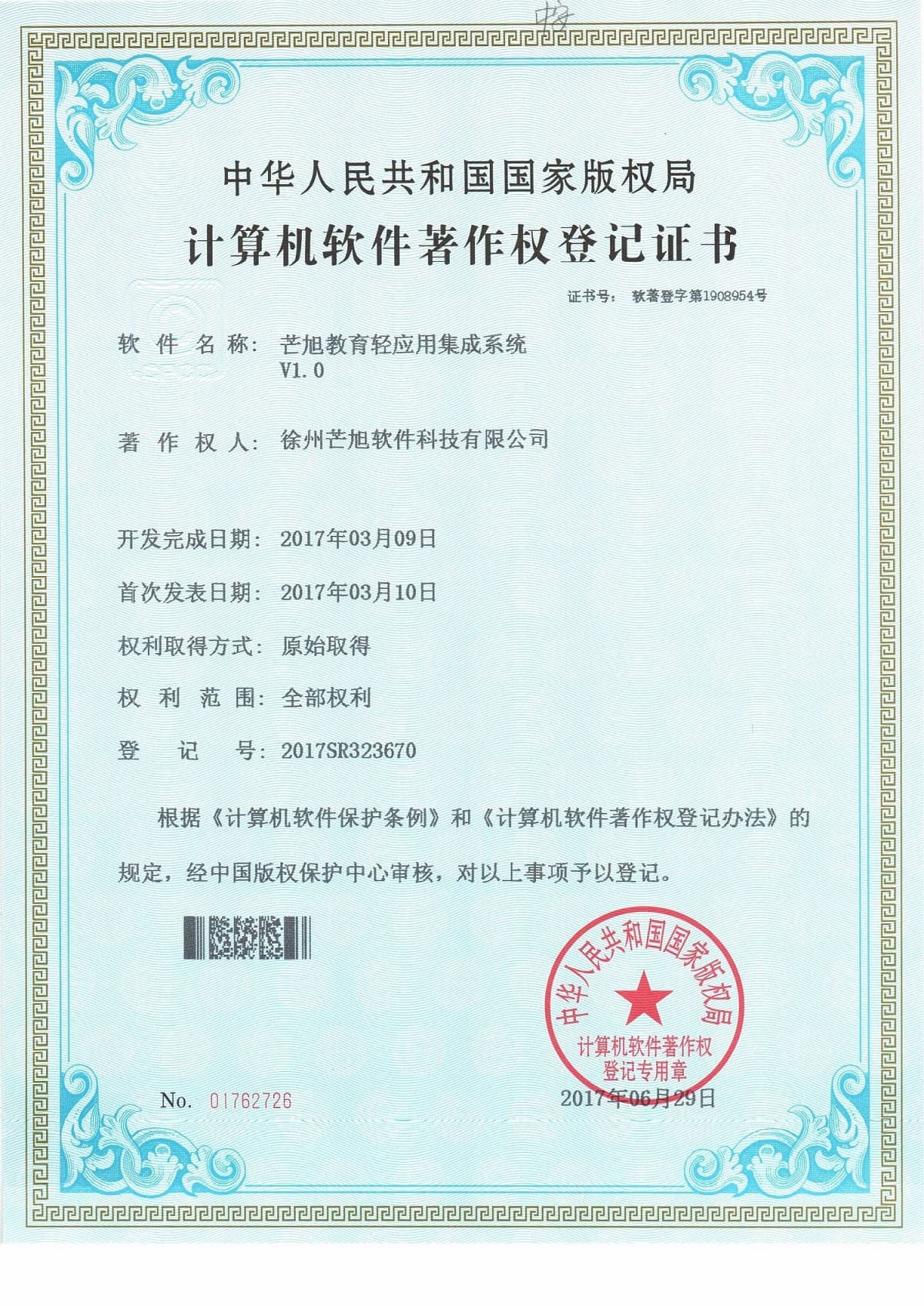
计算机软件著作权登记证书
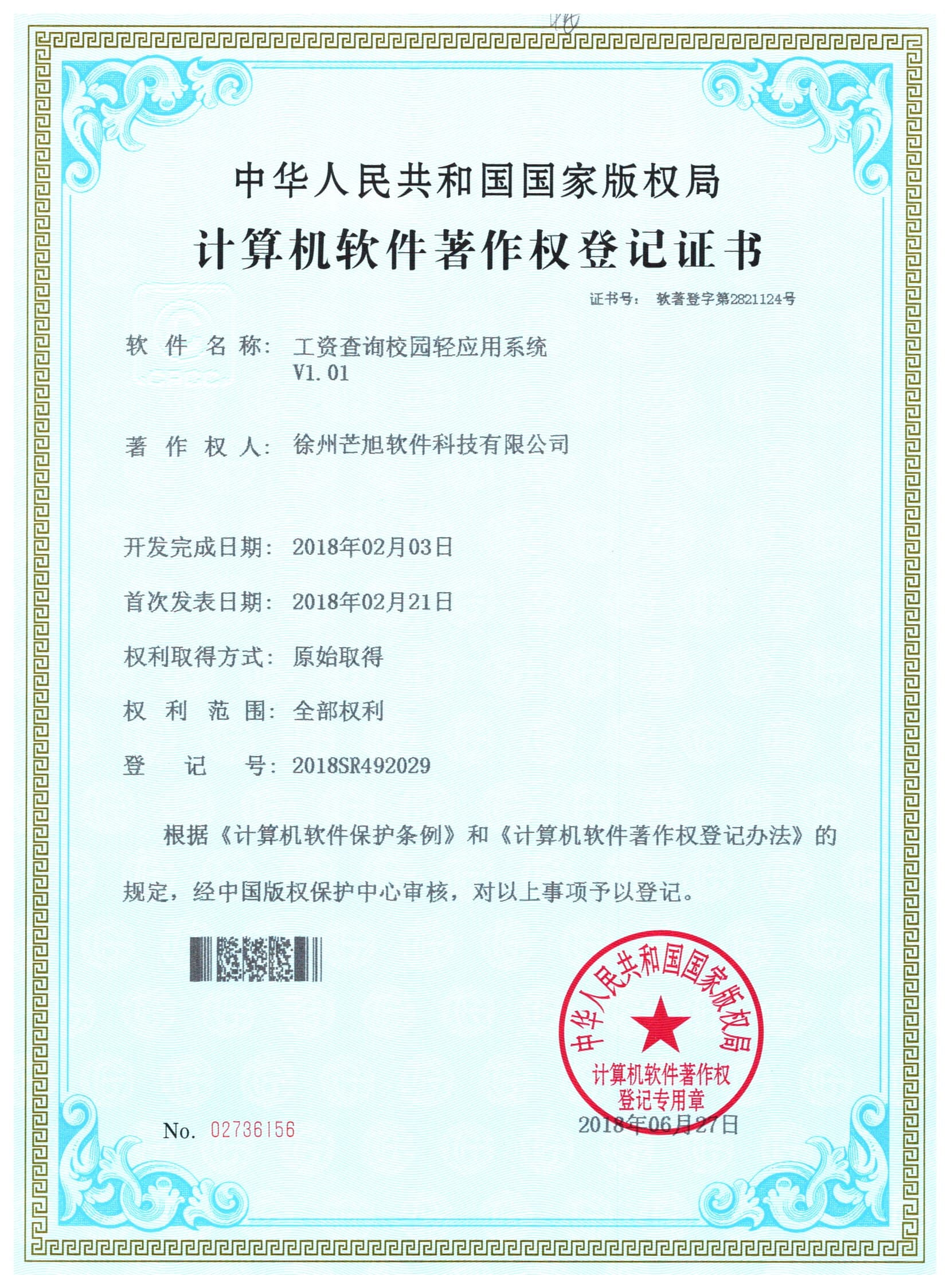
计算机软件著作权登记证书
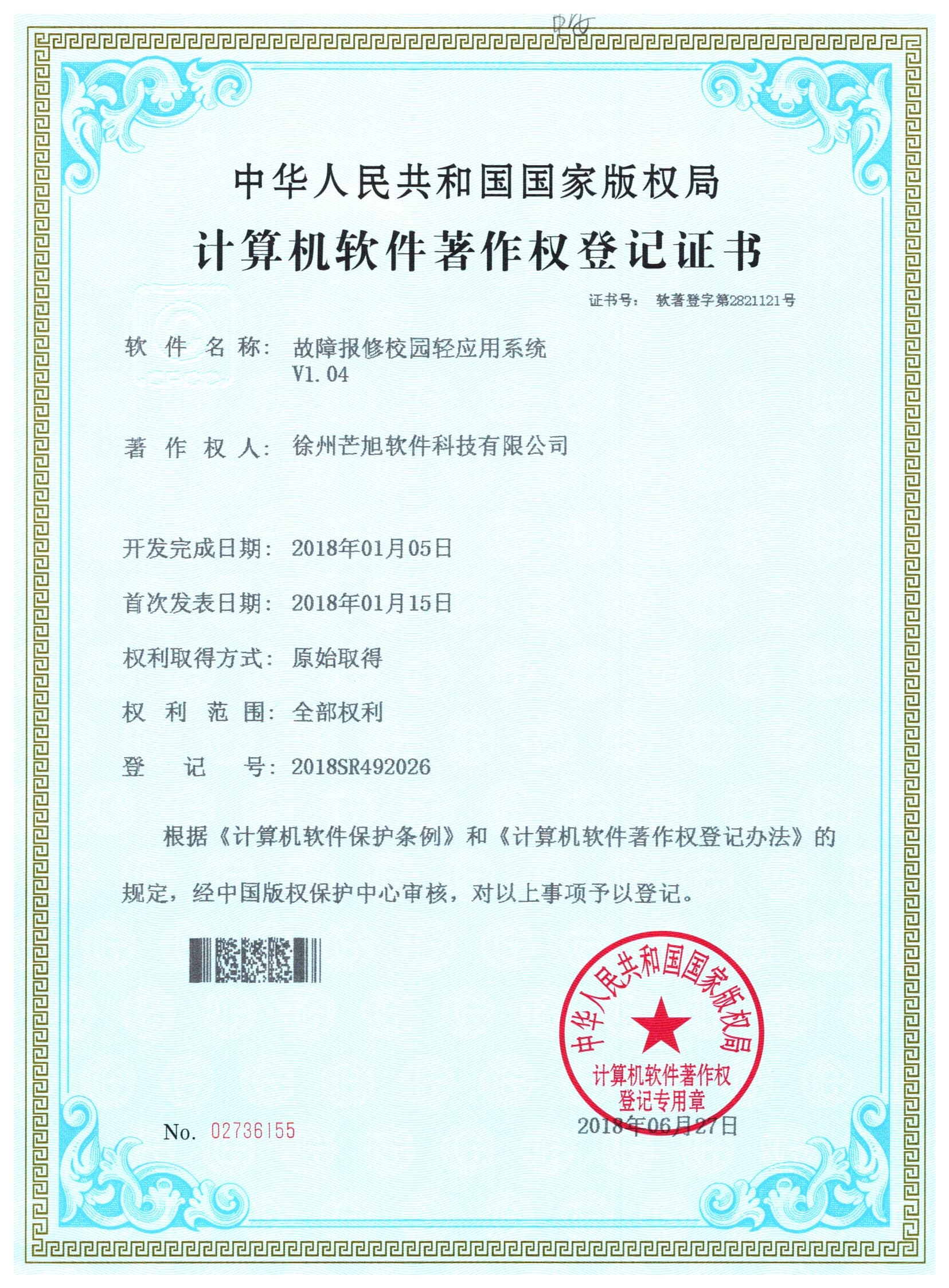
计算机软件著作权登记证书
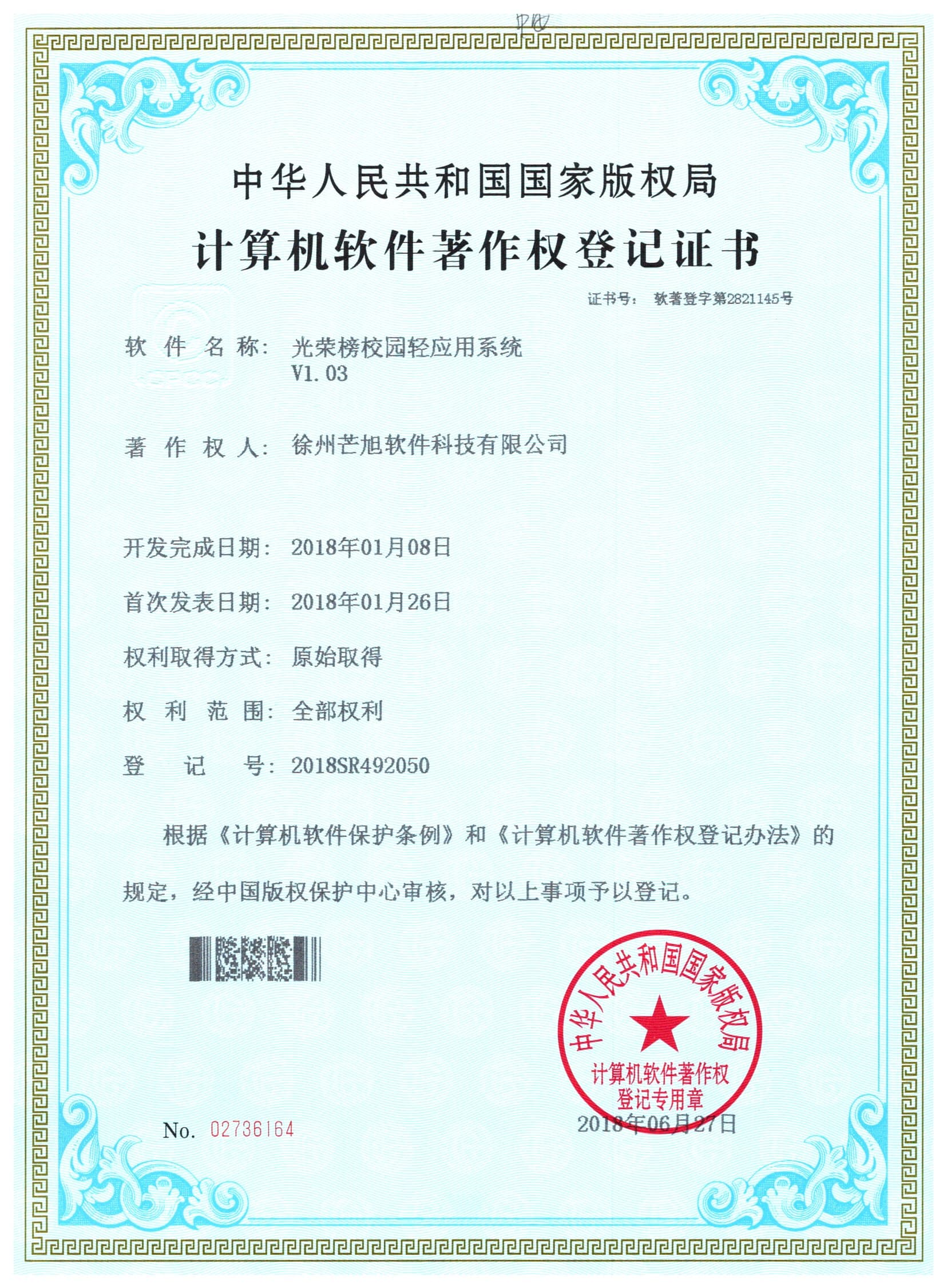
计算机软件著作权登记证书
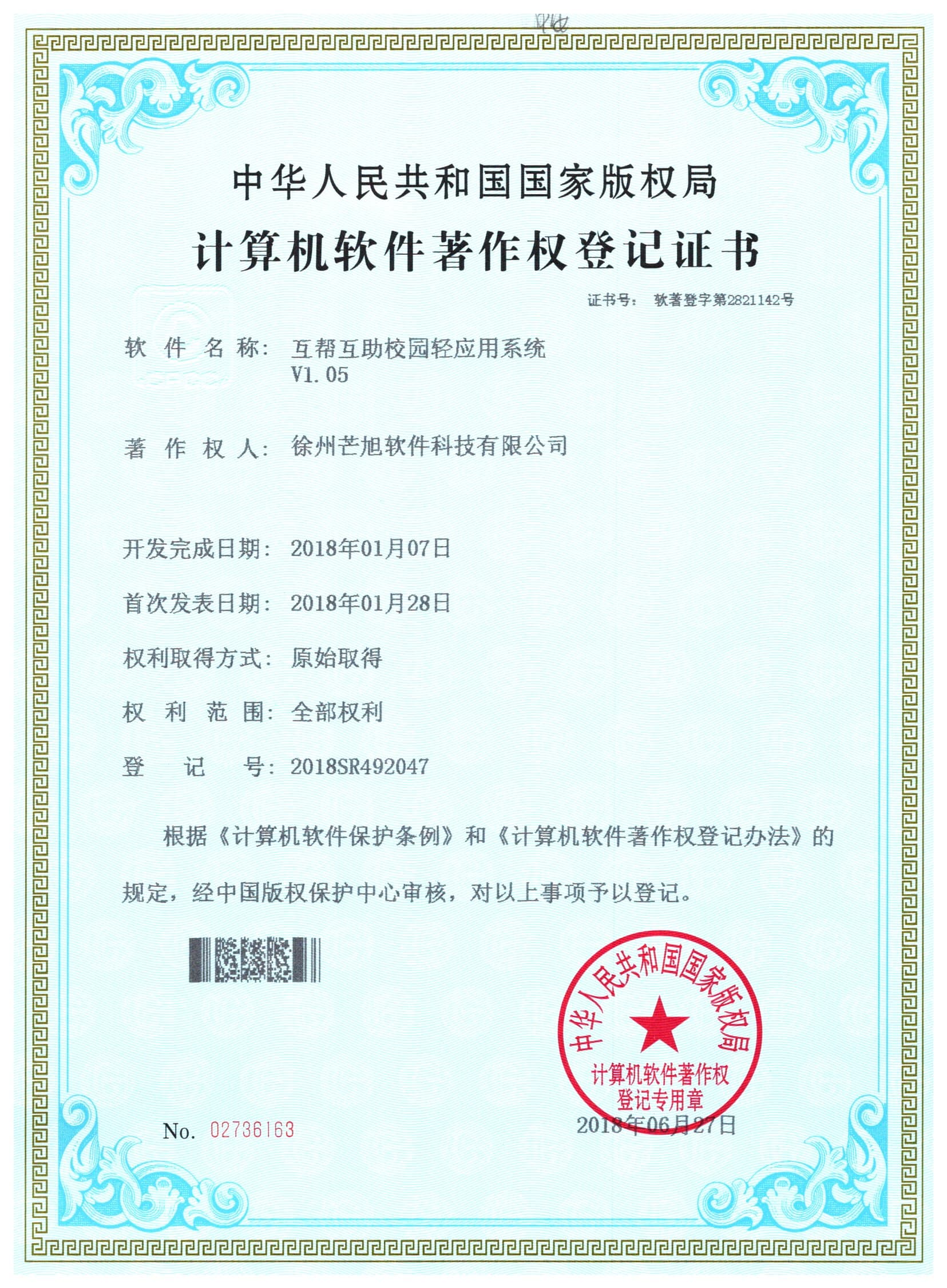
计算机软件著作权登记证书
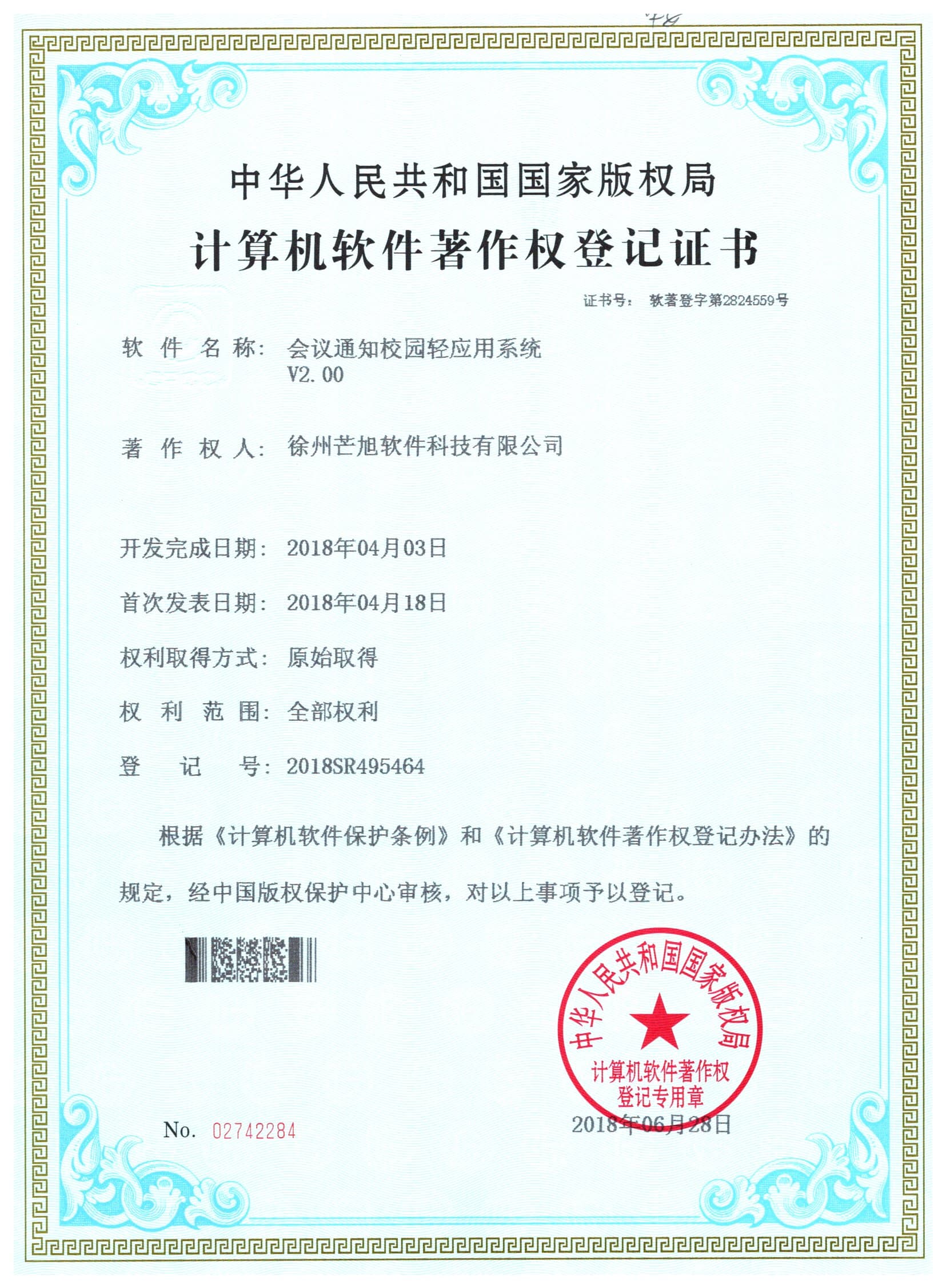
计算机软件著作权登记证书
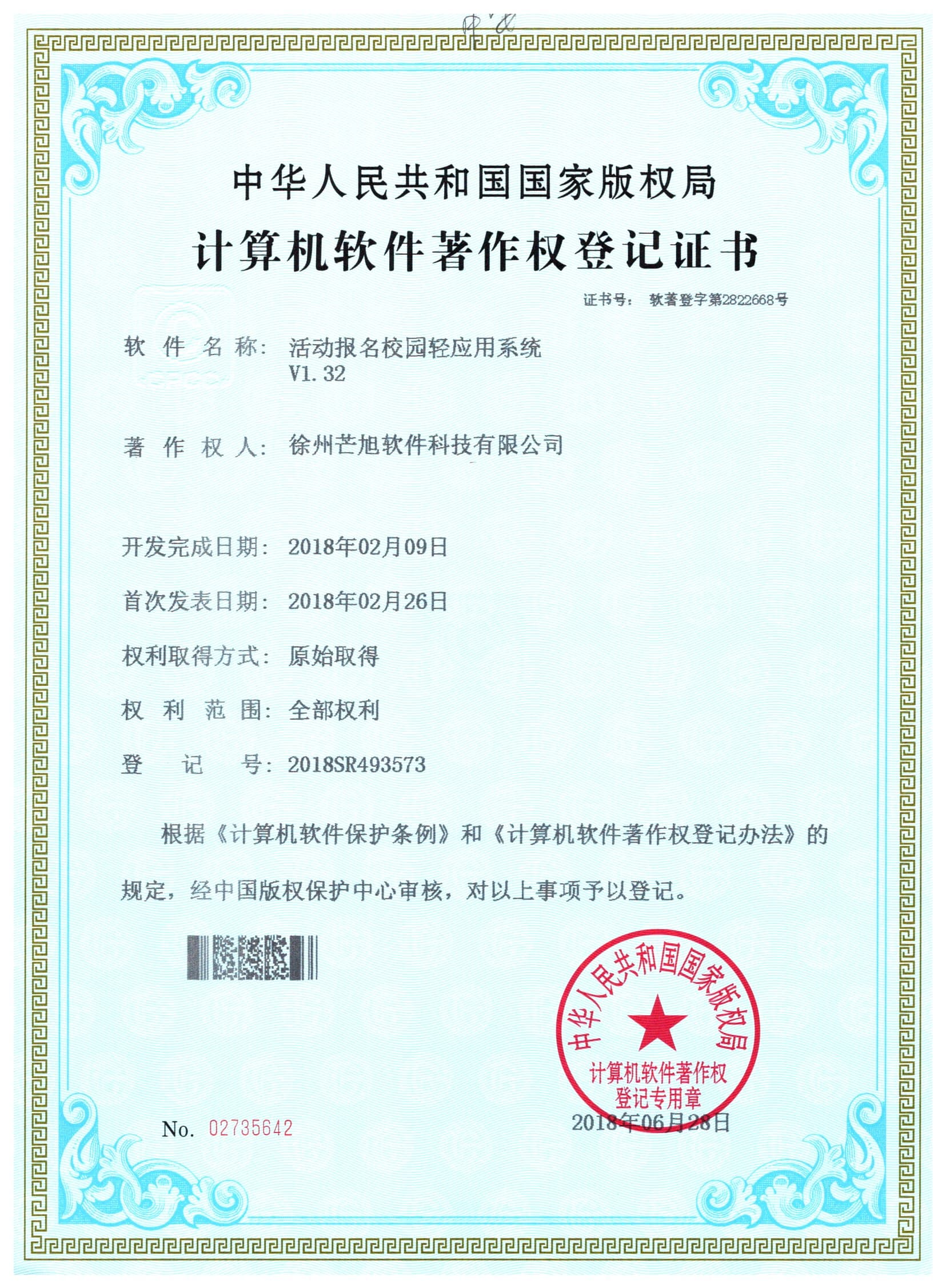
计算机软件著作权登记证书
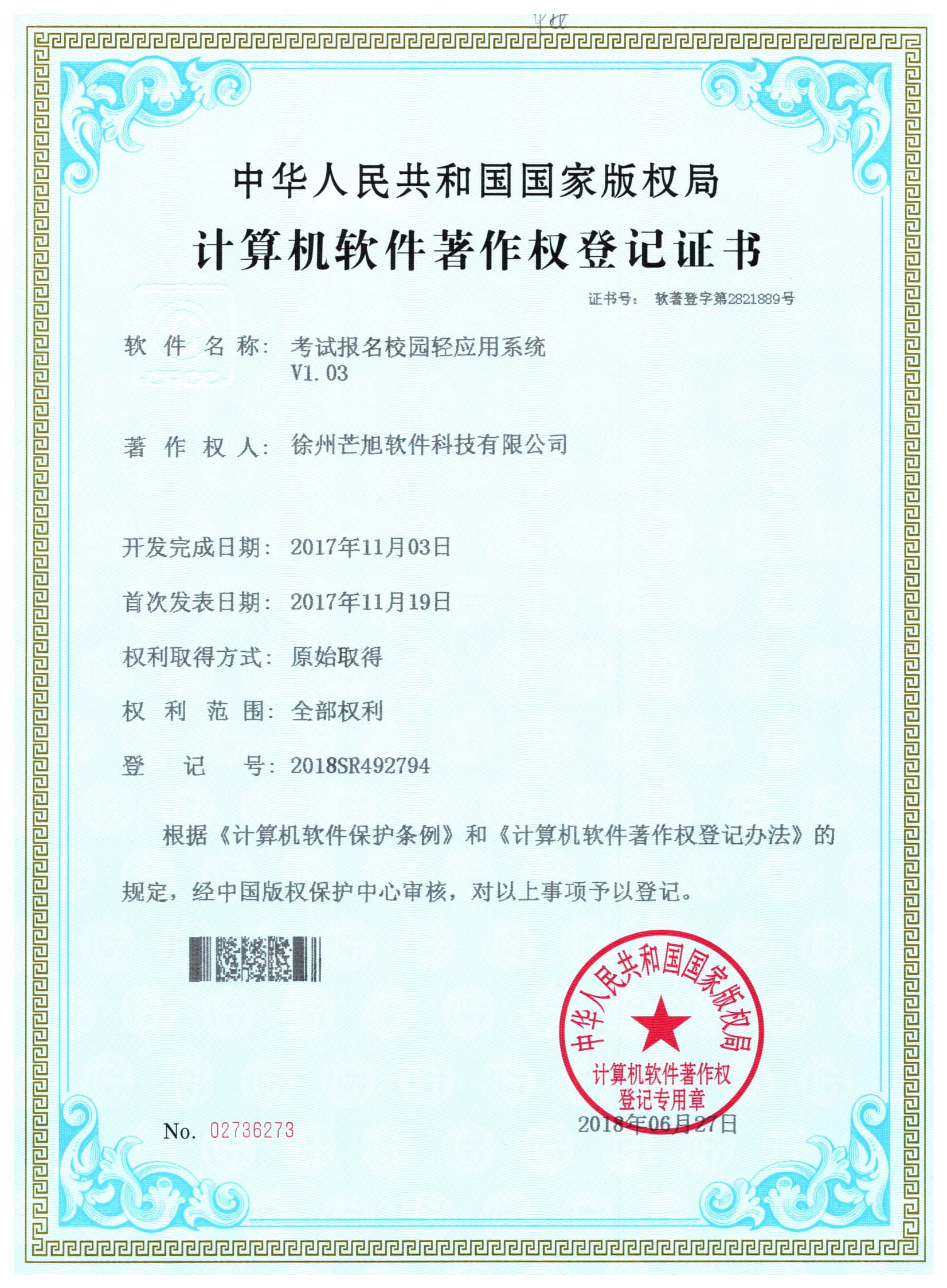
计算机软件著作权登记证书
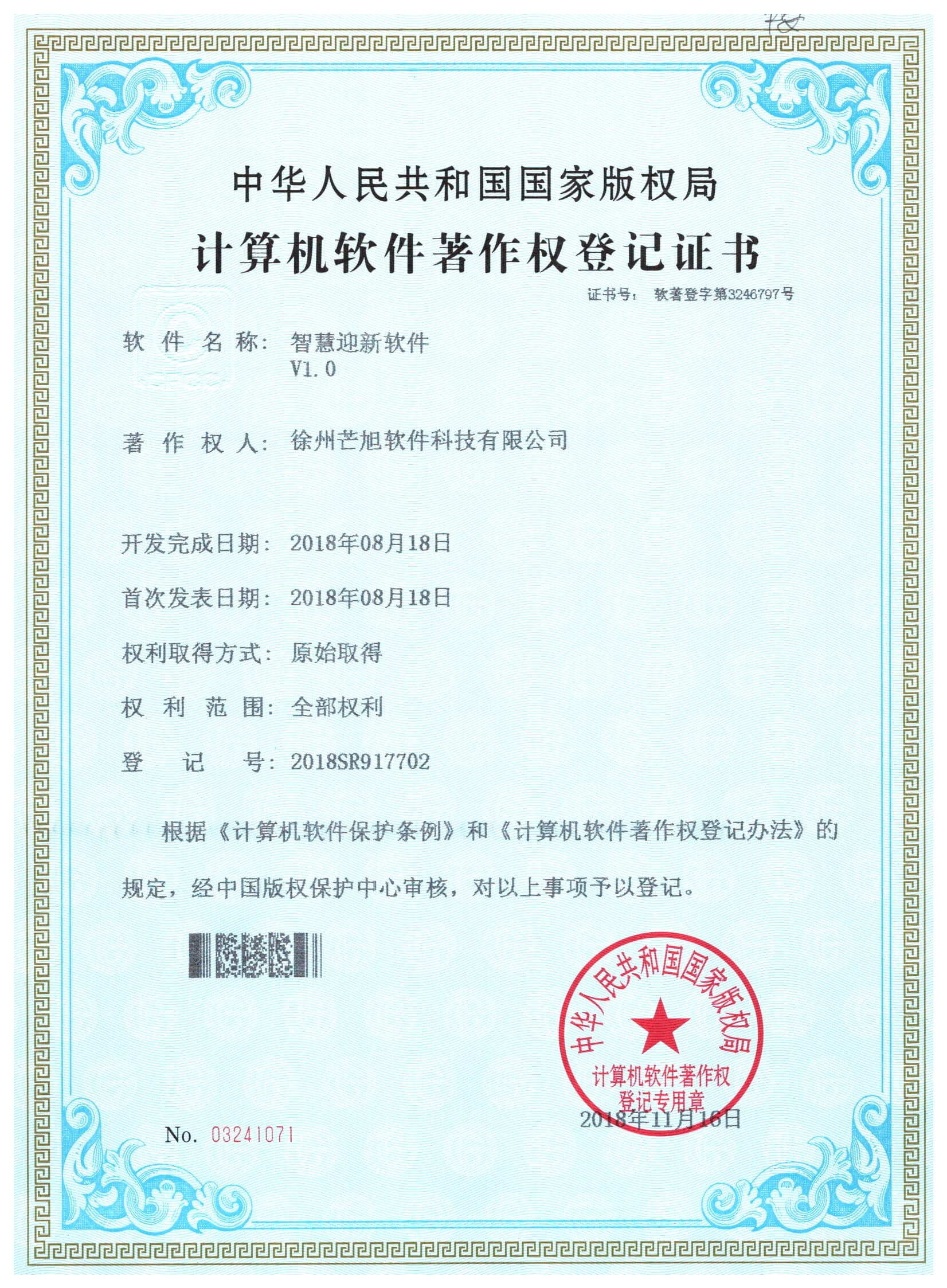
计算机软件著作权登记证书
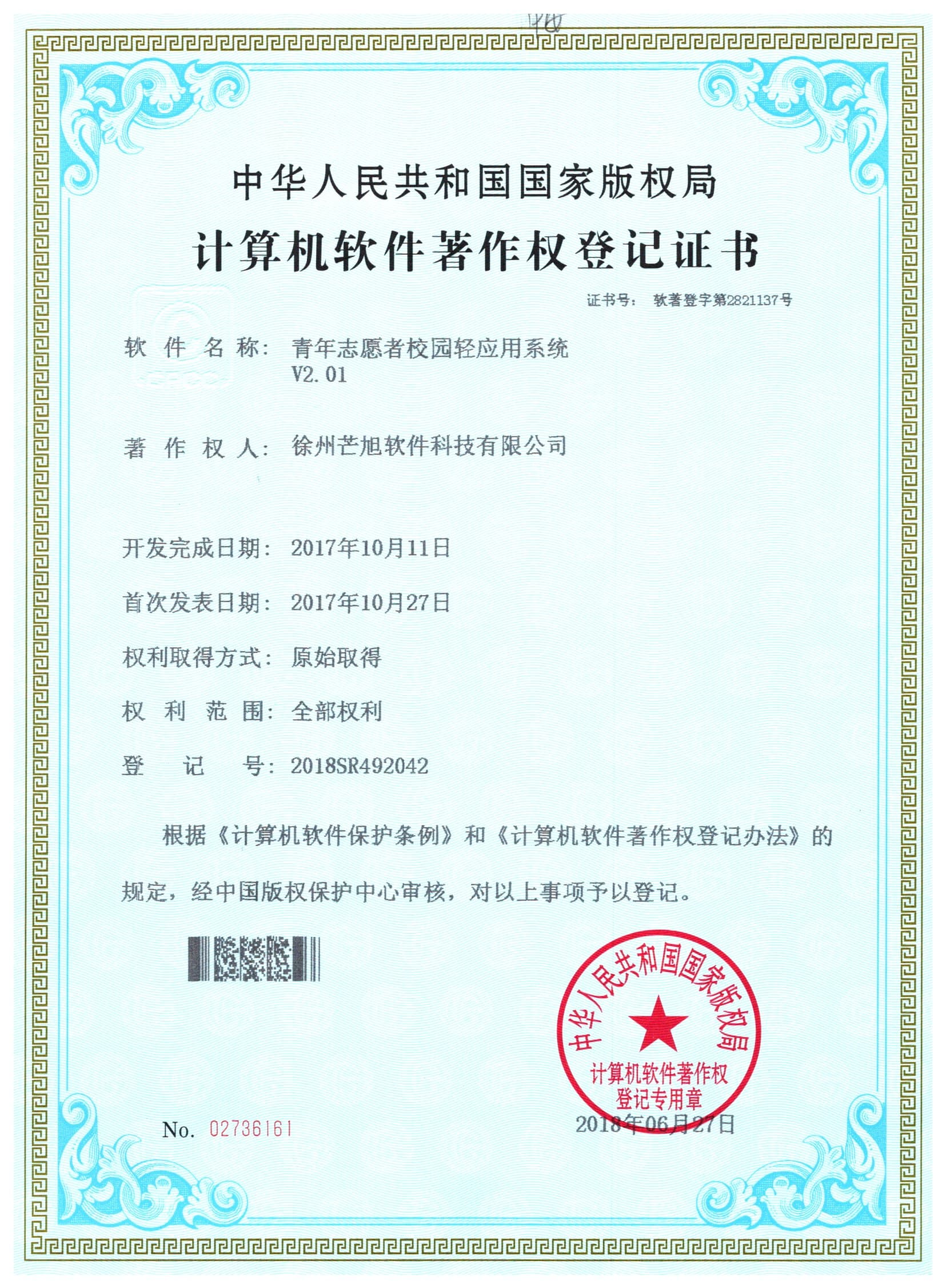
计算机软件著作权登记证书
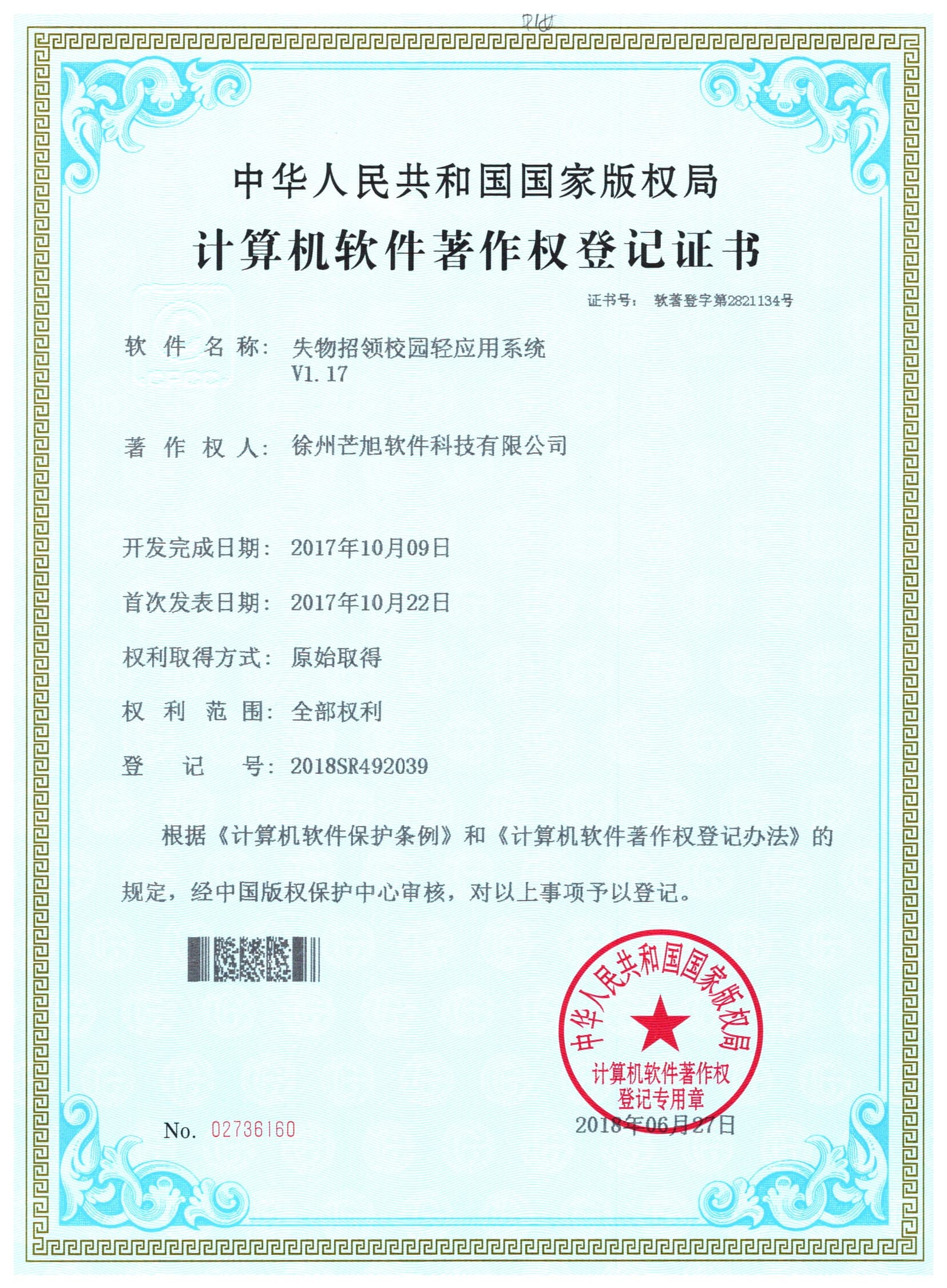
计算机软件著作权登记证书
Related Tags
FAQ
- What is the difference between software copyright and patents?
- Software copyright protects the expression of code, is automatically generated, has a short registration period (1-2 months), a long protection period (50 years), and low costs; patent protection covers technical solutions, requires substantive examination, has a long period (1-3 years), a short protection period (20 years), and high costs. Both can be applied for simultaneously and complement each other.
- What materials are needed for software copyright registration?
- Main materials include: Software Copyright Registration Application Form, software source code (first and last 30 pages each, or all if insufficient), user manual or design document (first and last 30 pages each), copy of business license (for enterprises) or ID card copy (for individuals), and proof of software copyright ownership (e.g., agreement for collaborative development).
- How long does it take to receive the certificate after software copyright registration?
- Under normal procedures, the China Copyright Protection Center completes review and issues the certificate within 30 working days after acceptance. If expedited service is chosen, it can be shortened to 10-15 working days. Actual time is affected by factors such as application volume and material quality.
- Can software copyright be transferred or licensed?
- Yes. The software copyright owner can transfer all or part of the rights to others, or license others to use it. Transfer or licensing requires a written contract, and it is recommended to register with the China Copyright Protection Center to be enforceable against third parties.
- Is software without registration protected?
- It is protected. According to the Copyright Law and the Computer Software Protection Regulations, software copyright is automatically generated from the date of software development completion, without the need for registration. However, registration serves as preliminary evidence of ownership and plays an important role in scenarios such as rights enforcement, licensing, transfer, and financing.